
The Windrose Journal
A Waldorf Blog
The Windrose Journal is a grounded, thoughtful space where stories, reflections, and insights from the Waldorf School of DuPage community come together—past, present, and future. Like a compass rose, it helps orient families, educators, and alumni as we navigate the evolving world of Waldorf education and child development. Here, you’ll find a meaningful blend of tradition and innovation, sharing voices that illuminate the heart of our school. Whether you're seeking inspiration, perspective, or connection, The Windrose Journal offers guidance rooted in experience and purpose.
You can explore posts by topic or simply scroll down to see our most recent content. Happy reading!

Welcoming Our New Lower Grades Music Teacher & Accompanist
We are excited to welcome Mr. Rowan Brando to our Waldorf music faculty! With a lifelong passion for music, teaching experience, and a deep appreciation for the role the arts play in child development, he is dedicated to helping every student grow in confidence, creativity, and musical skill. Learn more about the newest member of our teaching community.

What Waldorf Education Has in Common With Finland's World-Renowned Education System
Finland's education system is celebrated around the world for its focus on equity, student well-being, and academic success. While it was not built on Waldorf principles, the two approaches share many core values, including respect for child development, creativity, play-based learning, and educating the whole child. Discover what these internationally respected models have in common—and where they differ.

Welcome to 1st Grade Ms. Slattery!
We have a new 1st grade teacher; welcome to WSD Ms. Slattery! We are thrilled to have you. Read more about Ms. Slattery and the many gifts she’s bringing to our community.

Meet Ms. Austin: Decades of Musical Passion, Guiding Every Student in the Orchestra
“Music expresses that which cannot be said and on which it is impossible to be silent." Meet Ms. Austin, whose 30 years of teaching and lifelong love of music help every student (regardless of experience) find real confidence in the orchestra.

The Lost Art of Summer Boredom
In a world filled with constant entertainment and digital stimulation, boredom has become something many parents try to avoid. But unstructured, unscheduled time is often where creativity, independence, and imagination begin. This article explores why boredom still matters and how it can lead to richer, more meaningful childhood summers.

Meet Ms. Katelin: A Warm, Nurturing Presence for Your Little One
"People will never forget how you made them feel." Meet Ms. Katelin, whose Waldorf training and years of nurturing experience ensure every young child feels safe, welcomed, and truly cared for.

The Benefits of a Middle School Cohort
Middle school is about more than academics. Discover how a blended grade cohort model helps students develop confidence, leadership, meaningful relationships, and lifelong collaboration skills. Families exploring a private middle school near Warrenville, IL can learn why relationship-centered learning creates an environment where students feel supported, challenged, and prepared for the future.

Why Blended Grades Benefit Students in Grades 1–8
What if school helped students build confidence instead of simply keeping up? Learn how a blended grade cohort model supports academic growth, leadership, meaningful friendships, and social-emotional development. Families exploring a nurturing private school near Warrenville, IL can discover why this innovative approach helps students thrive during the important school years.

How to Balance Technology and Connection in Family Life
Modern families are more connected than ever, but many parents are longing for a home life that feels calmer and less digitally overwhelming. This article explores simple, realistic ways to create healthier technology boundaries while still balancing the demands of modern life.

Understanding “The Big 3” Early Childhood Philosophies: Waldorf, Montessori, and Reggio Emilia
If you're exploring Pre-K or Kindergarten options in the Chicago suburbs, you've likely encountered three of the most popular educational philosophies: Montessori, Waldorf, and Reggio Emilia. While each approach offers a unique learning experience, all three share a commitment to nurturing curious, confident, and capable children. This guide breaks down the similarities, differences, and benefits of each philosophy so you can make an informed decision about the best early learning environment for your child. Understanding how these approaches support independence, creativity, social-emotional development, and academic readiness can help you find a school that aligns with both your child's needs and your family's values.
Explore Posts by Topic
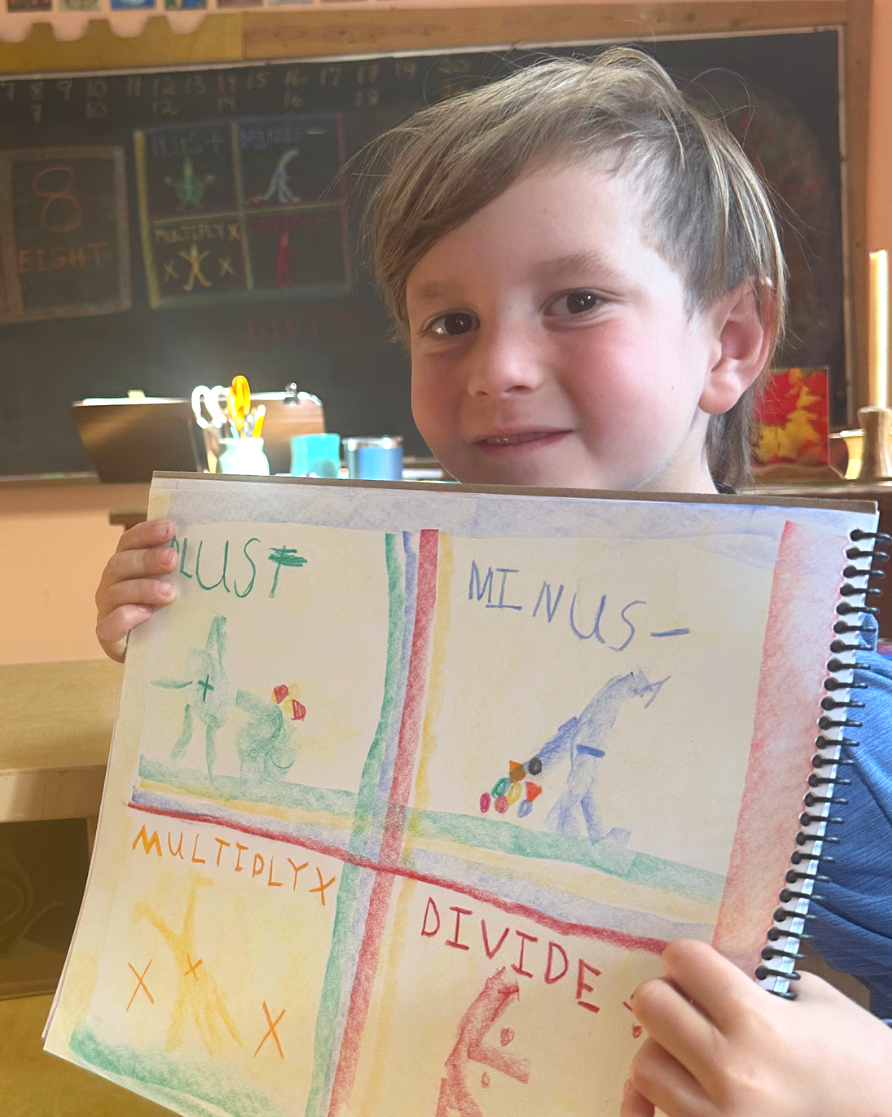
Waldorf Curriculum
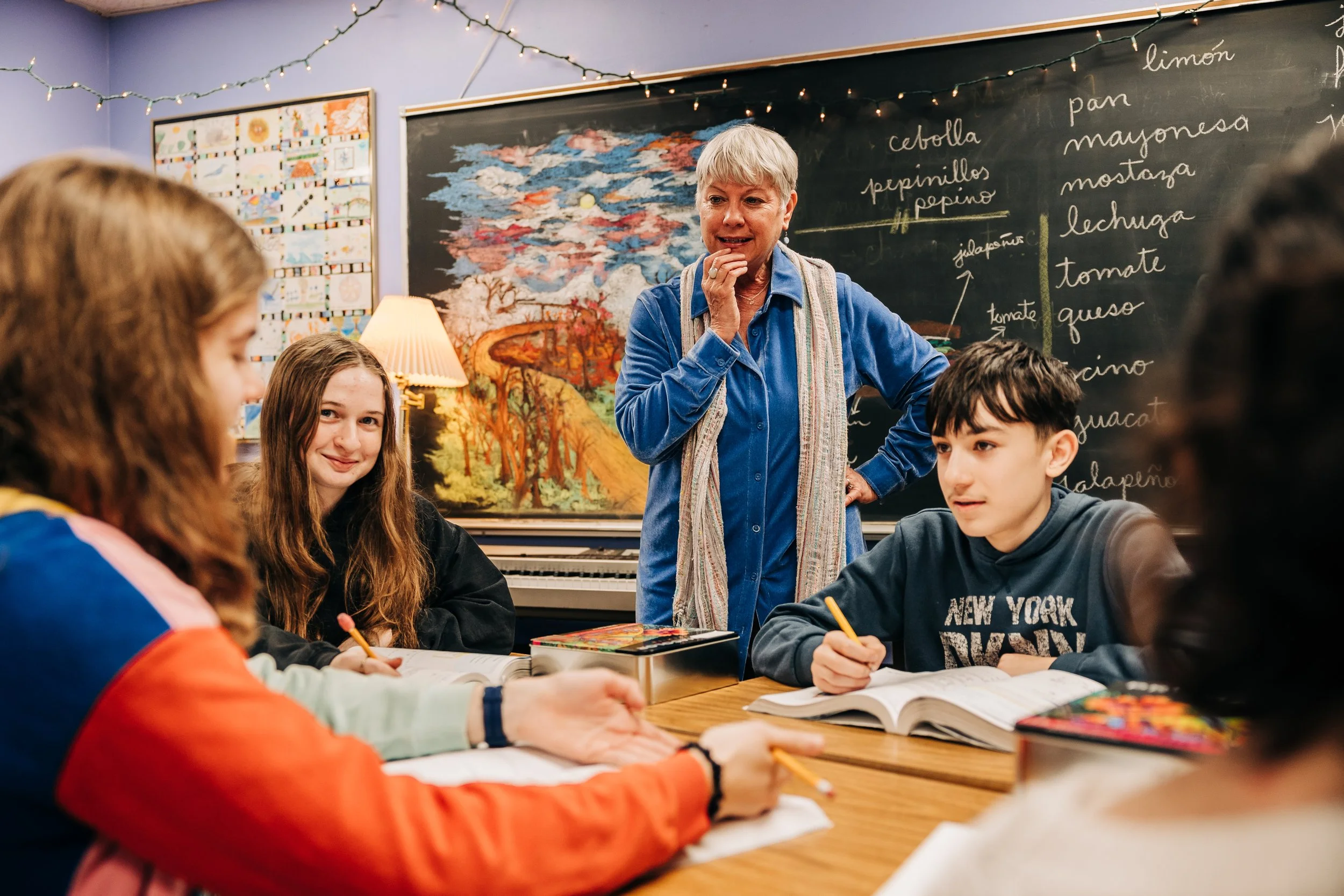
Waldorf Teachers

WSD Festivals
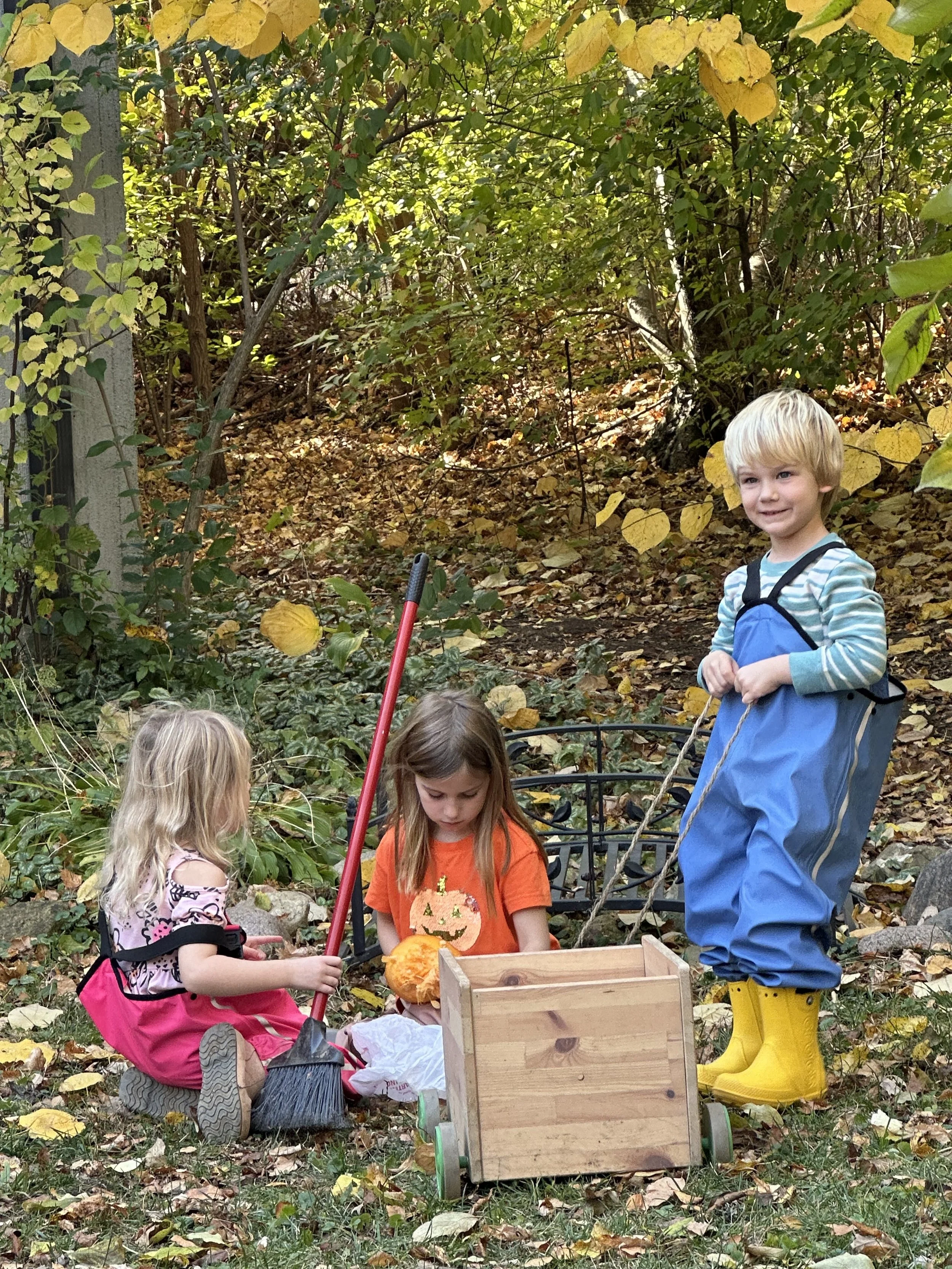
Early Childhood

Upper Grades
