The Lost Art of Summer Boredom
At some point during many childhood summers, a parent inevitably said: “Go outside and find something to do.” And somehow, children usually did.
Entire afternoons disappeared into bike rides, made-up games, forts built from lawn chairs and blankets, neighborhood adventures, chalk drawings, sprinklers, and imaginary worlds no adult fully understood. There was often no schedule, no structured entertainment, and no carefully curated activity waiting to fill every empty moment. There was simply space.
Today, boredom feels much more uncomfortable for children and adults alike. Modern life offers endless stimulation and usually instant gratification. A child never has to sit in uncertainty for very long before a screen, a show, a game, or a new activity appears to fill the silence. Parents, meanwhile, often feel pressure to ensure that every part of childhood is enriching, educational, memorable, productive, or optimized in some way. But boredom has an important purpose. It is often the beginning of imagination.
When children move through the initial discomfort of “there’s nothing to do,” something important (and fun) starts to happen. They begin inventing. They create games. They experiment. They wander outside. They negotiate with siblings. They build worlds out of ordinary objects. Creativity starts emerging not because it was assigned, but because there was finally enough room for it. This kind of unstructured play is deeply valuable, even when it looks uneventful to adults. Especially during summer.
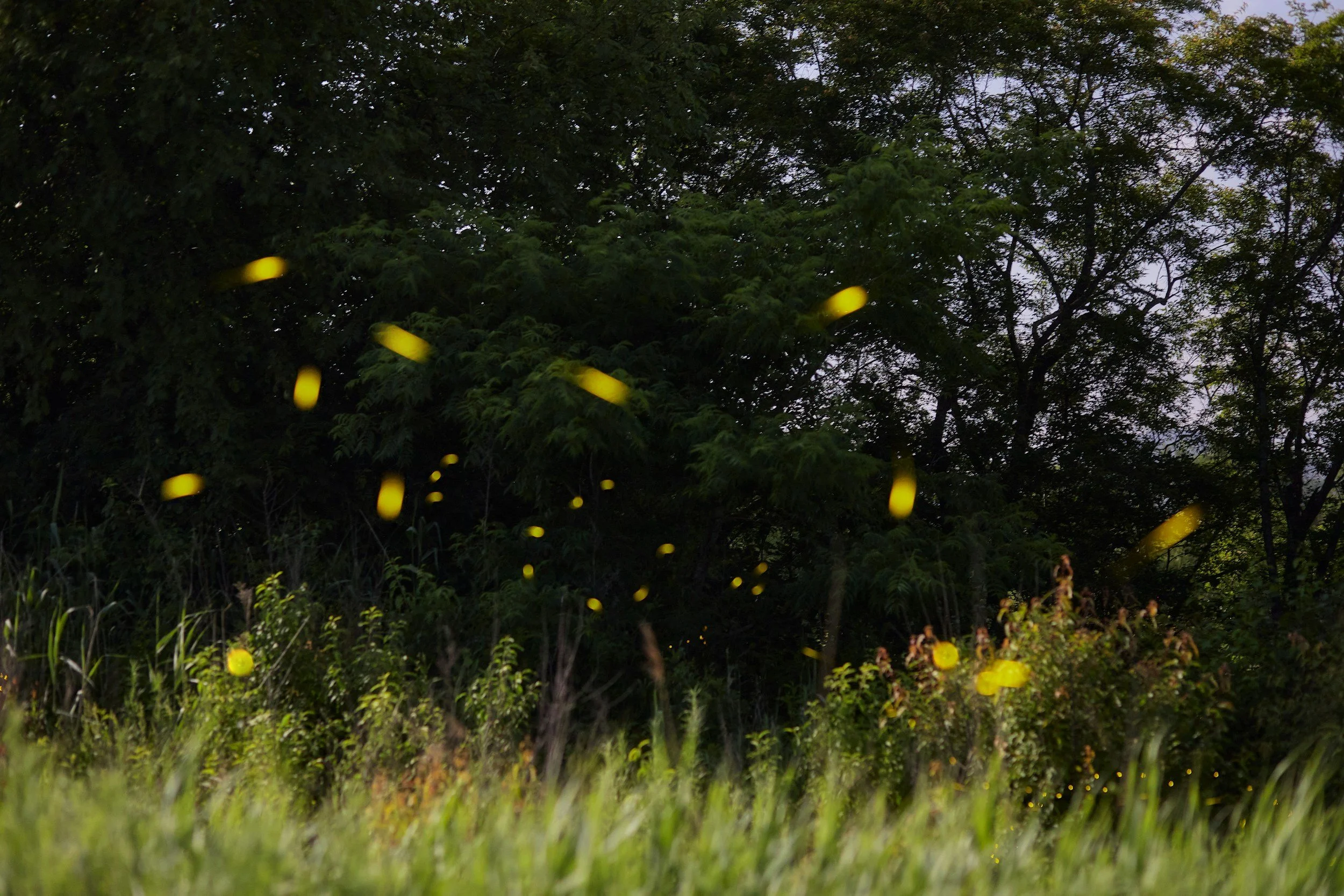
Some of the most meaningful childhood experiences are surprisingly simple. A bucket of water in the driveway. Popsicles eaten outside. Friendship bracelets made at the kitchen table. Roller skating at the local rink or around the neighborhood. Bowling nights. Library visits. Watching fireflies appear after dark. Playing cards during a thunderstorm while the windows are open. These activities endure because they engage children fully in the physical world around them. They invite presence. They encourage connection. They unfold at a human pace. And perhaps equally important, they allow children to experience themselves outside the constant stream of digital input.
This does not mean families need to eliminate screens or reject modern life altogether. Most parents are balancing very real work demands, logistical pressures, and the reality that technology is part of childhood now. The goal is not perfection. The goal is intention and to simply remember that children do not need every moment filled in order for childhood to feel meaningful. In fact, some of the most memorable moments often arise when there is finally enough space for life to become a little unscripted.
A child lying in the grass watching clouds. A group of siblings inventing a game no one taught them. A long evening that stretches past dinner because nobody is rushing somewhere else.
These moments may not appear impressive on a calendar. They may never become social media posts or carefully documented milestones. But they are often the moments children carry with them for years. Perhaps that is the real magic of summer: the freedom to simply experience being a child.