When people talk about exceptional education systems, Finland is almost always part of the conversation. For decades, educators, researchers, and policymakers have looked to Finland as one of the world's most successful education models. While there is no single measure that can crown one country as "the best," Finland has consistently earned international recognition for producing strong academic outcomes while also supporting student well-being, equity, and a genuine love of learning.
Interestingly, many of the qualities that make Finnish education so admired will feel familiar to those who know Waldorf education. Although Finland's public education system was not built on Rudolf Steiner's educational philosophy, the two approaches share several important beliefs about how children learn best.
Learning Should Follow Child Development
One of the most striking similarities is the belief that education should respect children's natural stages of development.
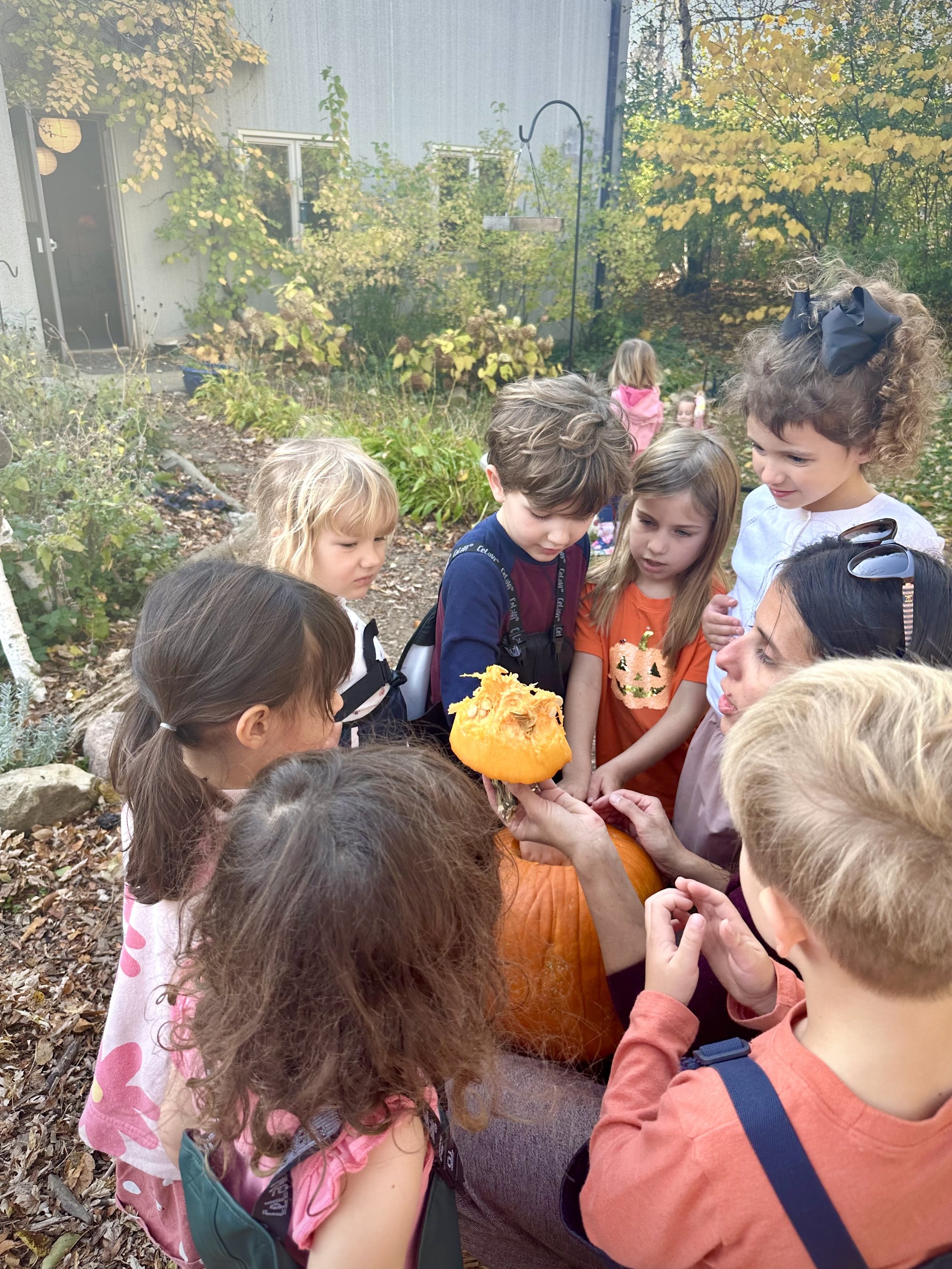
In Finland, formal academic instruction begins later than it does in many countries. Young children spend their early years learning through play, exploration, movement, and social interaction before transitioning into more structured academics. Waldorf education has long embraced this same principle, recognizing that childhood is not simply preparation for adulthood but a unique developmental stage that deserves its own rhythm and purpose. Both approaches trust that giving children time to develop emotionally, socially, and physically creates a stronger foundation for lifelong learning.
Whole-Child Education Matters
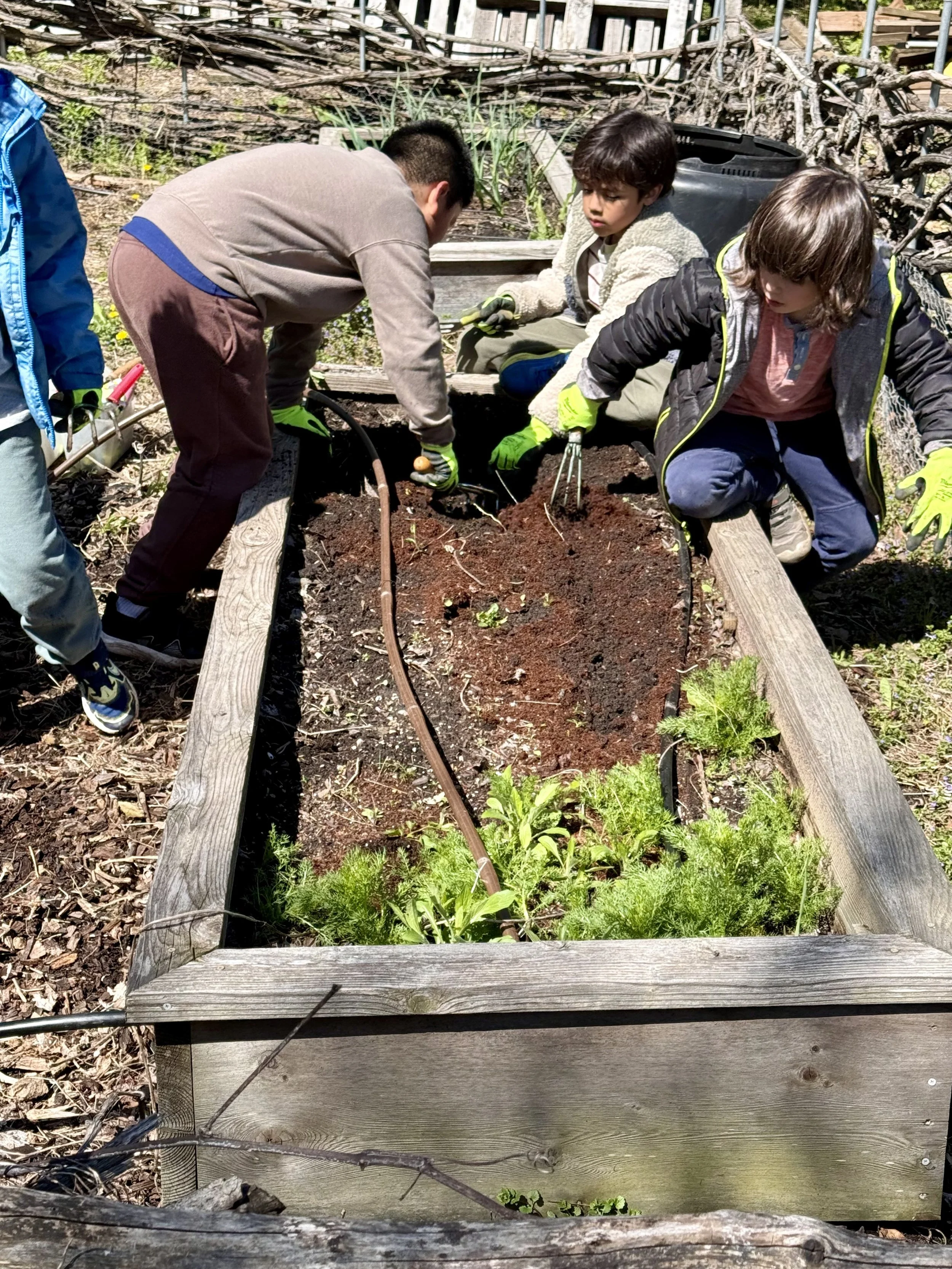
Neither Finland nor Waldorf education defines success solely through test scores. Both value educating the whole child by nurturing intellectual curiosity alongside creativity, emotional intelligence, practical skills, and social responsibility. Arts, music, crafts, movement, storytelling, and hands-on experiences are considered valuable parts of education rather than optional extras that disappear when academic pressure increases. This balanced approach helps students develop confidence, resilience, imagination, and problem-solving abilities that extend well beyond the classroom.
Less Testing, More Learning
One of the defining characteristics of Finnish education is its minimal reliance on standardized testing. Instead of frequent high-stakes exams, teachers use ongoing observation and classroom assessment to understand each student's progress and adjust instruction accordingly. Similarly, Waldorf schools traditionally place less emphasis on standardized testing during the early years, focusing instead on meaningful teacher observation and individualized feedback. In both settings, assessment exists to support learning rather than dominate it.
Teachers Are Trusted Professionals
Finland places extraordinary trust in its teachers. Educators complete rigorous university training and are given significant professional autonomy to determine how best to meet the needs of their students. Waldorf also place great value on teacher expertise, long-term relationships with students, and the ability to adapt lessons to the needs of each class. In both approaches, teachers are viewed not as technicians delivering a script but as skilled professionals exercising thoughtful judgment.
Creativity Is Essential, Not Optional
Modern education often treats creative subjects as secondary to mathematics and literacy. Finland takes a different view. Art, music, design, crafts, outdoor learning, and practical subjects remain integral parts of the curriculum because they contribute to cognitive, emotional, and social development. This mirrors one of Waldorf education's defining characteristics: creativity is woven throughout the curriculum rather than confined to a single period each week. Both approaches recognize that imagination helps make academic learning deeper and more meaningful.
Education Should Support Well-Being
Another hallmark of Finnish education is its emphasis on student well-being. Reasonable school days, opportunities for movement, outdoor play, nutritious school meals, and comprehensive student support services all contribute to an environment where children can thrive. Waldorf education likewise places significant emphasis on creating nurturing classroom communities, predictable rhythms, healthy routines, and meaningful relationships. Both recognize that children learn most effectively when they feel safe, connected, and emotionally supported.
Important Differences
Despite these similarities, it is important not to confuse the two approaches. Finland's public education system is a secular, research-informed national system designed around educational policy, teacher preparation, and equity. Waldorf education is an independent educational movement inspired by Rudolf Steiner's educational philosophy. Finland did not model its national education system after Waldorf education. Nor does Waldorf model after the Finnish system, yet both independently arrive at, and act upon, many similar conclusions about what helps children flourish.
A Shared Vision of Learning
Perhaps the greatest lesson from comparing these two approaches is that meaningful education is about much more than academic acceleration.
Both Finland's public schools and Waldorf education demonstrate the value of trusting children's development, cultivating curiosity, integrating the arts, supporting well-being, and empowering teachers. As conversations about education continue around the world, these shared principles offer an important reminder: when schools create environments where children feel known, engaged, creative, and capable, academic success and personal growth become partners rather than competitors. Whether viewed through the lens of Finland's internationally respected public education system or the traditions of Waldorf education, the message is remarkably similar: education works best when it develops the whole human being.