How to Balance Technology and Connection in Family Life
One of the quietest tensions in modern family life is that home no longer naturally feels separate from the rest of the world. Work follows us home through email and messaging apps. Notifications arrive constantly. Many parents feel as though they are perpetually reachable, perpetually responding, perpetually “on.” It is difficult to rest in an environment that never fully settles.
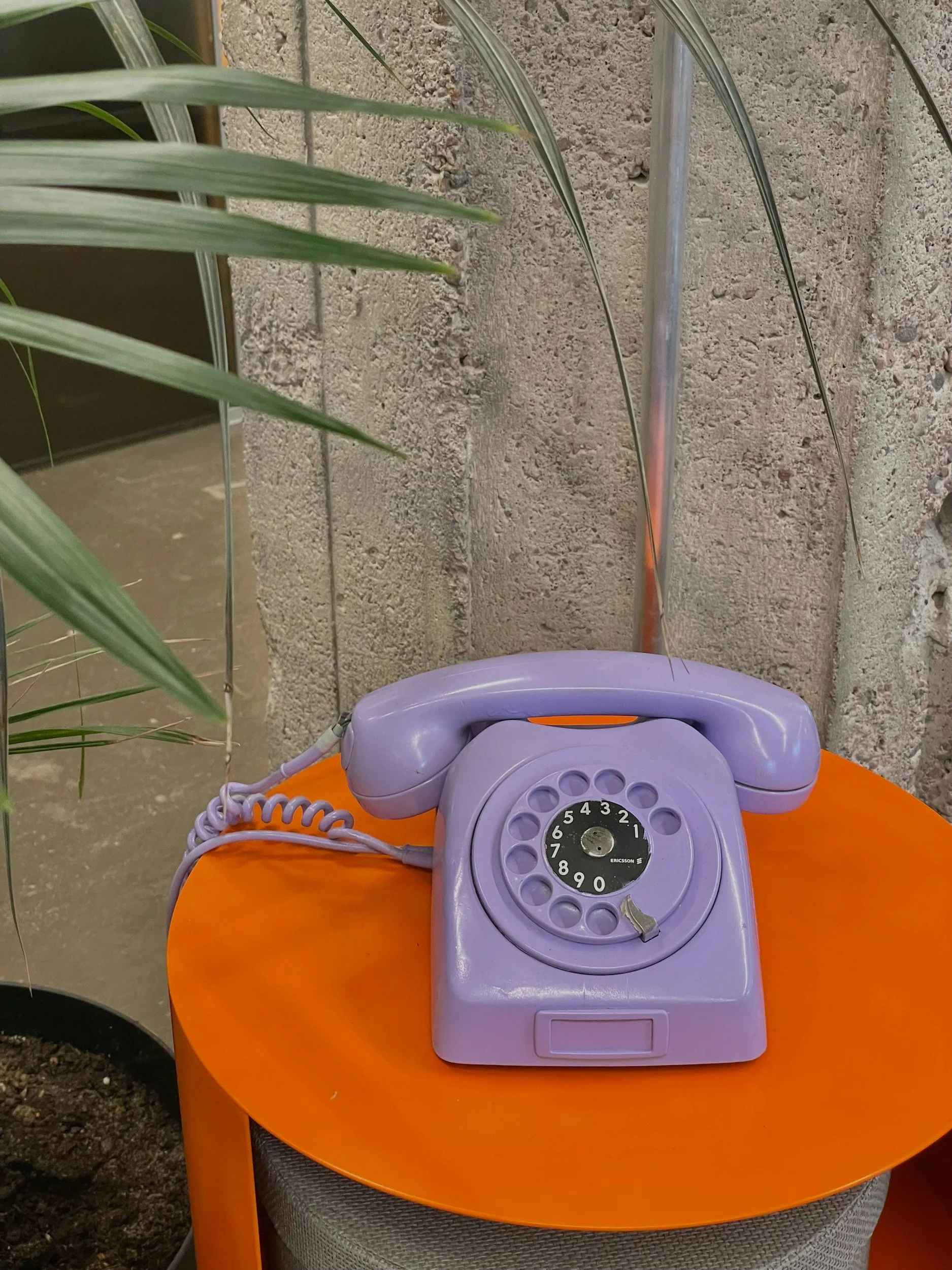
What many families are longing for is not the elimination of technology, but boundaries around it. They want home to feel calmer. Softer. More connected. More human. Ironically, many of those boundaries existed by default not very long ago (cue 90’s nostalgia). There was a time when the internet lived in one place. Families shared a single computer. Calls came through the house phone. Adults were not expected to answer messages at all hours. Evenings unfolded differently because technology itself had limits.
Of course, no one is realistically suggesting that modern families return entirely to that world. Parents today are balancing work responsibilities, communication needs, safety concerns, and the realities of raising children in a digital age. Technology is deeply woven into daily life and often genuinely helpful. But many families are discovering that small boundaries can change the emotional atmosphere of a home surprisingly quickly. Just because technology can go everywhere does not mean it should shape every moment of home life.
For some families, that may look like creating one room or one part of the day that feels lower-tech. Others may begin with something as simple as silencing non-essential notifications after work hours. Some families notice a dramatic shift when phones are no longer present at the dinner table or when evenings become slightly slower and less screen-centered. These are not rigid rules designed to create perfect homes. They are small acts of intentionality and children notice these shifts more than we realize.
They notice when adults are able to sit and talk without interruption. They notice when music plays during dinner instead of television in the background. They notice when parents read books, cook slowly, garden, make things with their hands, or simply rest without scrolling through a device. Home culture is built through repetition. Through atmosphere. Through what becomes normal. And perhaps one of the most important things children can experience today is the feeling that not every moment needs to move at the pace of the internet.
The modern world will likely always move quickly. Our children will be fluent in technology and connected to a digital society in ways previous generations never experienced. But home can still offer something different. Not disconnection from modern life, but relief from constant stimulation. Not perfection, but breathing room. Not a return to the past, but a thoughtful effort to protect the parts of human life that still help us feel grounded, present, and connected to one another.