
The Windrose Journal
A Waldorf Blog
The Windrose Journal is a grounded, thoughtful space where stories, reflections, and insights from the Waldorf School of DuPage community come together—past, present, and future. Like a compass rose, it helps orient families, educators, and alumni as we navigate the evolving world of Waldorf education and child development. Here, you’ll find a meaningful blend of tradition and innovation, sharing voices that illuminate the heart of our school. Whether you're seeking inspiration, perspective, or connection, The Windrose Journal offers guidance rooted in experience and purpose.
You can explore posts by topic or simply scroll down to see our most recent content. Happy reading!

Presence Is Enough: A Gentle Reminder for Summer Parenting
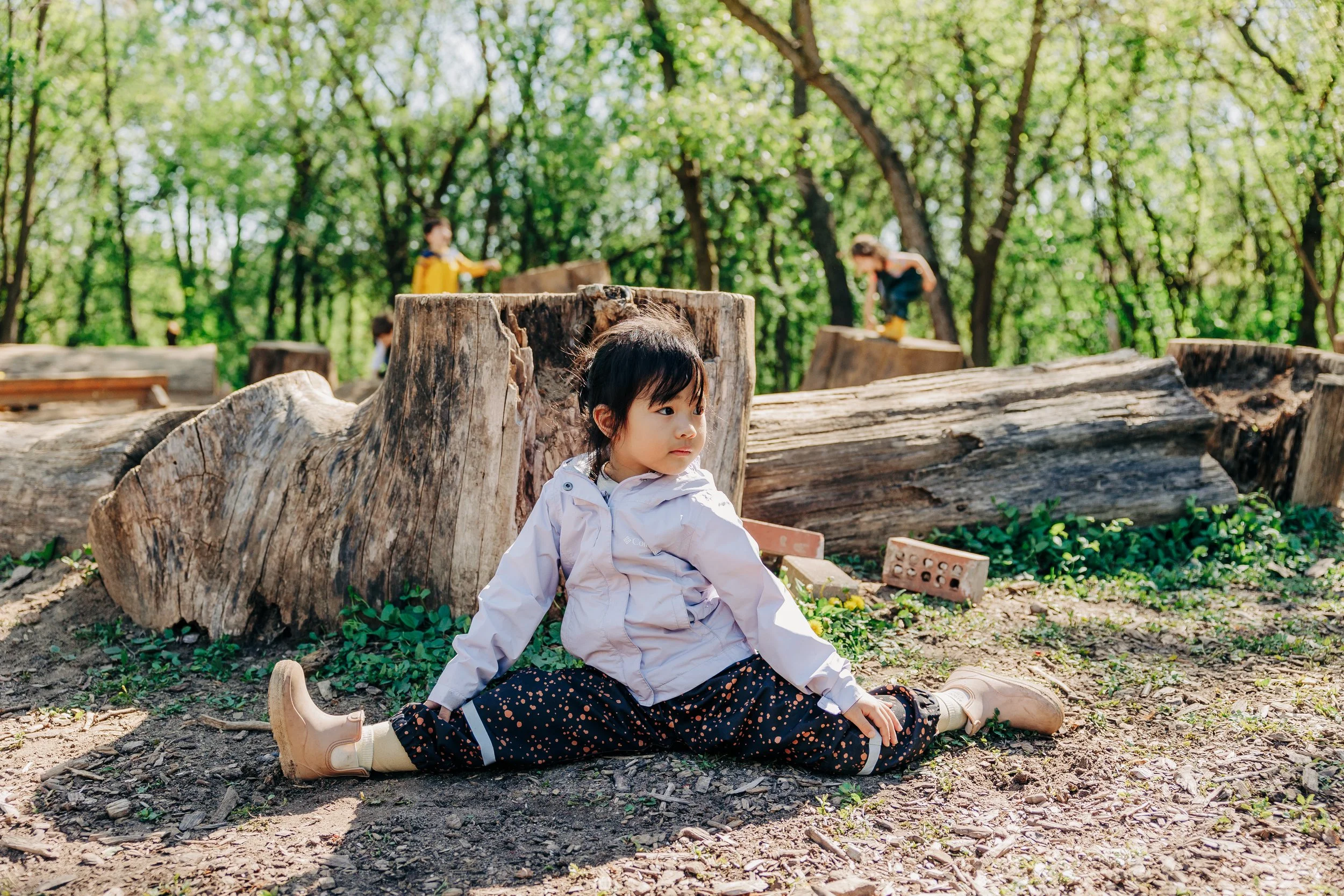
In a world filled with summer bucket lists and pressure to constantly entertain children, it can be easy for parents to feel overwhelmed. But young children do not need perfectly planned days to thrive. This Waldorf-inspired reflection explores how presence, rhythm, simplicity, and slowness create the kinds of summer memories children carry for a lifetime.
New Beginnings in Early Childhood at WSD
We are delighted to welcome wonderful educators to our Early Childhood program this year. From longtime community connections to rich backgrounds in education, music, language, and the arts each teacher brings warmth, creativity, and a deep love for children to WSD. We cannot wait for families to meet them and experience the joy they will bring to our classrooms and community.
What the Research Says About Play-Based Learning
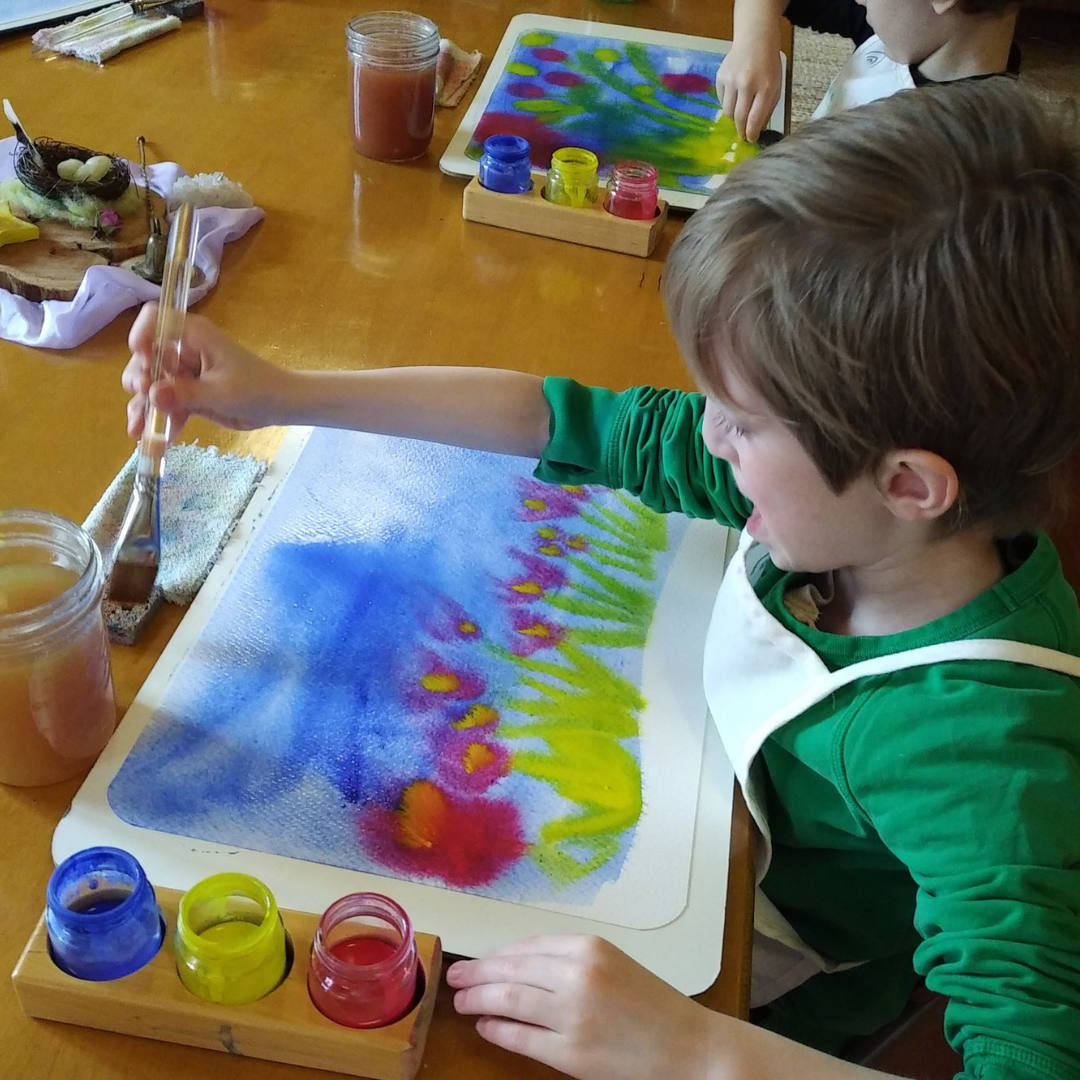
Will a play-based preschool prepare your child? Decades of research say yes.
Children develop essential skills like focus, self-regulation, problem-solving, and creativity through meaningful play—skills that support long-term academic success. In this article, we explore what developmental science says about play-based learning and how The Waldorf School of DuPage helps children build a strong foundation for first grade and beyond.
Meet Rachael: A Steady, Playful Presence
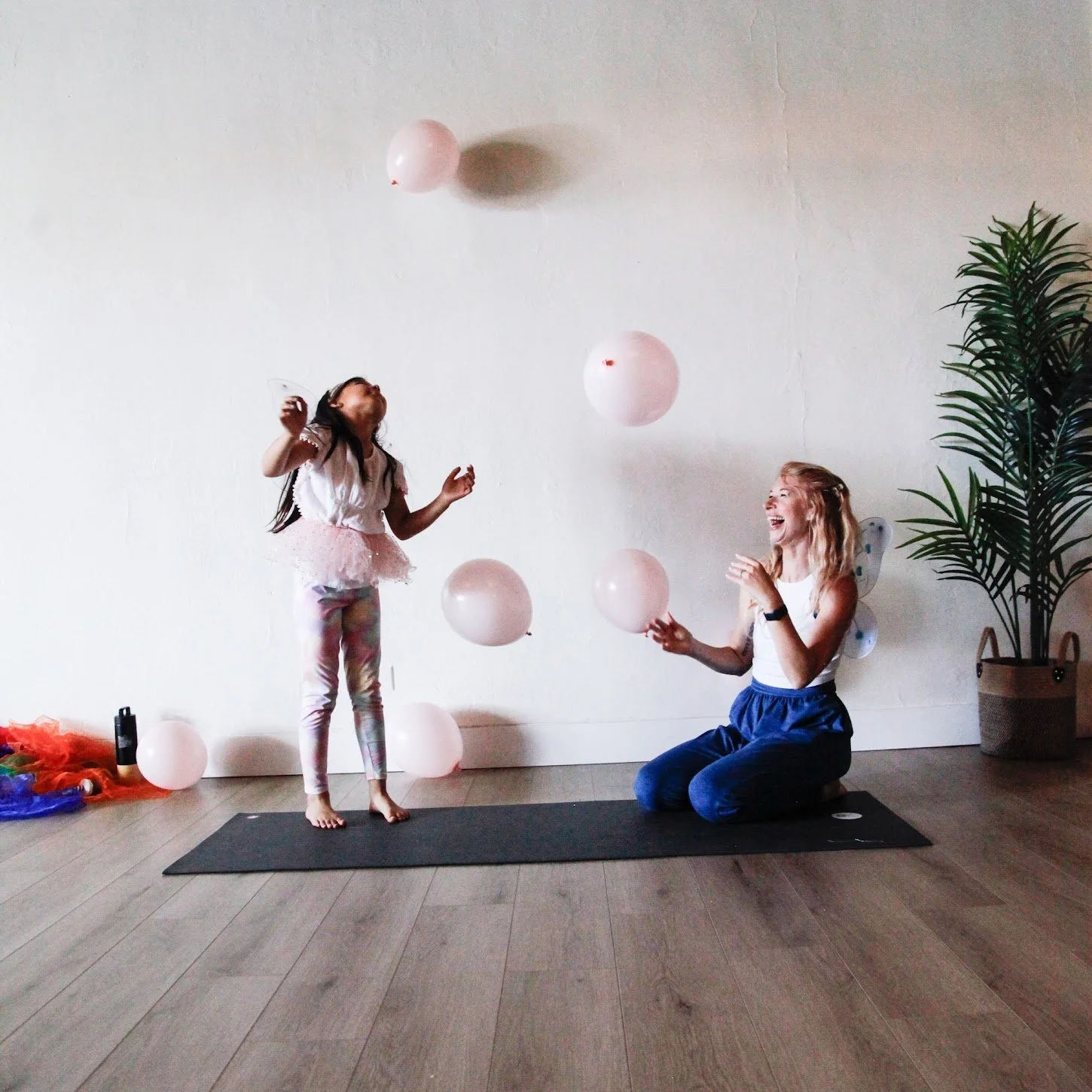
There's a particular kind of calm that follows Rachael into a room. The kind that doesn't quiet the energy of a group of children so much as give it somewhere good to go. With a background in yoga, mindfulness, and archery, she's spent years learning how to be both playful and grounded at once. Get to know the teacher behind the calm.
Dancing Into Spring: The Meaning Behind the Waldorf Mayfaire Celebration
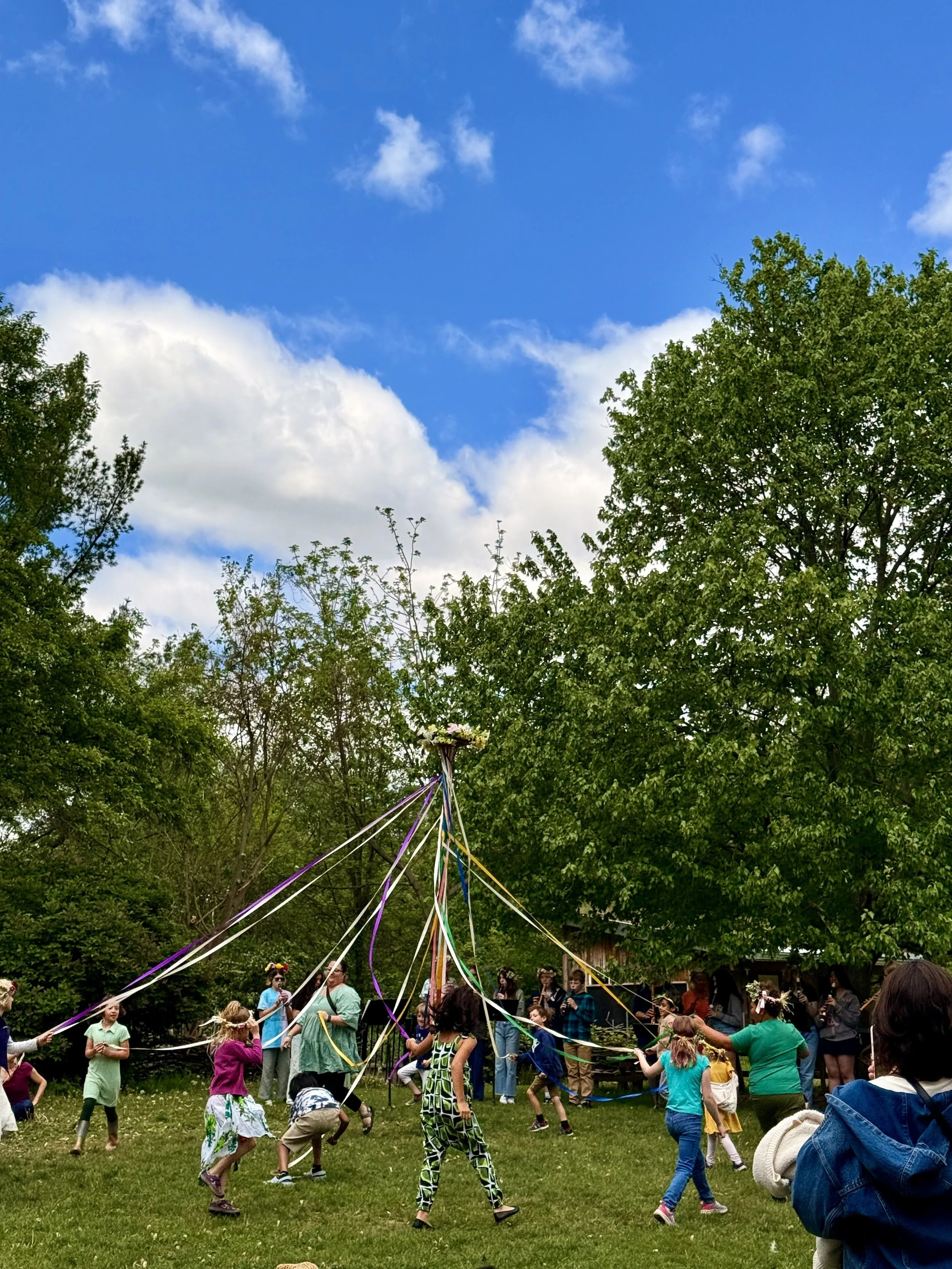
It can be tempting to see Mayfaire as a charming seasonal event; but within Waldorf education, festivals are an essential part of the curriculum. They provide a living rhythm to the year, helping children feel grounded in time and place. In a fast-paced, often fragmented world, these recurring celebrations offer something increasingly rare: continuity. Children remember the feeling of Mayfaire; the music, the movement, the warmth of the sun. Over the years, those memories build a quiet inner stability. They come to expect that after winter, spring will return. That joy follows dormancy. That they are part of something cyclical and enduring.
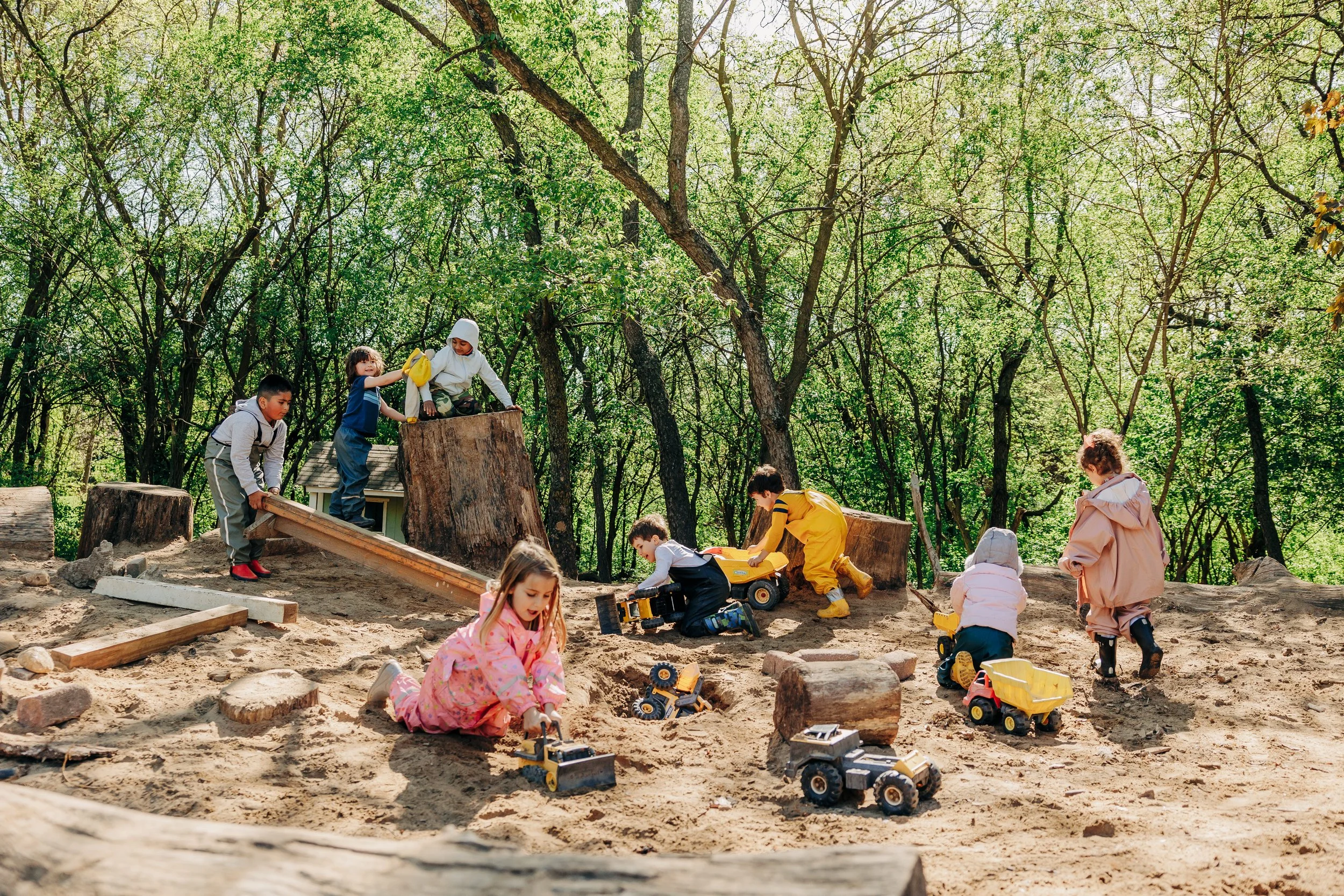
The Gift of an Unhurried Childhood: Why Early Childhood Should Be Filled with Wonder, Movement, and Play
In today's world of early academics, many parents wonder if play-based preschool is enough. At The Waldorf School of DuPage, we believe that an unhurried childhood builds the foundation for lifelong learning. Discover how imagination, movement, and meaningful play help children develop the confidence, focus, and resilience they need to thrive in first grade and beyond.
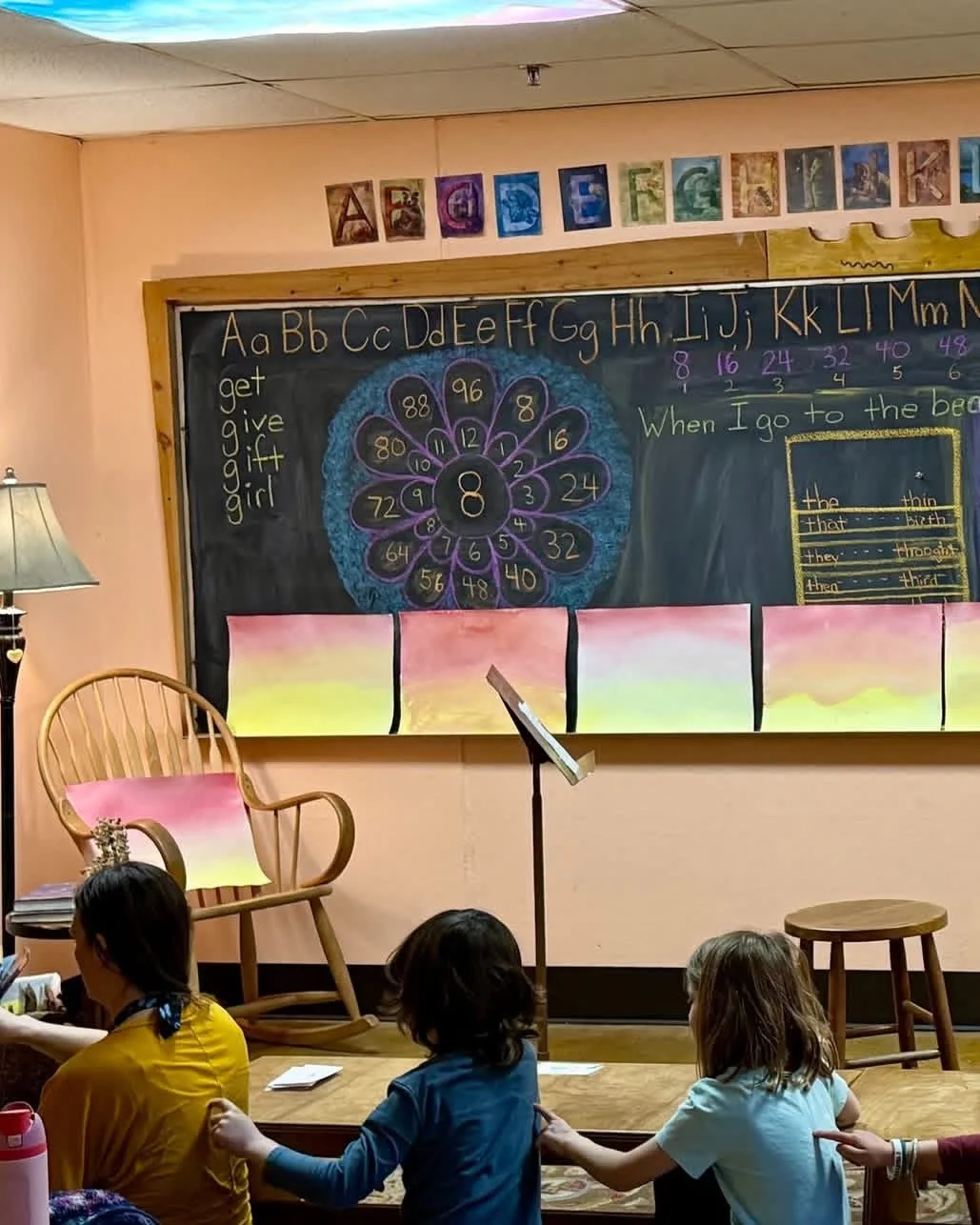
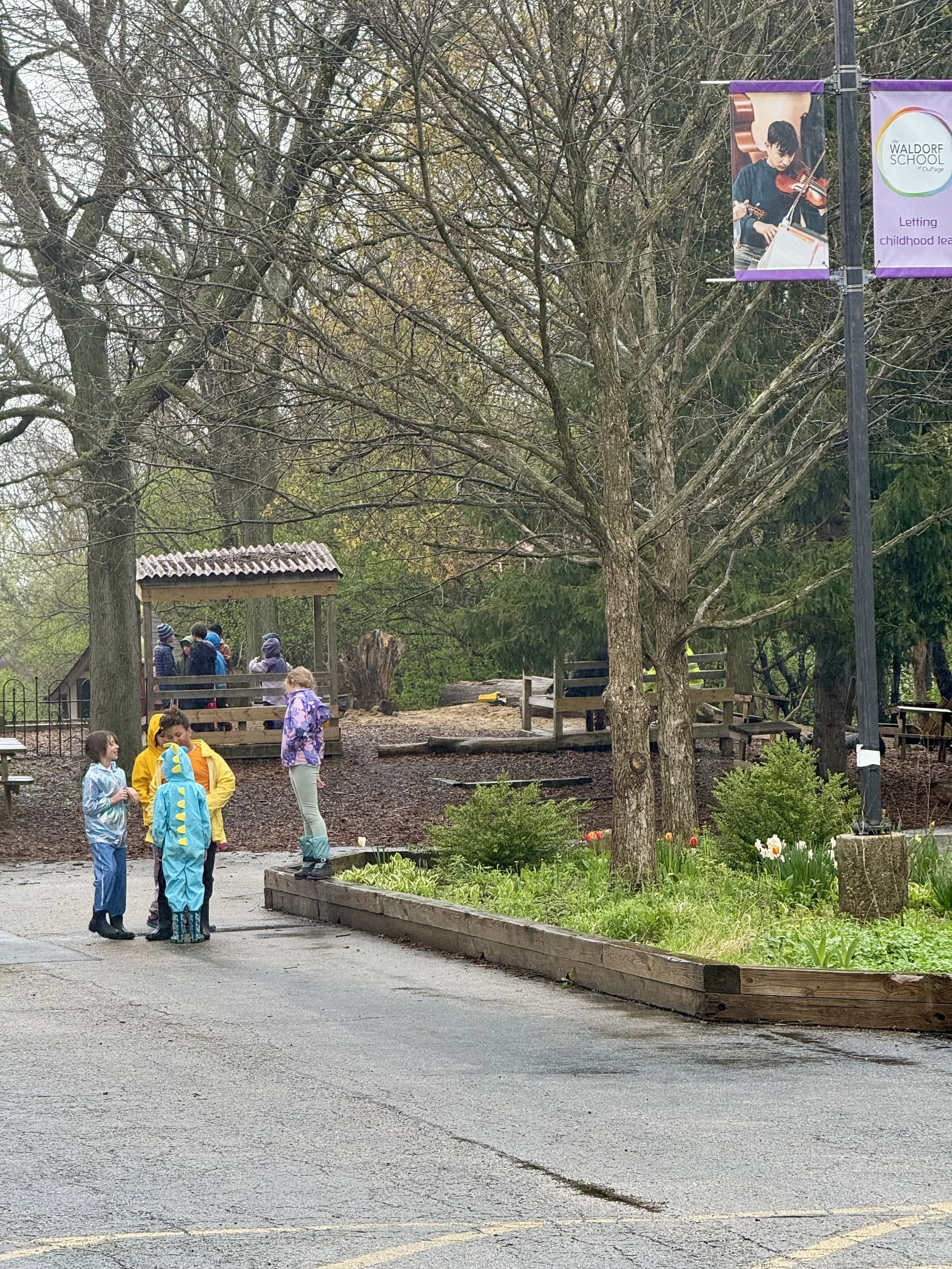
What Schools Don’t Use Technology? A Parent’s Guide to Low-Tech Education
Discover which schools limit or avoid technology, including Waldorf, Montessori, and nature-based programs. Learn the benefits of low-tech education and whether it’s right for your child.
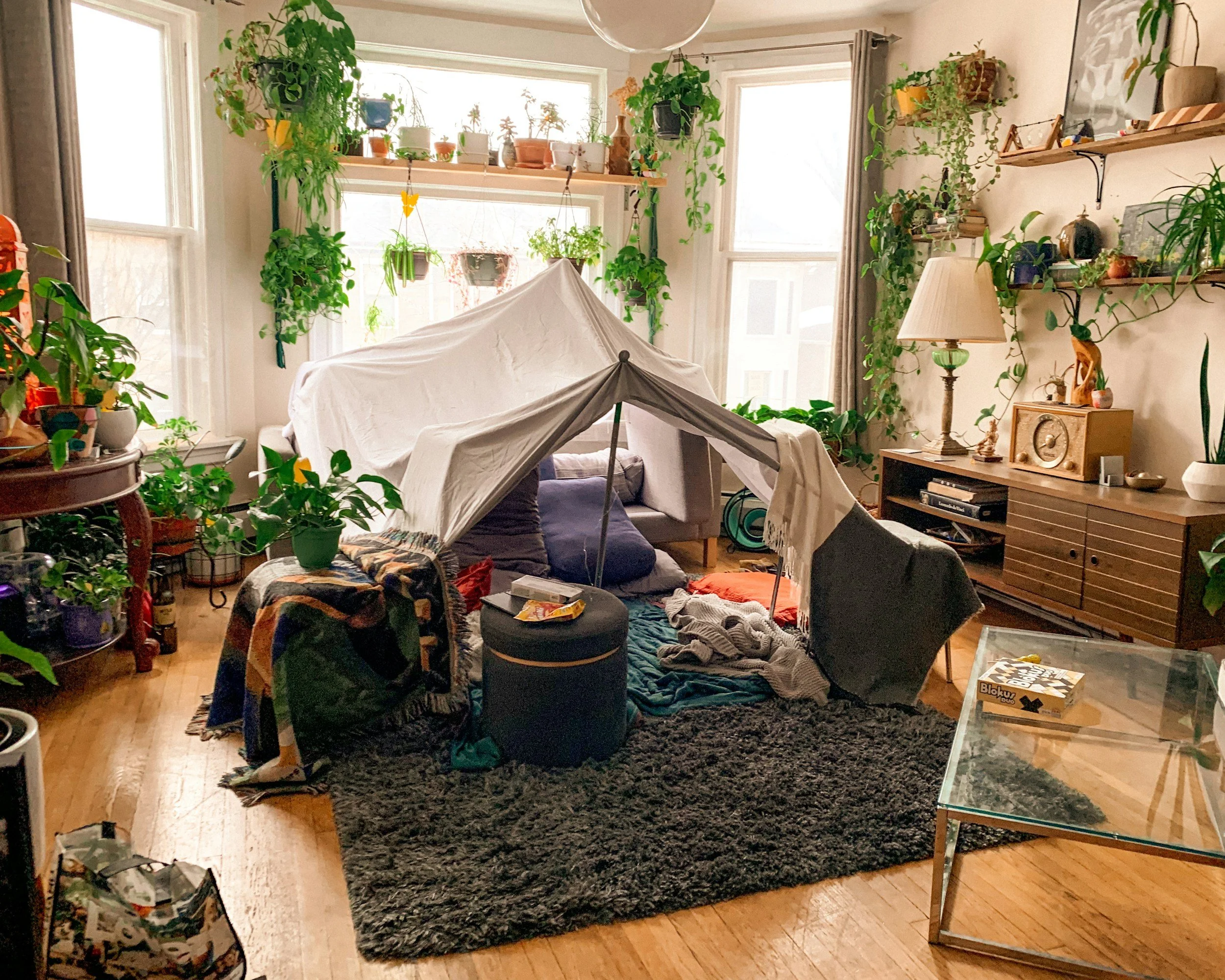
Creating a Home That Invites Independent Play
When the environment is set up with intention, children don’t need to ask what to do or wait for direction. They begin on their own and stay longer. Less screen time doesn’t come from restrictions at this age. It comes from a space that quietly says, “You can start here.”

Rethinking Rigor, Part 2: How Waldorf Education Delivers Deep, Joyful Academic Rigor in Grade School
Families exploring private school education often ask: Is Waldorf rigorous? While it may look different from traditional models, Waldorf grade schools cultivate deep academic rigor through immersion, synthesis, disciplined thinking, and meaningful challenge. Here’s how rigor, joy, and beauty work together to build strong, capable learners.
Explore Posts by Topic
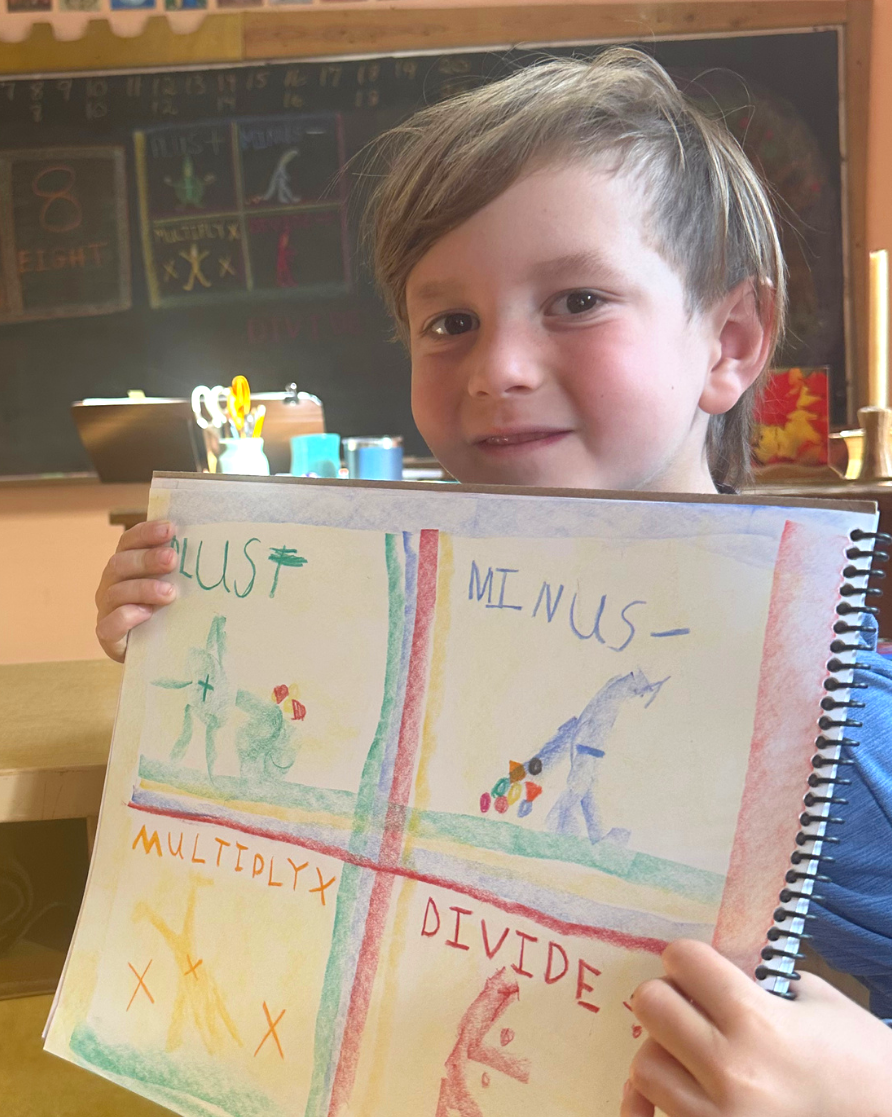
Waldorf Curriculum
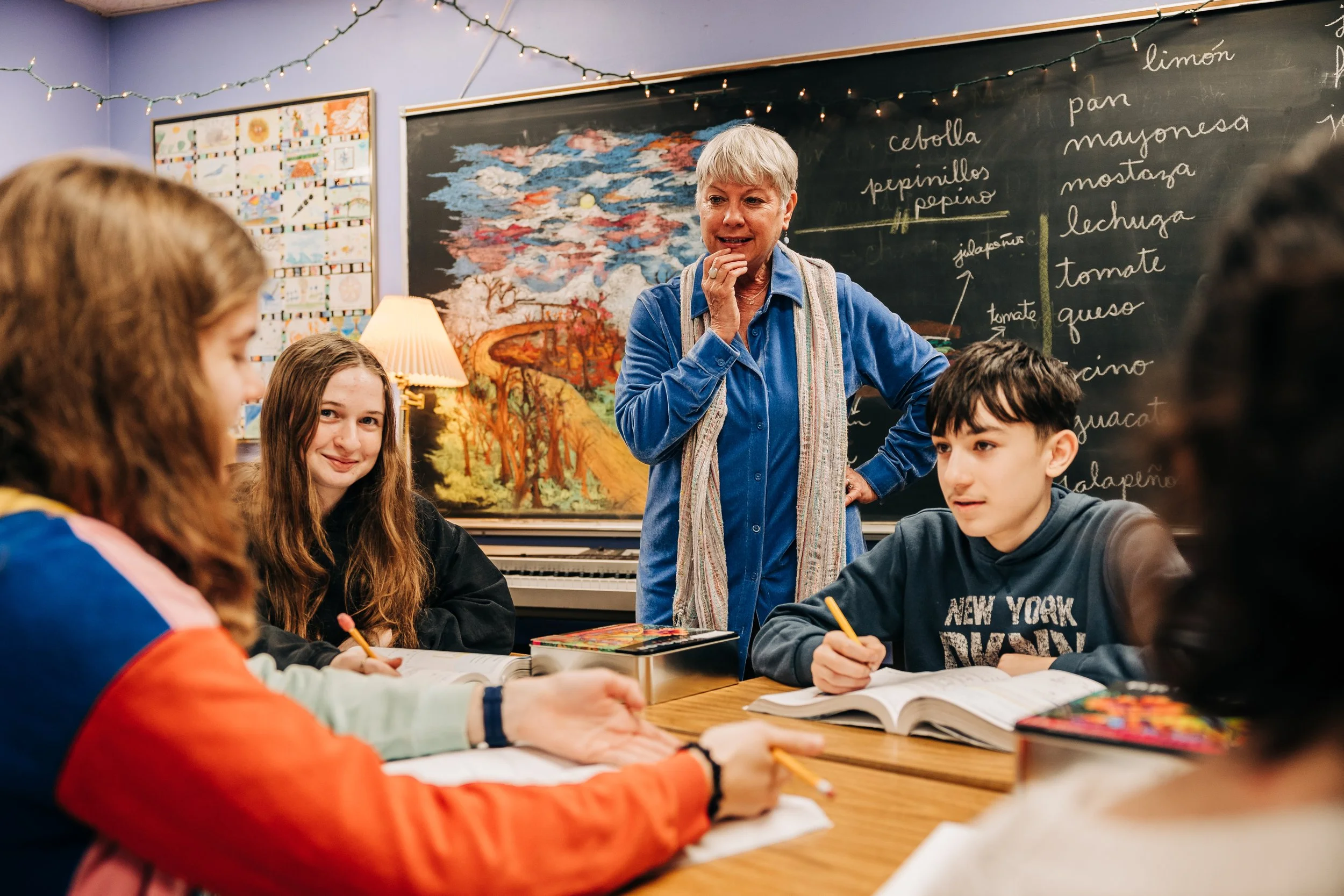
Waldorf Teachers

WSD Festivals
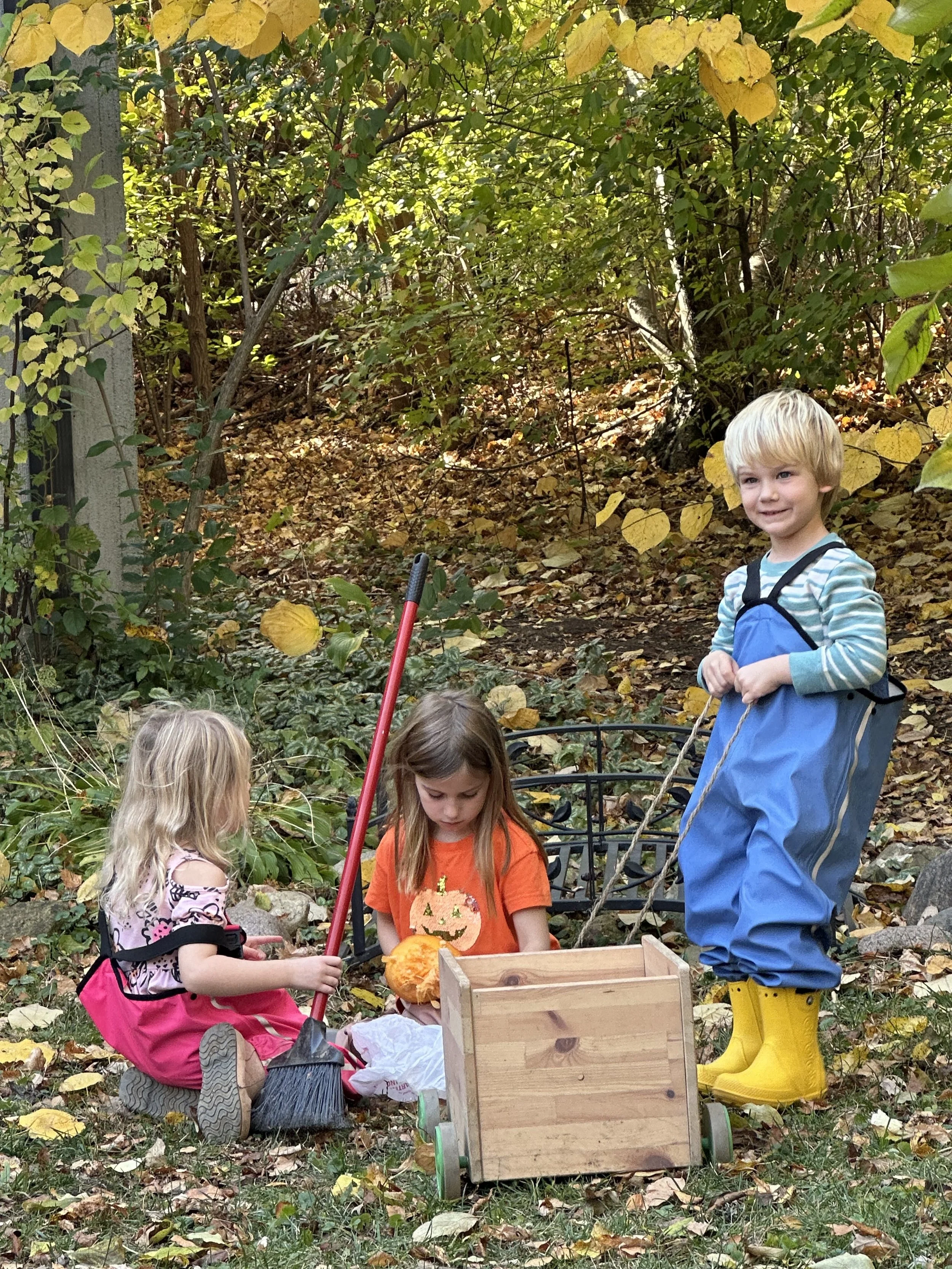
Early Childhood

Upper Grades
