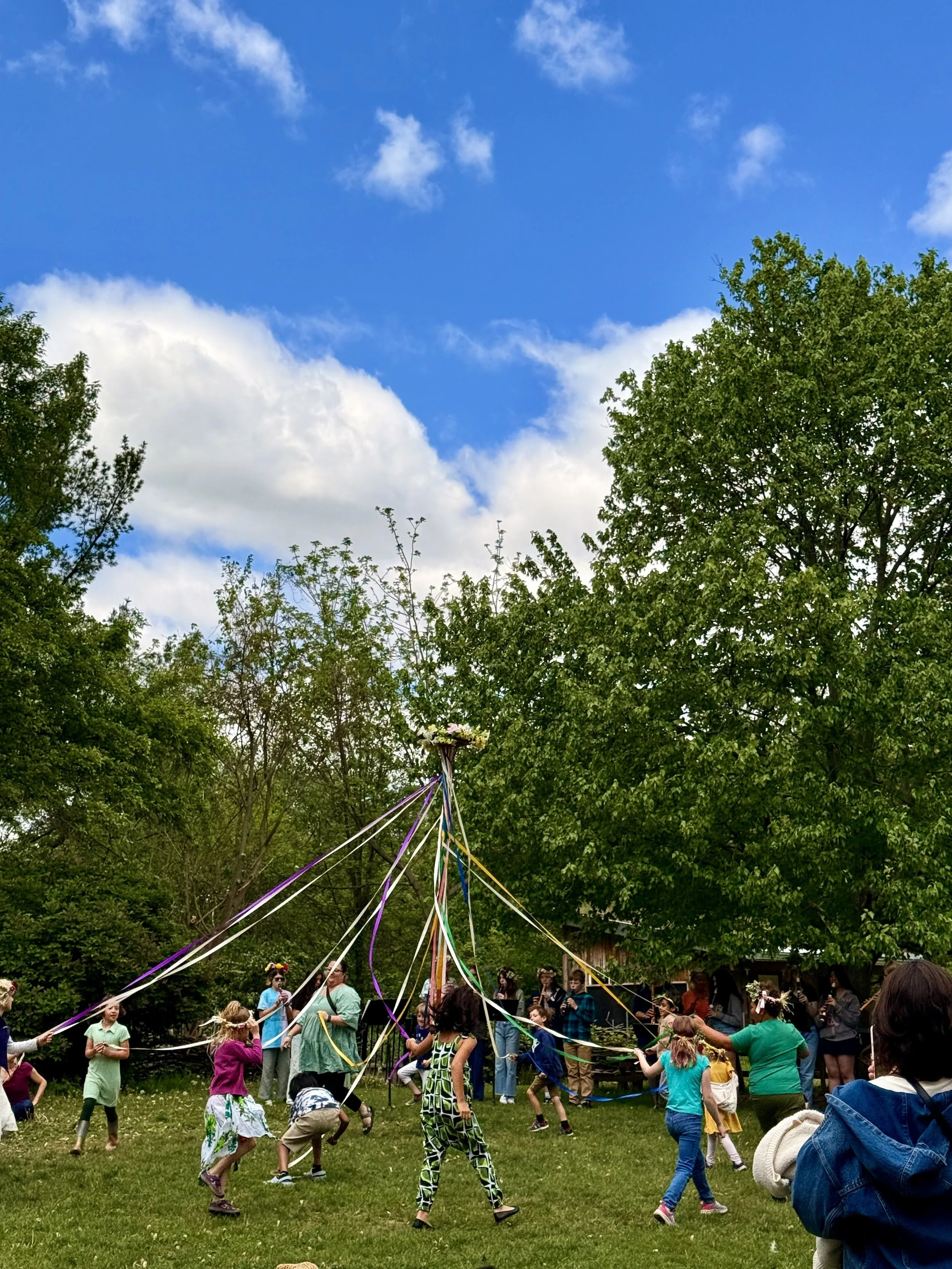
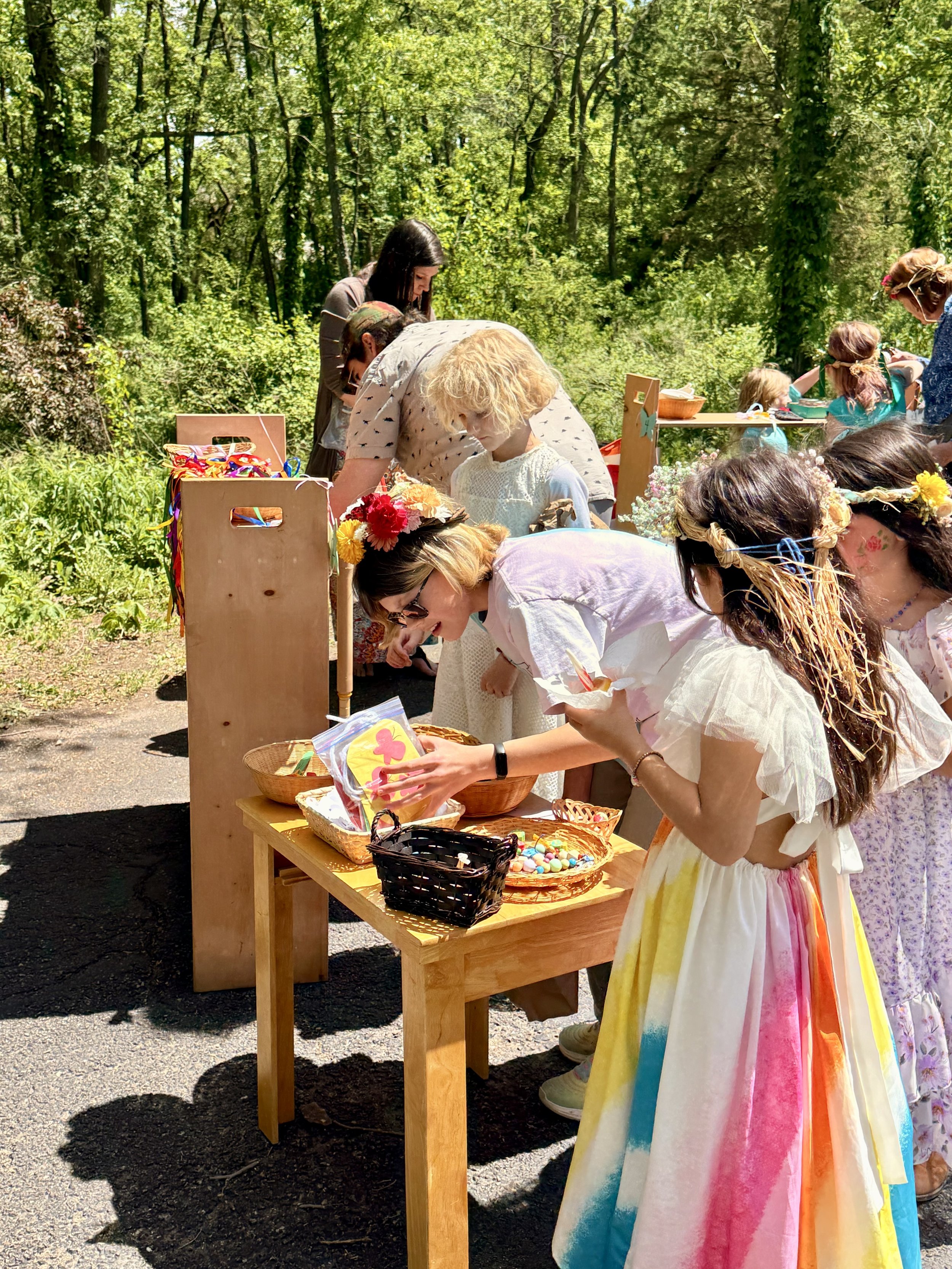
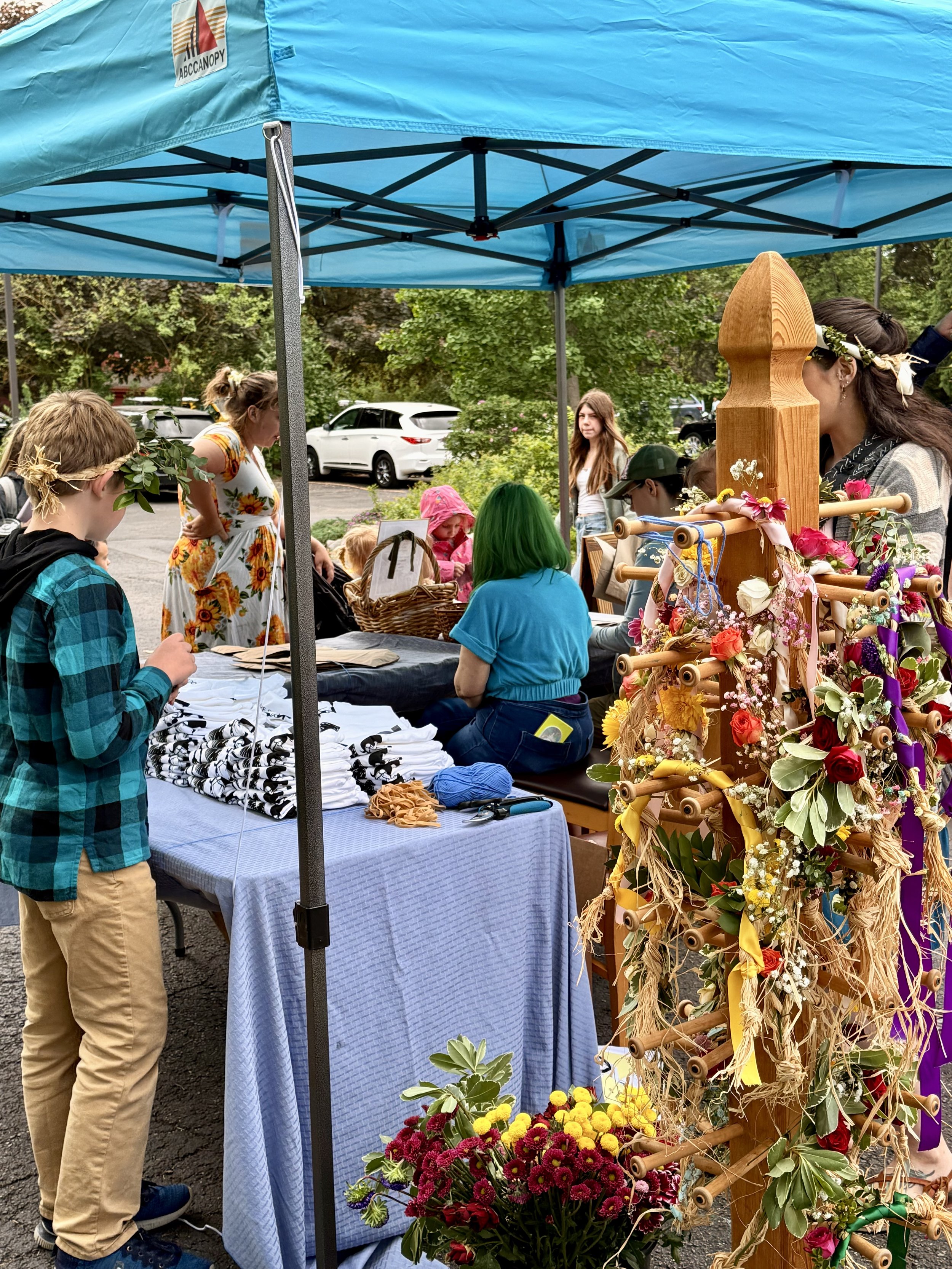
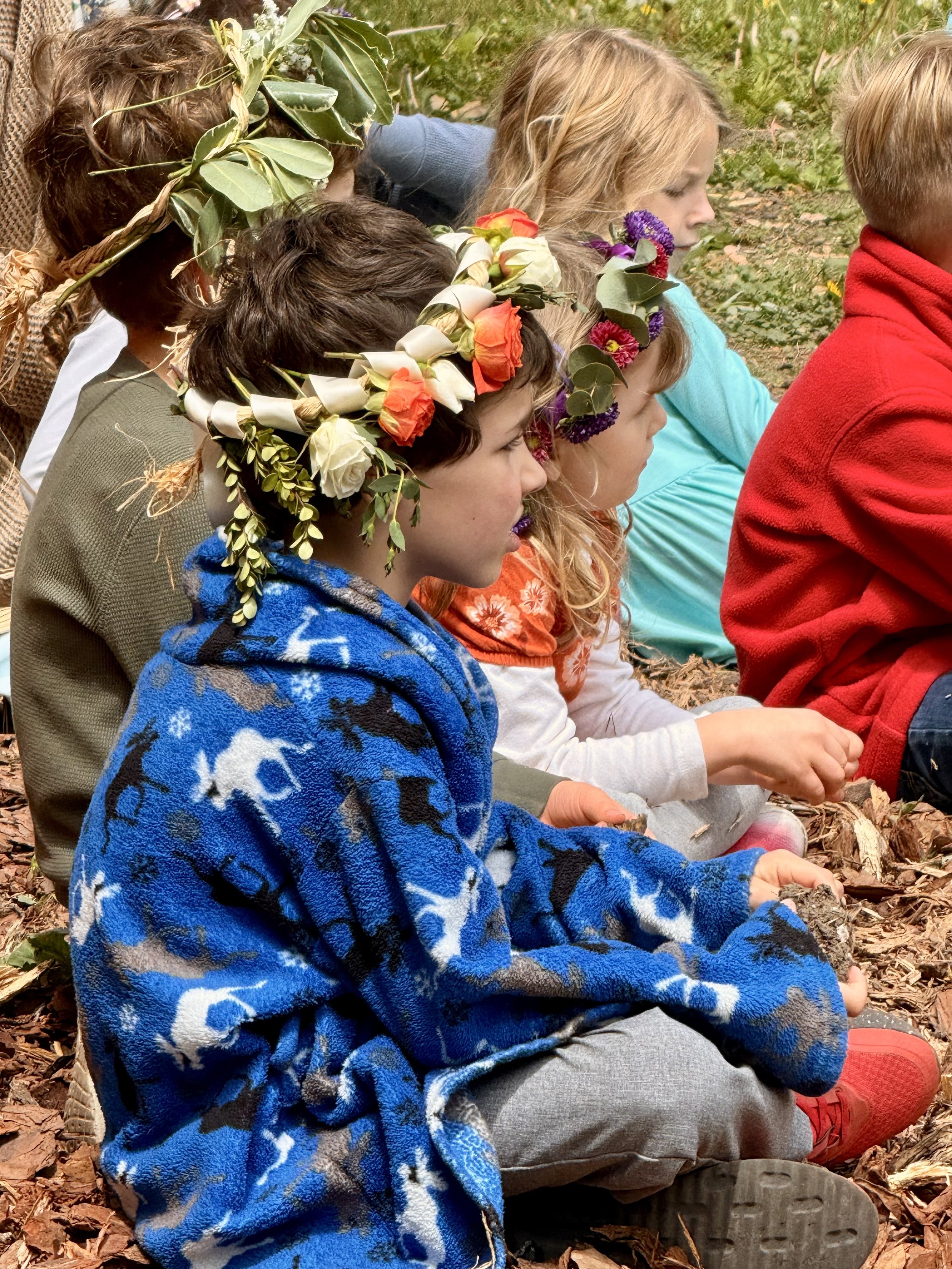
Each spring, as the last traces of winter fade and the earth begins to stir back to life, Waldorf schools around the world gather for one of their most beloved traditions: Mayfaire. To an outside observer, the festival may appear simple; colorful ribbons woven around a tall pole, flower crowns, singing, and laughter filling the air. But beneath the beauty and joy lies a deeply intentional celebration rooted in rhythm, childhood development, and a reverence for nature.
A Celebration of Renewal
Mayfaire is, at its core, a festival of renewal. It marks the arrival of spring in its fullest expression when blossoms are open, days are longer, and warmth returns to the earth. In a culture often disconnected from seasonal rhythms, Waldorf education places great importance on helping children experience the cycle of the year in a tangible way. Rather than simply talking about spring, Mayfaire invites children to live it.
The festival aligns with ancient European spring traditions that honored fertility, growth, and the balance between light and dark. While Waldorf schools present the celebration in a secular, inclusive way, they retain its essence: a joyful recognition that life is reawakening.
The Maypole: A Living Symbol
At the center of most Mayfaire celebrations stands the maypole, wrapped in long, vibrant ribbons. As children dance in coordinated patterns, weaving the ribbons in and out, something special quietly takes place. The dance is a visual and physical expression of harmony, cooperation, and interconnectedness. Each child holds a ribbon, and only by moving together (attentively and rhythmically) can they create the intricate woven design around the pole. There is no competition, no spotlight on individual performance. Instead, the beauty emerges from the group effort.
For young children especially, this experience reinforces an essential Waldorf principle: that learning is not only intellectual, but also social, physical, and emotional.
Why It Matters for Children
In early childhood, experiences shape understanding far more deeply than explanations. Mayfaire meets children exactly where they are developmentally.
Sensory richness: The colors, music, movement, and natural surroundings engage the senses fully.
Imitation and participation: Children learn by doing; by dancing, singing, and celebrating alongside their teachers and peers.
Joyful structure: The festival has form and rhythm, offering a sense of security while still feeling magical and spontaneous.
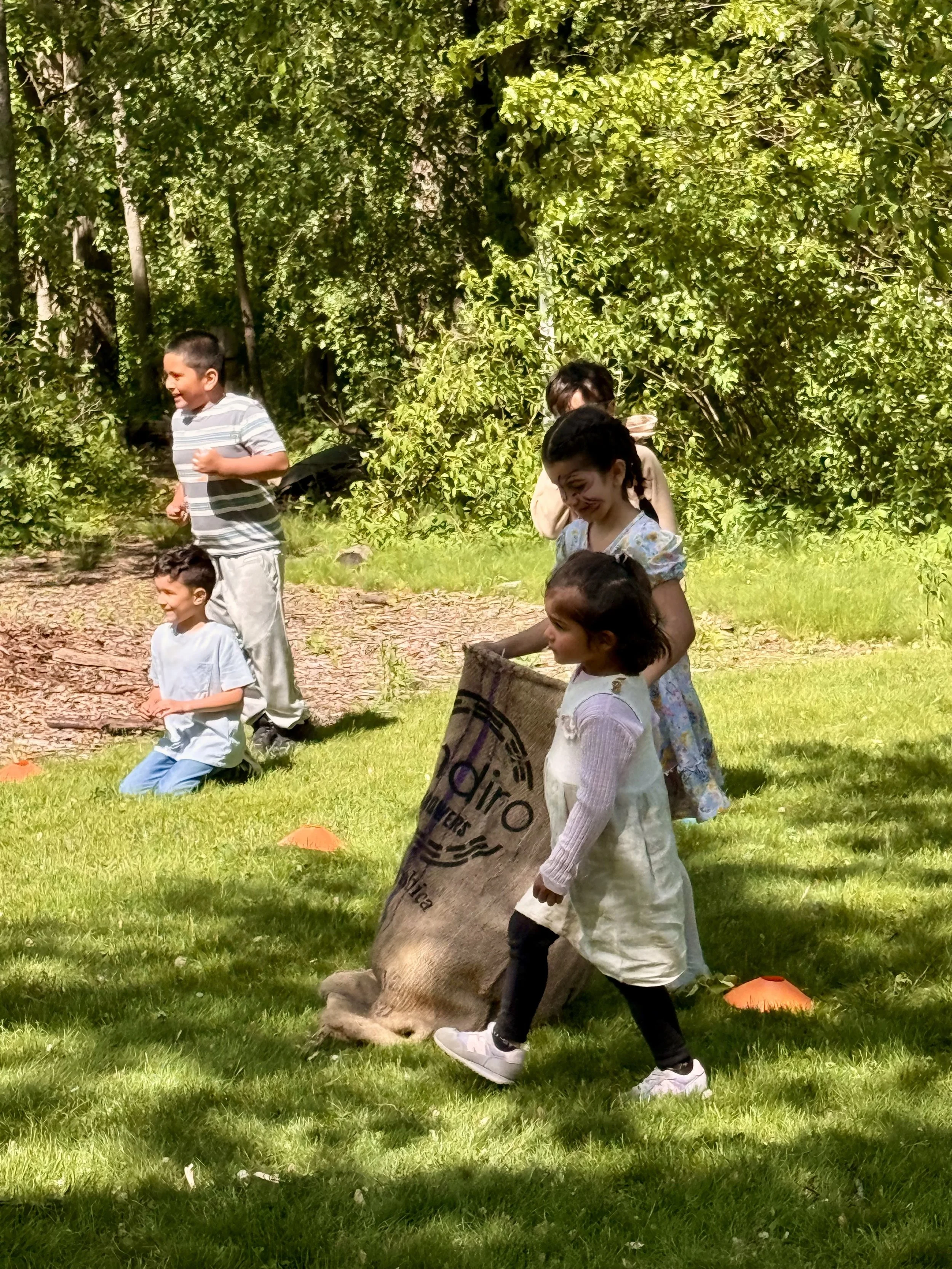
For grades students, Mayfaire often includes more intricate dances or performances, giving them a chance to step into greater responsibility while still contributing to the collective whole. These experiences build confidence, coordination, and a sense of belonging; qualities that extend far beyond the festival itself.
A Community Experience
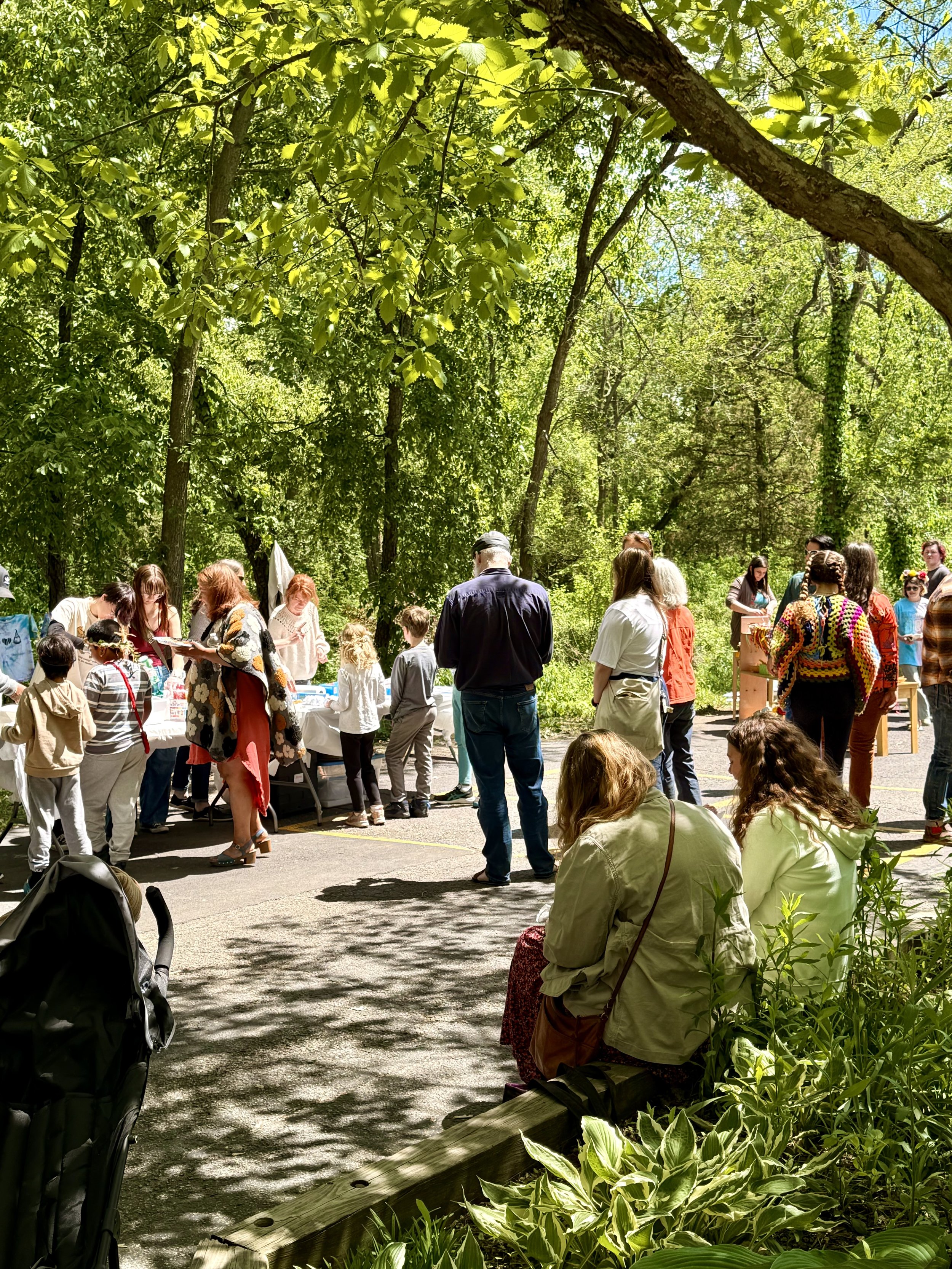
Mayfaire is a gathering of the entire school community. Parents, teachers, relatives, friends and siblings come together to share food, laughter, and connection. For new families, this can be a particularly meaningful introduction to Waldorf culture. The festival reflects values that may not always be obvious in a classroom setting:
Slowing down to honor the moment
Finding beauty in simplicity
Valuing participation over performance
Creating traditions that children carry forward
It is often in these shared celebrations that families begin to feel the deeper sense of community that Waldorf schools strive to cultivate.
More Than a Festival
It can be tempting to see Mayfaire as a charming seasonal event; but within Waldorf education, festivals are an essential part of the curriculum. They provide a living rhythm to the year, helping children feel grounded in time and place. In a fast-paced, often fragmented world, these recurring celebrations offer something increasingly rare: continuity. Children remember the feeling of Mayfaire; the music, the movement, the warmth of the sun. Over the years, those memories build a quiet inner stability. They come to expect that after winter, spring will return. That joy follows dormancy. That they are part of something cyclical and enduring.
For Parents: What to Take Away
If you are new to Waldorf education, Mayfaire offers a glimpse into its deeper intentions. It is not about spectacle or perfection. It is about experience, connection, and meaning. When you watch your child dance around the maypole, you are witnessing more than a performance. You are seeing them participate in a tradition that nurtures coordination, cooperation, and a sense of wonder. You are seeing education that speaks not only to the mind, but to the whole child.
And perhaps, in the laughter and music of the day, you may feel the quiet but powerful reminder that growth, joy, and renewal are always within reach.
Welcoming the Season Together
Mayfaire invites us all, children and adults alike, to step outside, to celebrate the turning of the seasons, and to reconnect with something simple and essential. It is a dance, yes. But more than that, it is a gesture of hope, woven together in ribbons of color, year after year.