
The Windrose Journal
A Waldorf Blog
The Windrose Journal is a grounded, thoughtful space where stories, reflections, and insights from the Waldorf School of DuPage community come together—past, present, and future. Like a compass rose, it helps orient families, educators, and alumni as we navigate the evolving world of Waldorf education and child development. Here, you’ll find a meaningful blend of tradition and innovation, sharing voices that illuminate the heart of our school. Whether you're seeking inspiration, perspective, or connection, The Windrose Journal offers guidance rooted in experience and purpose.
You can explore posts by topic or simply scroll down to see our most recent content. Happy reading!

RIGOR BY DESIGN: How a Waldorf Education Builds Deep, Lasting Thinking — A Look Through Bloom's Taxonomy
Storytelling, handwork, and art are easy to spot in a Waldorf classroom — but where's the rigor? Using Bloom's Taxonomy, the same framework schools worldwide use to measure depth of thinking, we walk through how Waldorf education moves students from simple recall all the way to original, independent creative work.
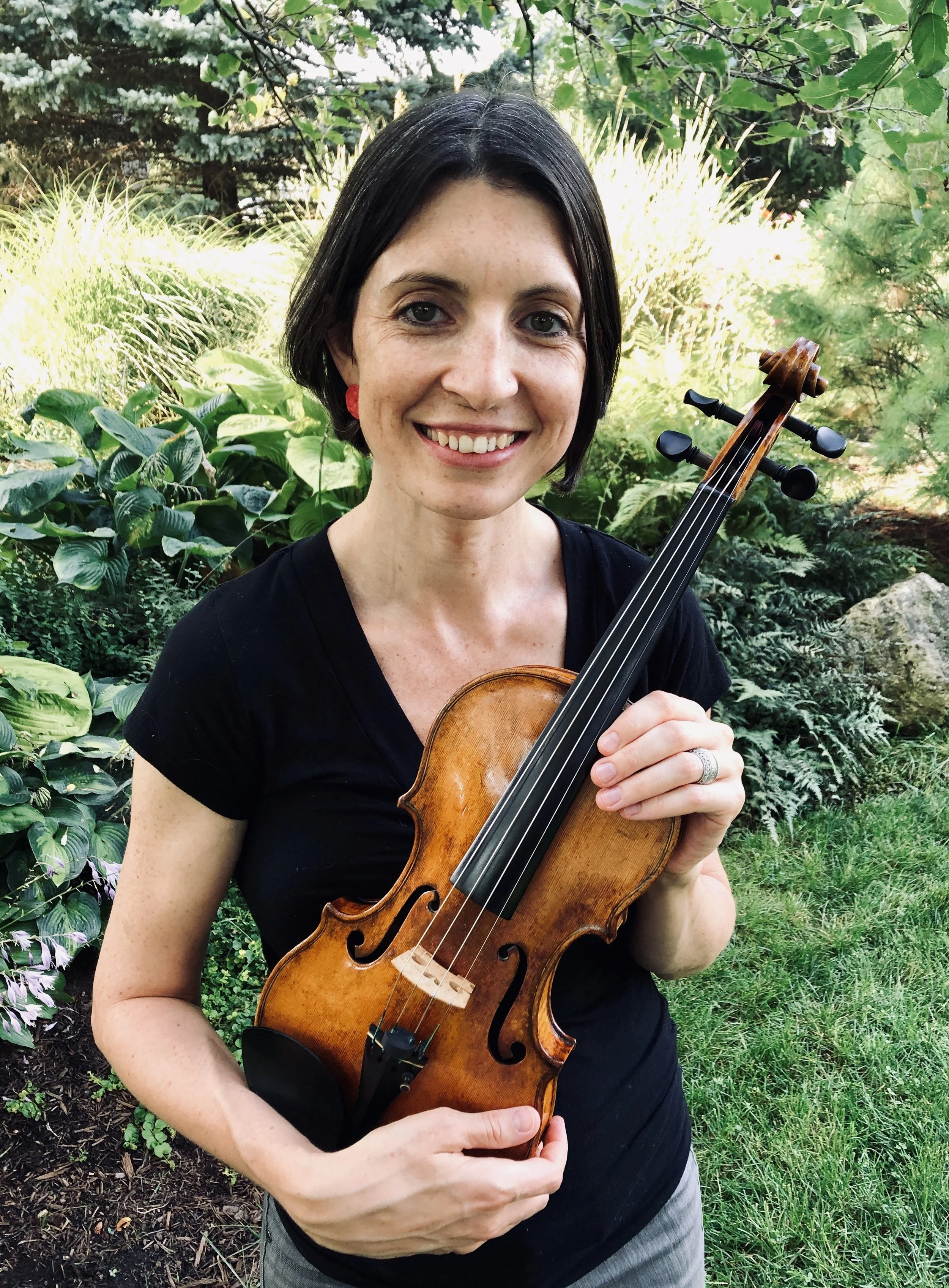
Meet Ms. Austin: Decades of Musical Passion, Guiding Every Student in the Orchestra
“Music expresses that which cannot be said and on which it is impossible to be silent." Meet Ms. Austin, whose 30 years of teaching and lifelong love of music help every student (regardless of experience) find real confidence in the orchestra.
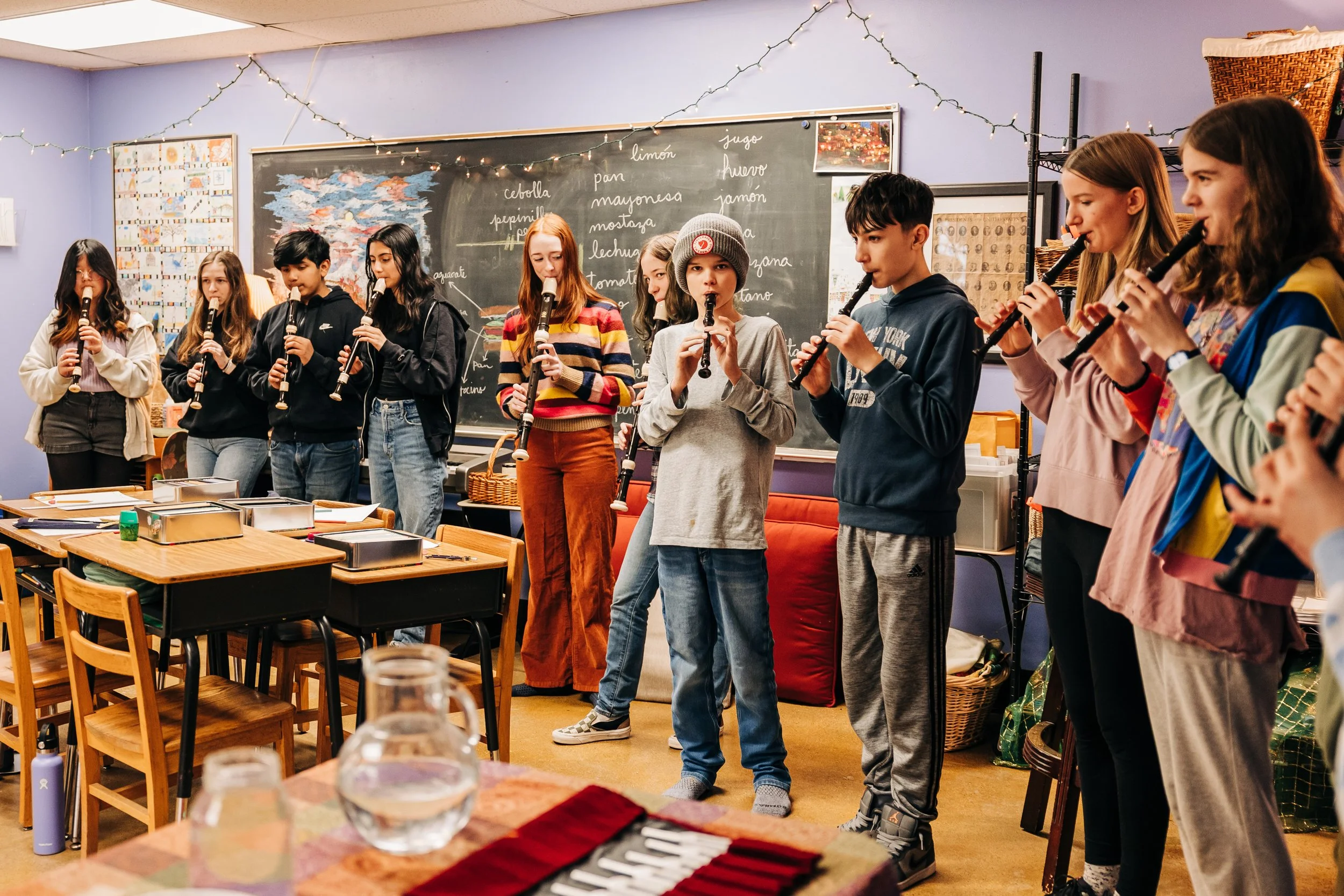
The Benefits of a Middle School Cohort
Middle school is about more than academics. Discover how a blended grade cohort model helps students develop confidence, leadership, meaningful relationships, and lifelong collaboration skills. Families exploring a private middle school near Warrenville, IL can learn why relationship-centered learning creates an environment where students feel supported, challenged, and prepared for the future.
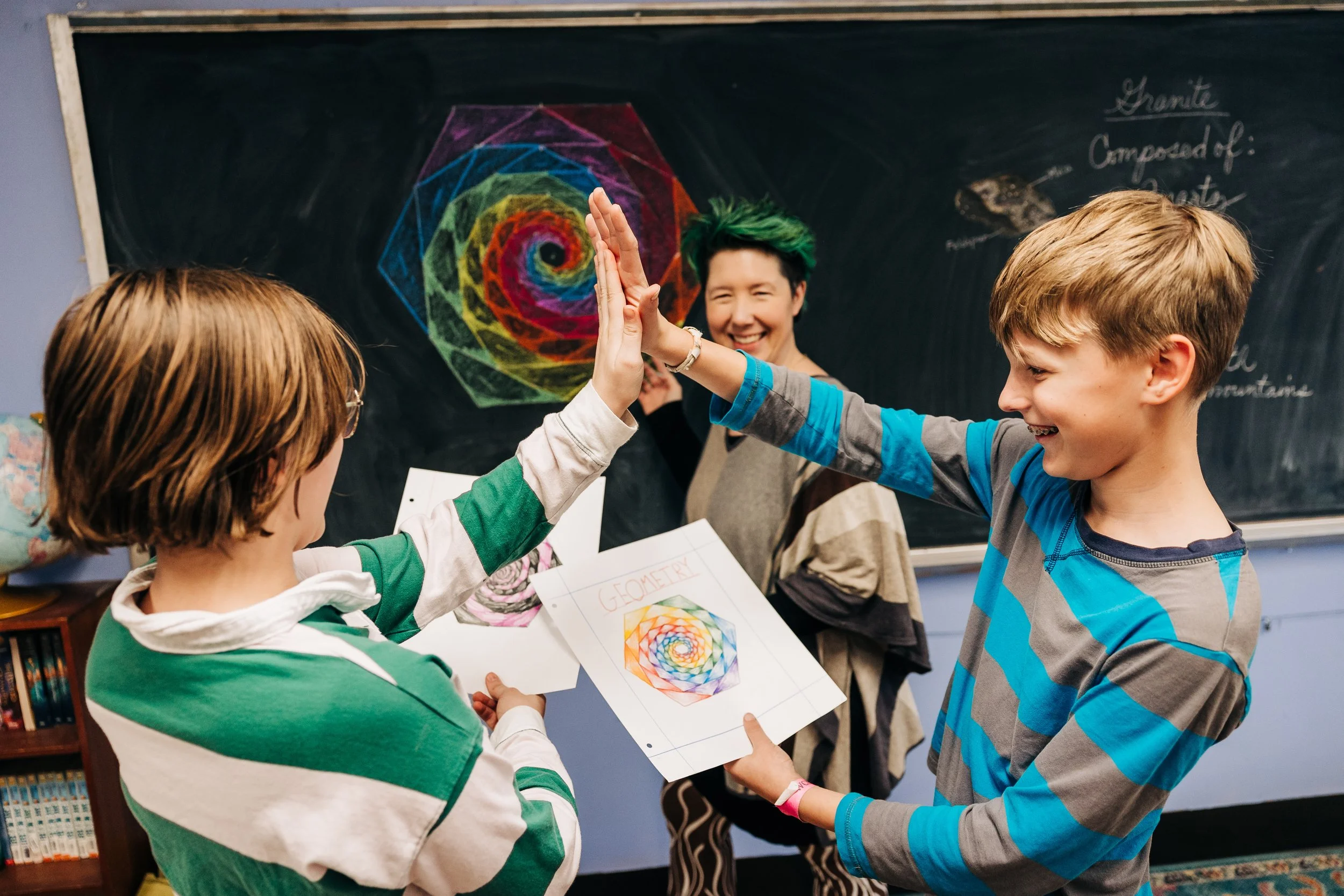
Why Blended Grades Benefit Students in Grades 1–8
What if school helped students build confidence instead of simply keeping up? Learn how a blended grade cohort model supports academic growth, leadership, meaningful friendships, and social-emotional development. Families exploring a nurturing private school near Warrenville, IL can discover why this innovative approach helps students thrive during the important school years.
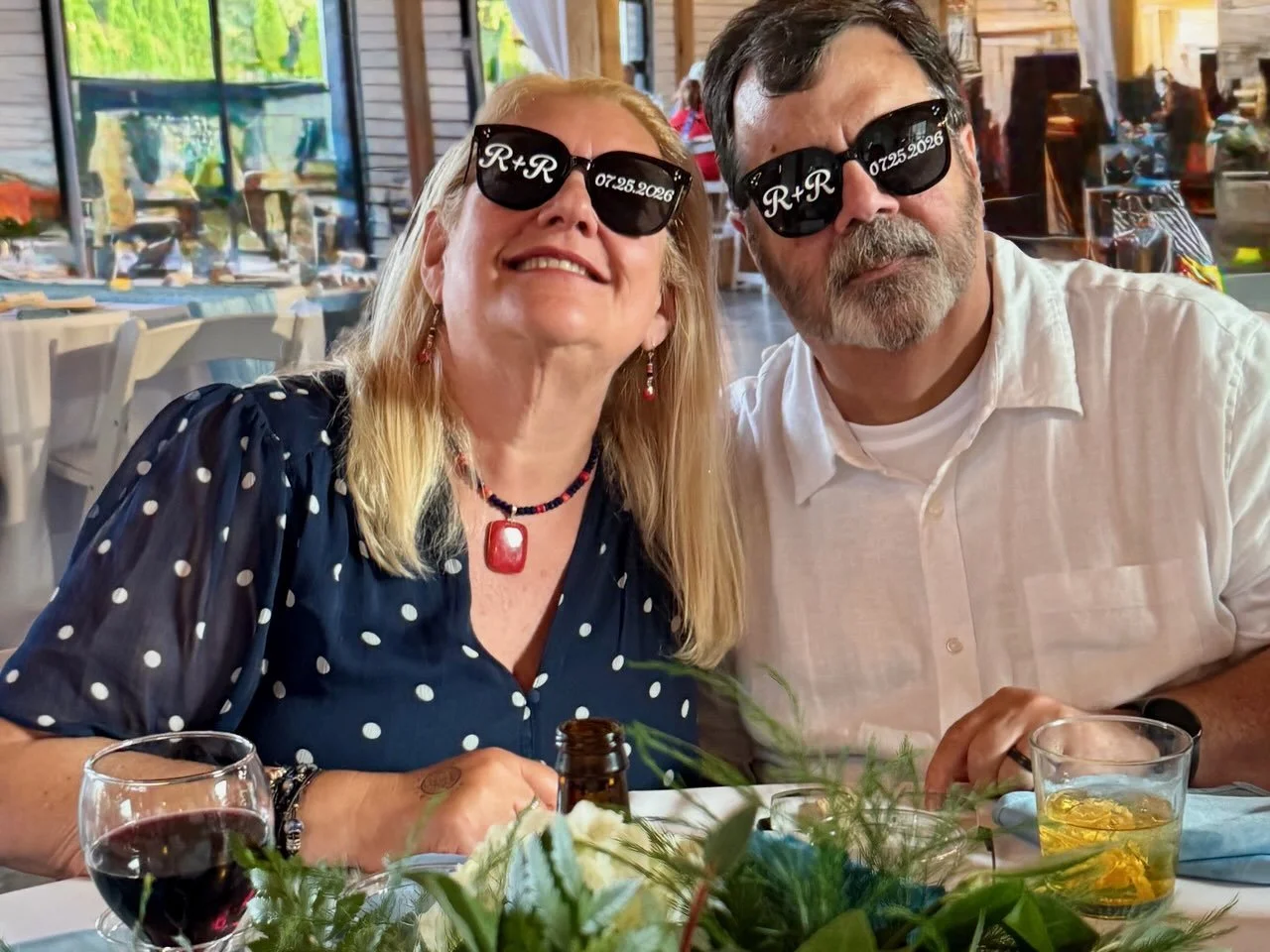
Meet Barbara: The Teacher Who Helped Build Our Roots
She helped build our school from the ground up and decades later, she's still here. Meet Barbara DuRocher, founding teacher, guitar-and-ukulele special subjects teacher, reading tutor, and the reason so many of our classrooms feel well held.
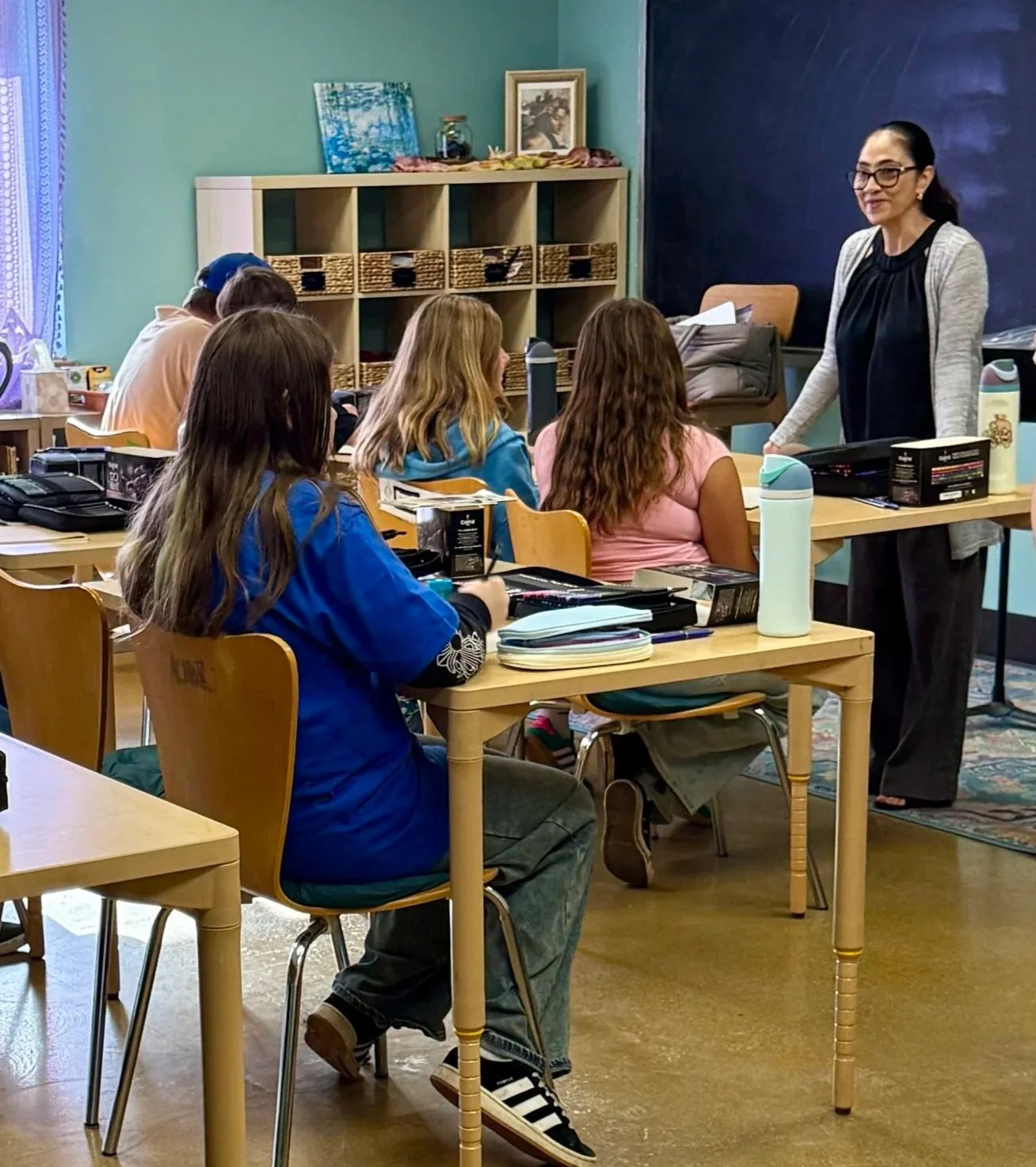
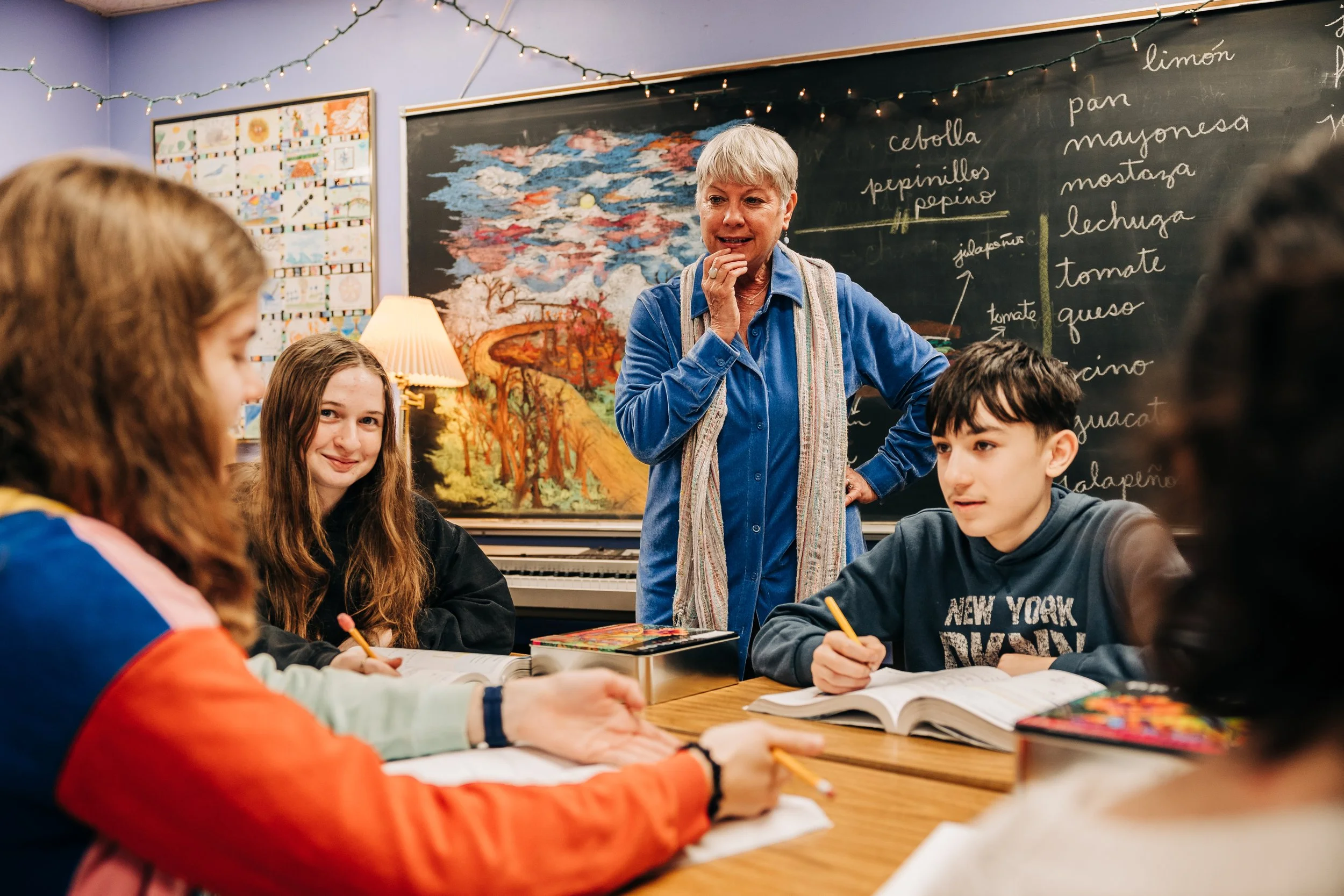
Meet Ms. Alvarez: A Teacher Who Brings Joy and Wonder to the Spanish Classroom
From a future in medicine to two decades of teaching Spanish, Ms. Alvarez has built a program rooted in warmth, respect, and wonder. Get to know the teacher behind the lessons: her philosophy, her favorite season, and what she loves most about working with children.
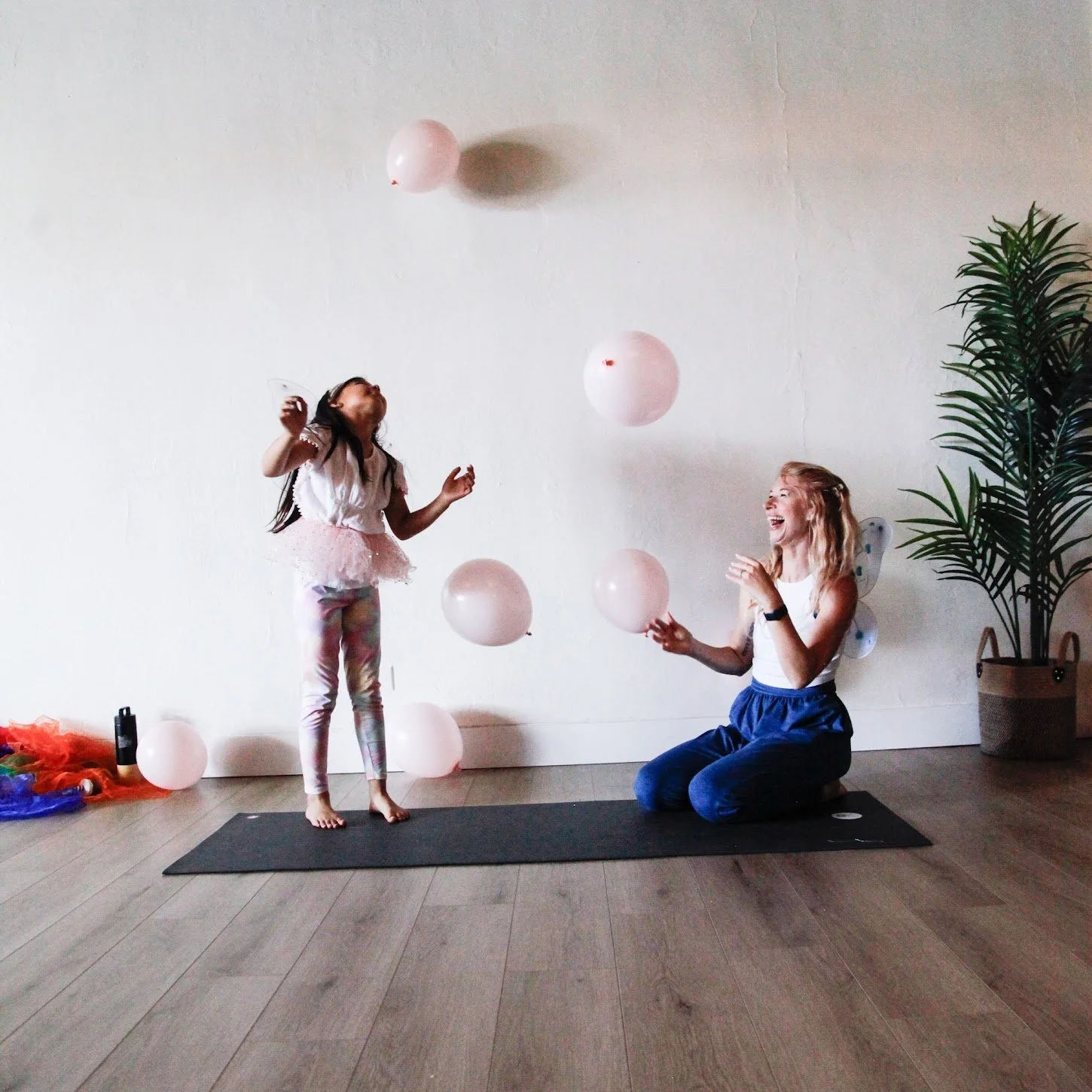
Meet Rachael: A Steady, Playful Presence
There's a particular kind of calm that follows Rachael into a room. The kind that doesn't quiet the energy of a group of children so much as give it somewhere good to go. With a background in yoga, mindfulness, and archery, she's spent years learning how to be both playful and grounded at once. Get to know the teacher behind the calm.

Delaying Smartphones for Middle Schoolers: What’s Developmentally Appropriate vs. Culturally Rushed
Parents feel the pressure to give their child a smartphone before they’re truly ready. New research from the American Academy of Pediatrics shows that early phone use can impact sleep, mental health, and healthy development. This article offers supportive, research-informed guidance to help families choose what’s developmentally appropriate over what’s culturally rushed.
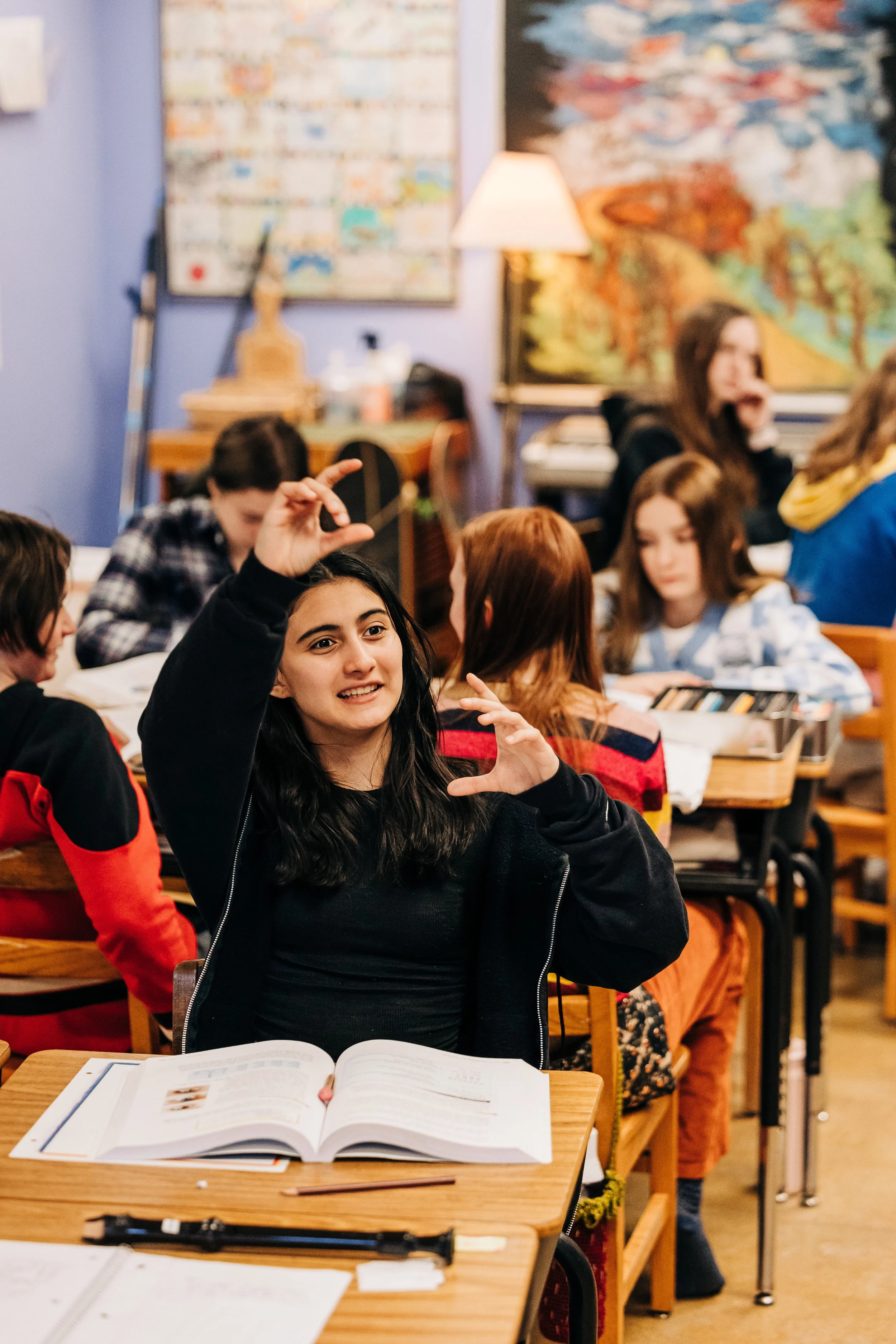
The Long Game: How Waldorf’s Developmental Approach Delivers by 8th Grade
The studies are clear. Waldorf middle school students are significantly more likely to meet or exceed state standards in both ELA and math compared to their peers in local public and other charter schools.

Social Media & Mental Health: What Middle School Parents Should Know
While social media can be a tool for connection and support, it must be approached with care. The insights from Johns Hopkins experts strongly support what Waldorf educators and parents have long known: children need real-life experiences, deep sleep, and emotional presence to thrive.
By combining research-backed strategies with the protective structure of WSD’s media-free weekdays, parents can help their children build a lifelong, balanced relationship with technology — one that supports, rather than undermines, their mental health.
Explore Posts by Topic
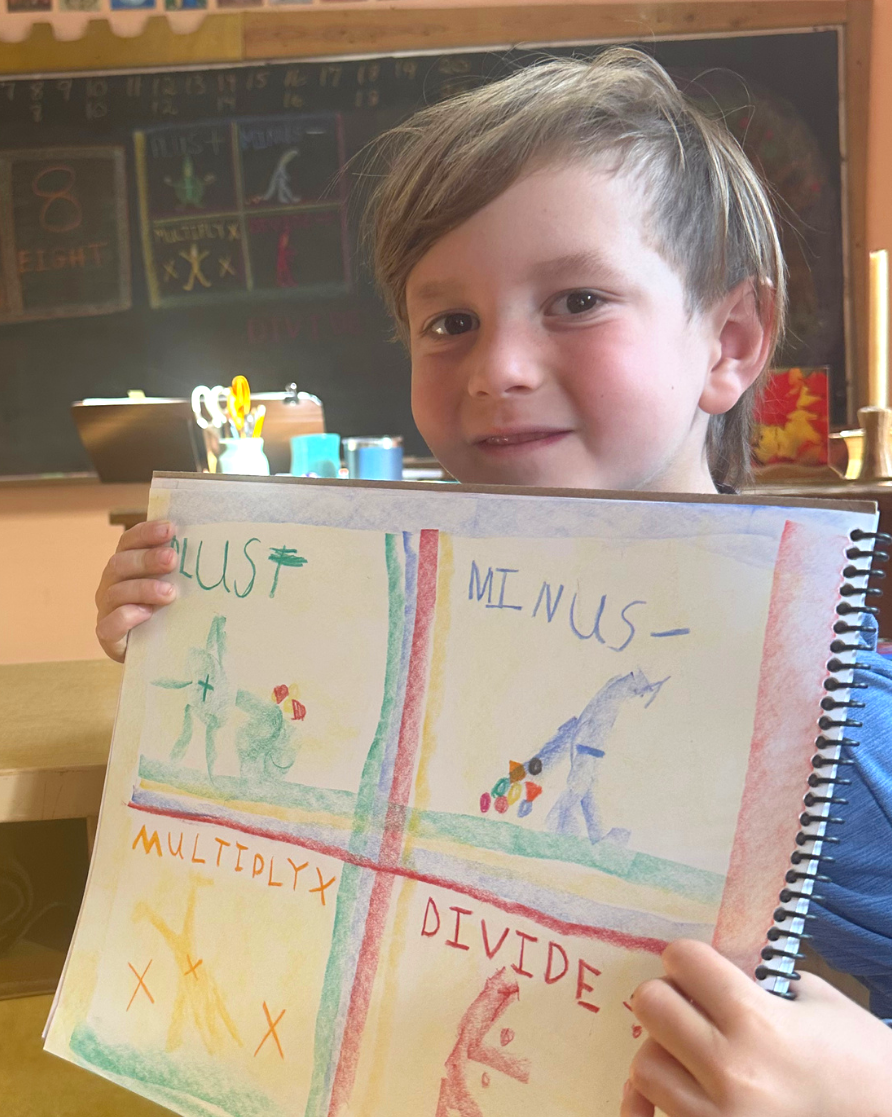
Waldorf Curriculum
Waldorf Teachers

WSD Festivals
Early Childhood

Upper Grades
