
The Windrose Journal
A Waldorf Blog
The Windrose Journal is a grounded, thoughtful space where stories, reflections, and insights from the Waldorf School of DuPage community come together—past, present, and future. Like a compass rose, it helps orient families, educators, and alumni as we navigate the evolving world of Waldorf education and child development. Here, you’ll find a meaningful blend of tradition and innovation, sharing voices that illuminate the heart of our school. Whether you're seeking inspiration, perspective, or connection, The Windrose Journal offers guidance rooted in experience and purpose.
You can explore posts by topic or simply scroll down to see our most recent content. Happy reading!
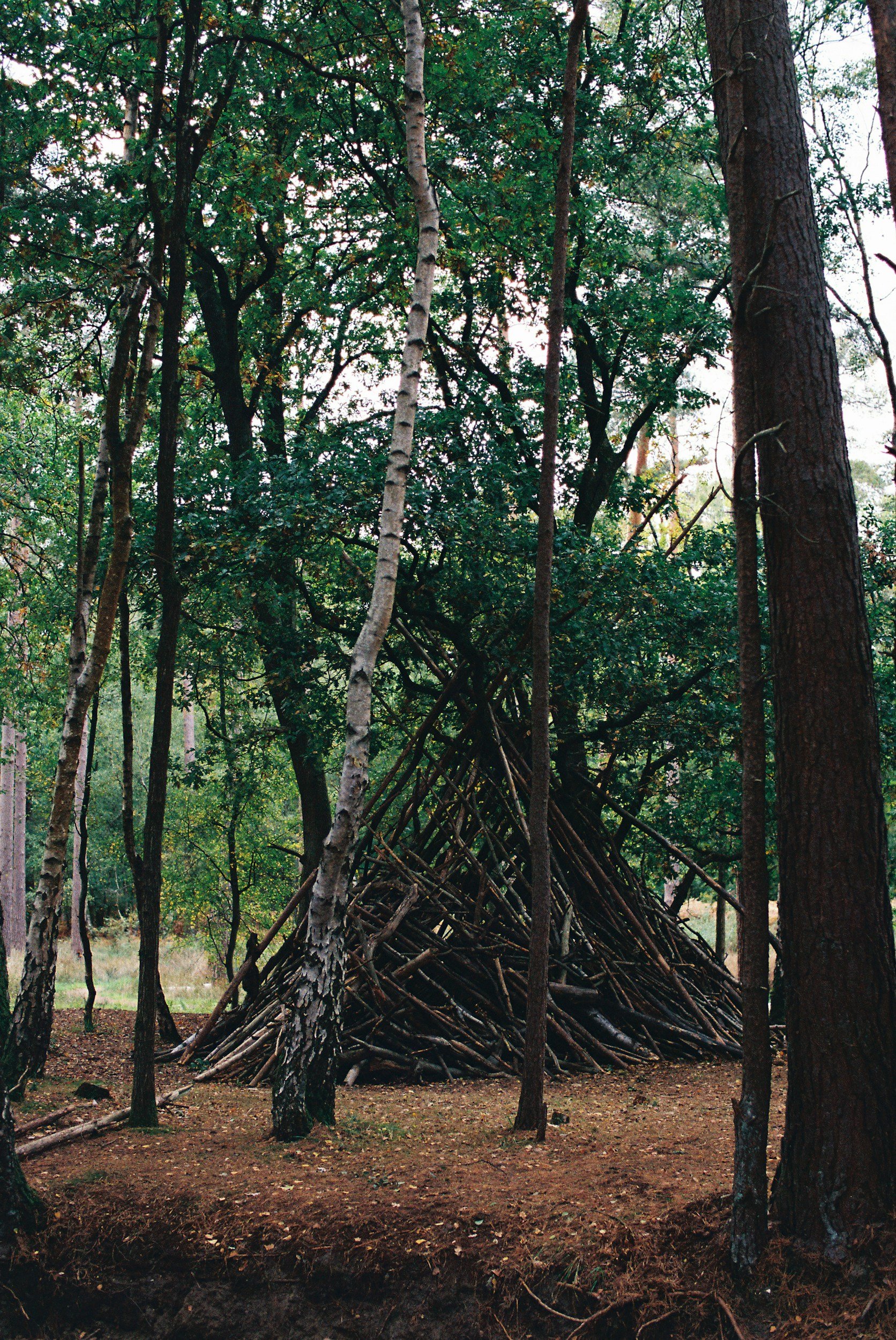
The Lost Art of Summer Boredom
In a world filled with constant entertainment and digital stimulation, boredom has become something many parents try to avoid. But unstructured, unscheduled time is often where creativity, independence, and imagination begin. This article explores why boredom still matters and how it can lead to richer, more meaningful childhood summers.

How to Balance Technology and Connection in Family Life
Modern families are more connected than ever, but many parents are longing for a home life that feels calmer and less digitally overwhelming. This article explores simple, realistic ways to create healthier technology boundaries while still balancing the demands of modern life.

Presence Is Enough: A Gentle Reminder for Summer Parenting
In a world filled with summer bucket lists and pressure to constantly entertain children, it can be easy for parents to feel overwhelmed. But young children do not need perfectly planned days to thrive. This Waldorf-inspired reflection explores how presence, rhythm, simplicity, and slowness create the kinds of summer memories children carry for a lifetime.
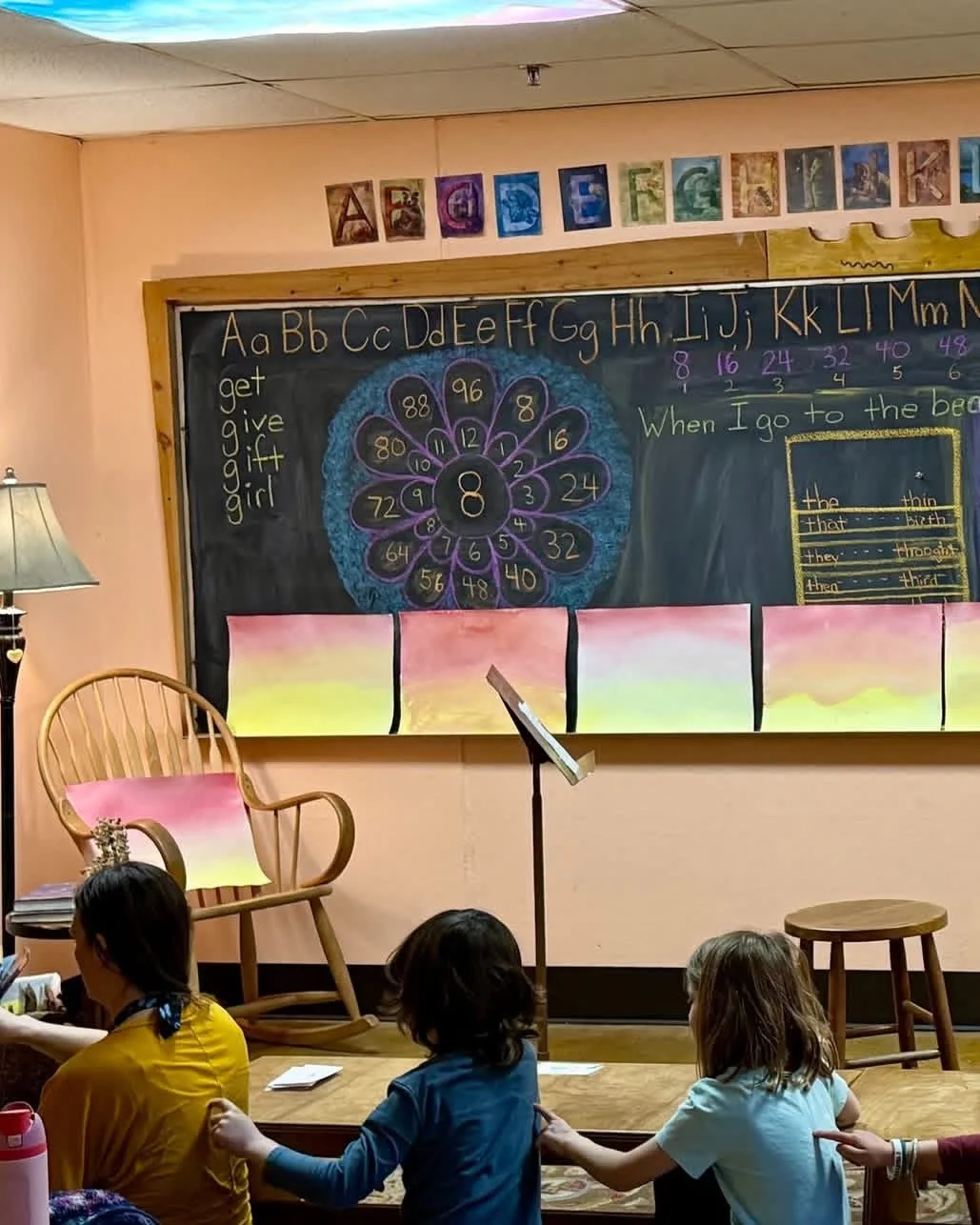
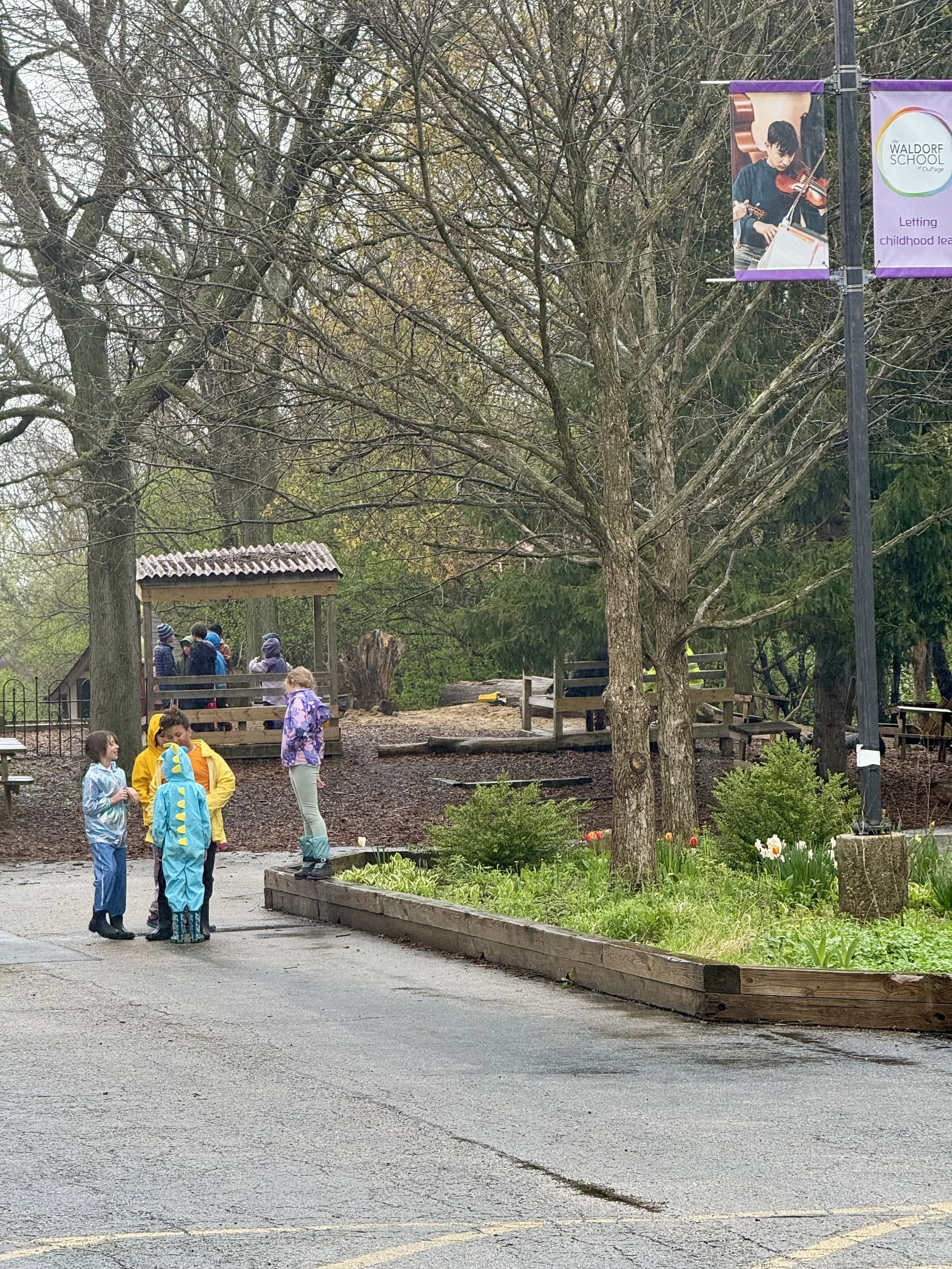
What Schools Don’t Use Technology? A Parent’s Guide to Low-Tech Education
Discover which schools limit or avoid technology, including Waldorf, Montessori, and nature-based programs. Learn the benefits of low-tech education and whether it’s right for your child.
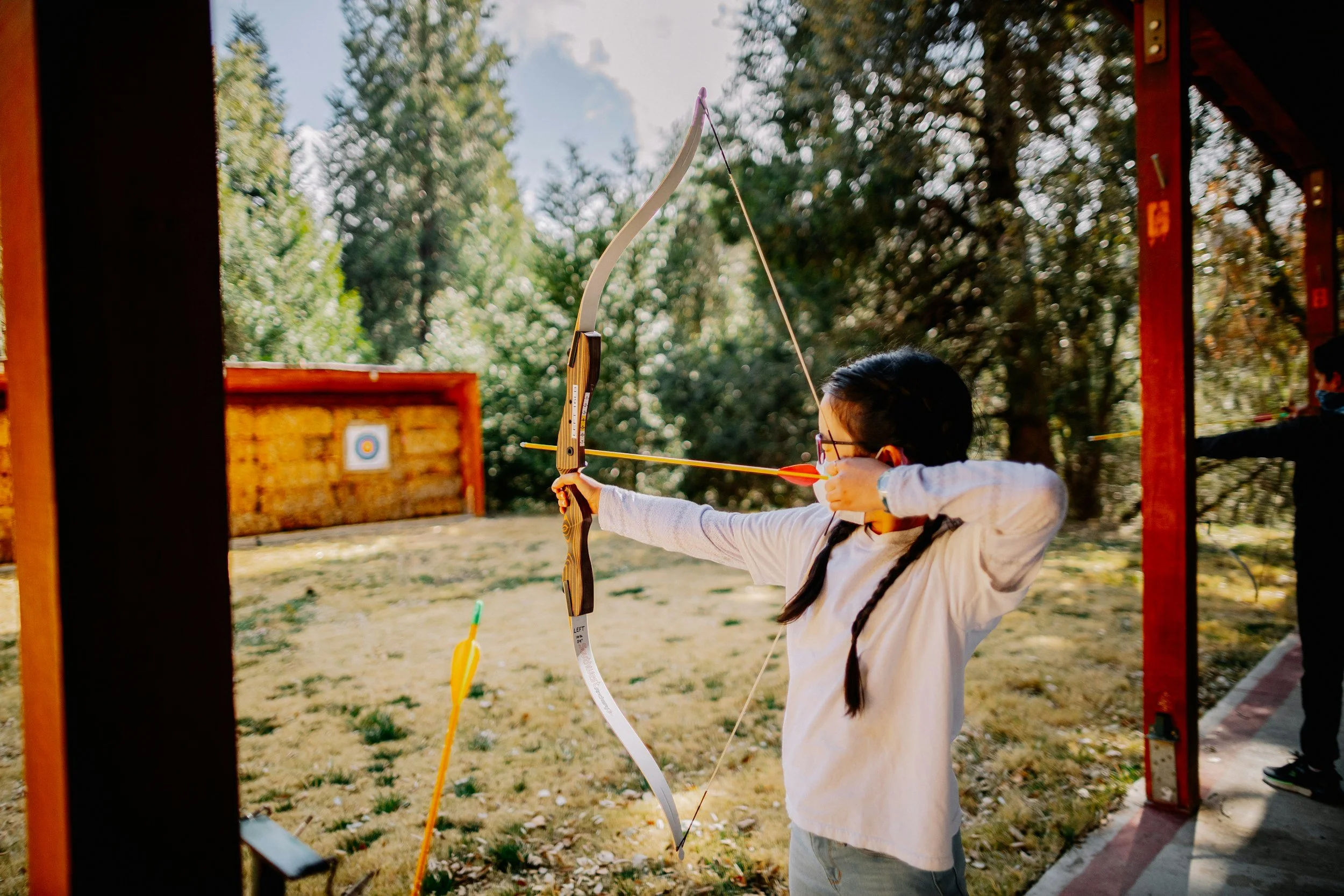
Life Skills for 6th Graders: Screen-Free Ways to Build Confidence and Connection
While it’s important to foster independence in middle schoolers, they still deeply need structure, warmth, and connection with trusted adults. The goal isn’t to push them away — it’s to give them opportunities to stretch while knowing you’re right there cheering them on.
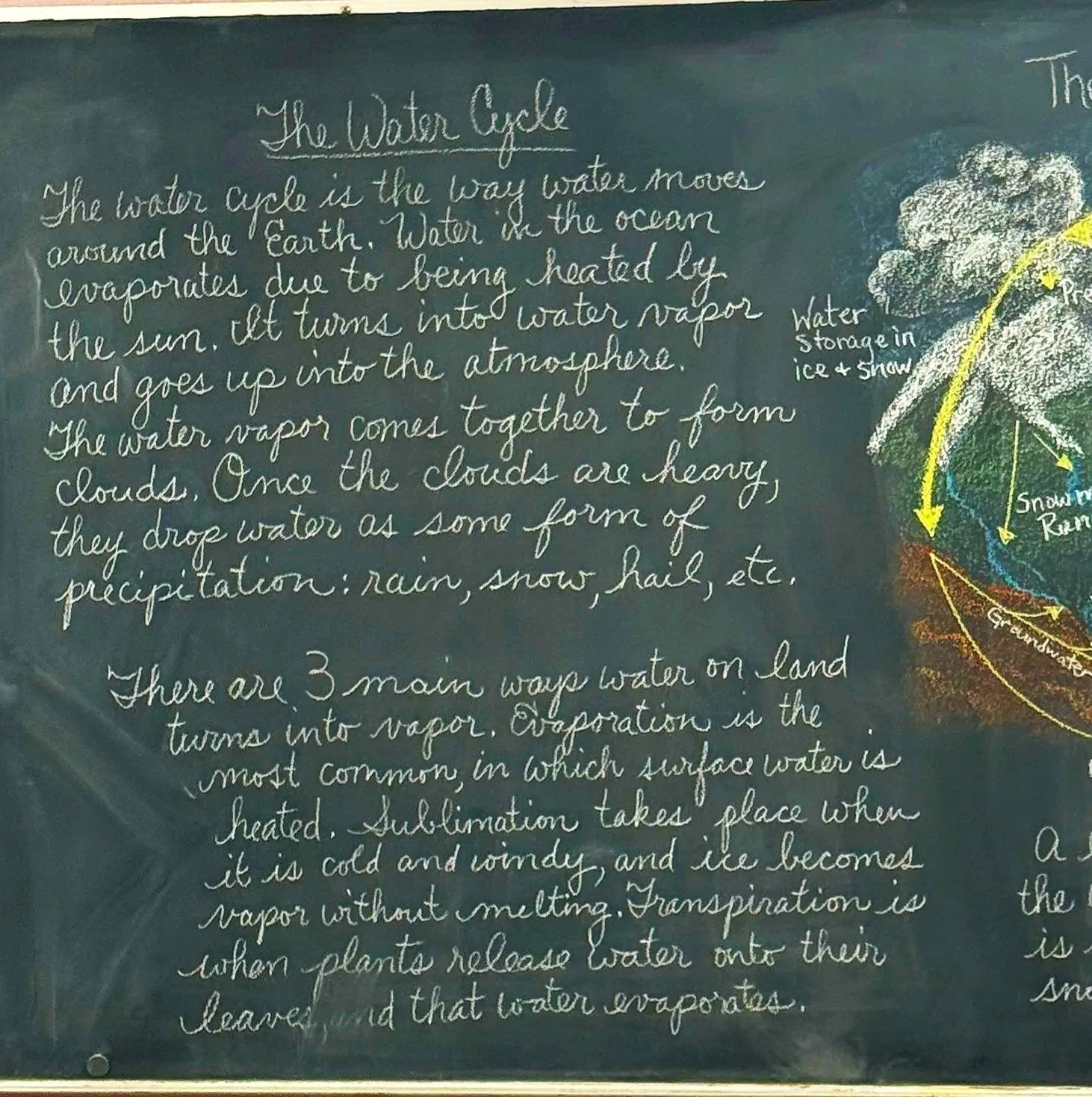
Why How Children Learn Matters More Than Ever
In a digital-first world, research shows that how children learn matters more than ever. Discover why handwriting, cursive, and a low-screen Waldorf education support deeper thinking, stronger literacy, and long-term academic success.

Delaying Smartphones for Middle Schoolers: What’s Developmentally Appropriate vs. Culturally Rushed
Parents feel the pressure to give their child a smartphone before they’re truly ready. New research from the American Academy of Pediatrics shows that early phone use can impact sleep, mental health, and healthy development. This article offers supportive, research-informed guidance to help families choose what’s developmentally appropriate over what’s culturally rushed.

Main Lesson Books: Where Beauty Meets Deep Learning in Waldorf Education
Main Lesson Books serve as a dynamic record of each child’s academic journey. Rather than assessing learning solely through tests or quizzes, teachers can see how students internalize concepts through the work they produce. Every page offers insight into a child’s comprehension, reasoning, and ability to apply knowledge creatively.
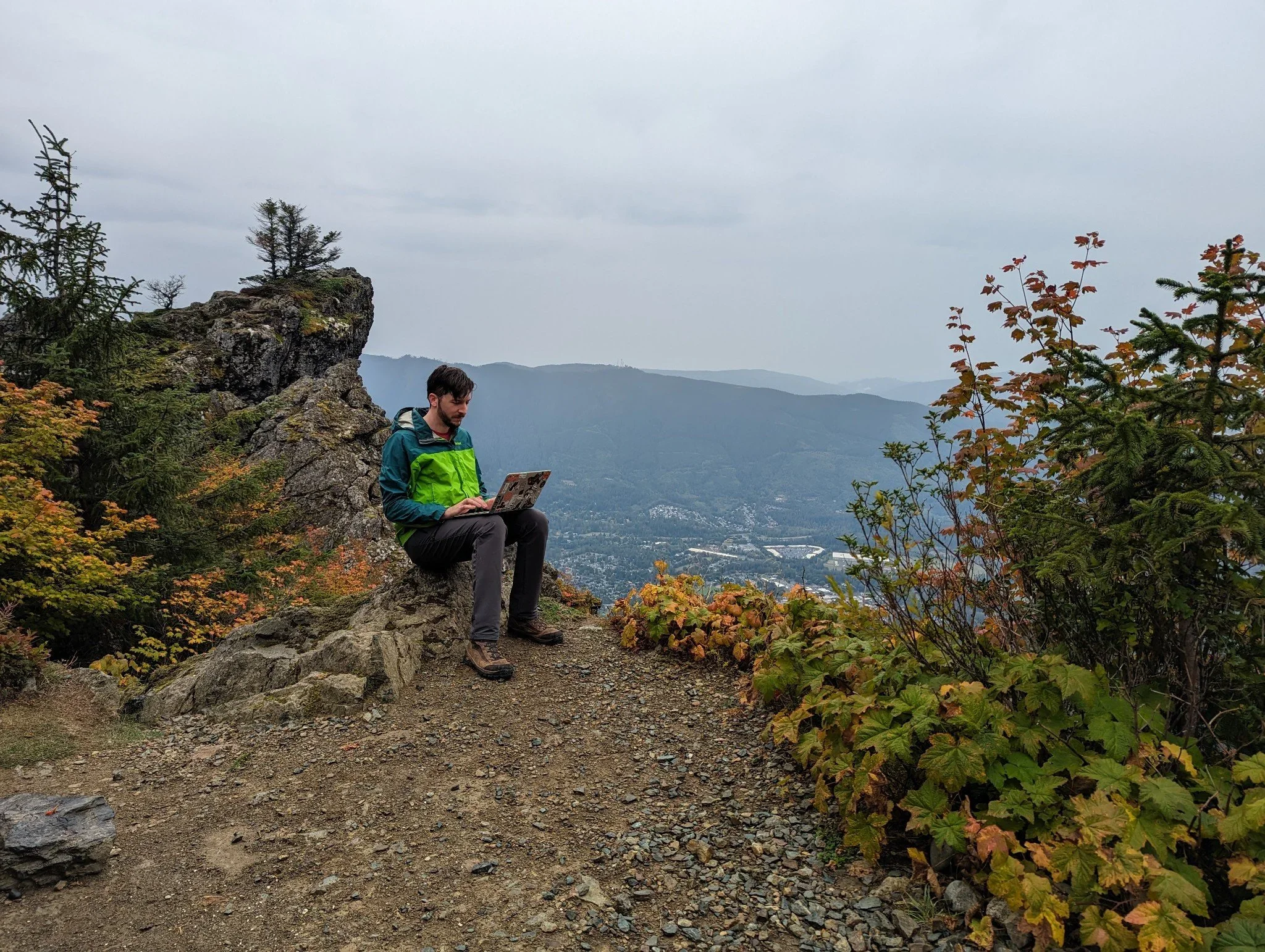
The Power of Hands-On Learning: Reflections on Waldorf Education
As a Senior Software Engineer at Amazon Web Services, my work now revolves around solving complex real world problems through theoretical knowledge and practical implementation… The school gave me the mindset to approach challenges with curiosity and creativity. It encouraged me to deconstruct problems and figure out how things work—a mindset that was essential when I transitioned to high school and beyond.
Explore Posts by Topic
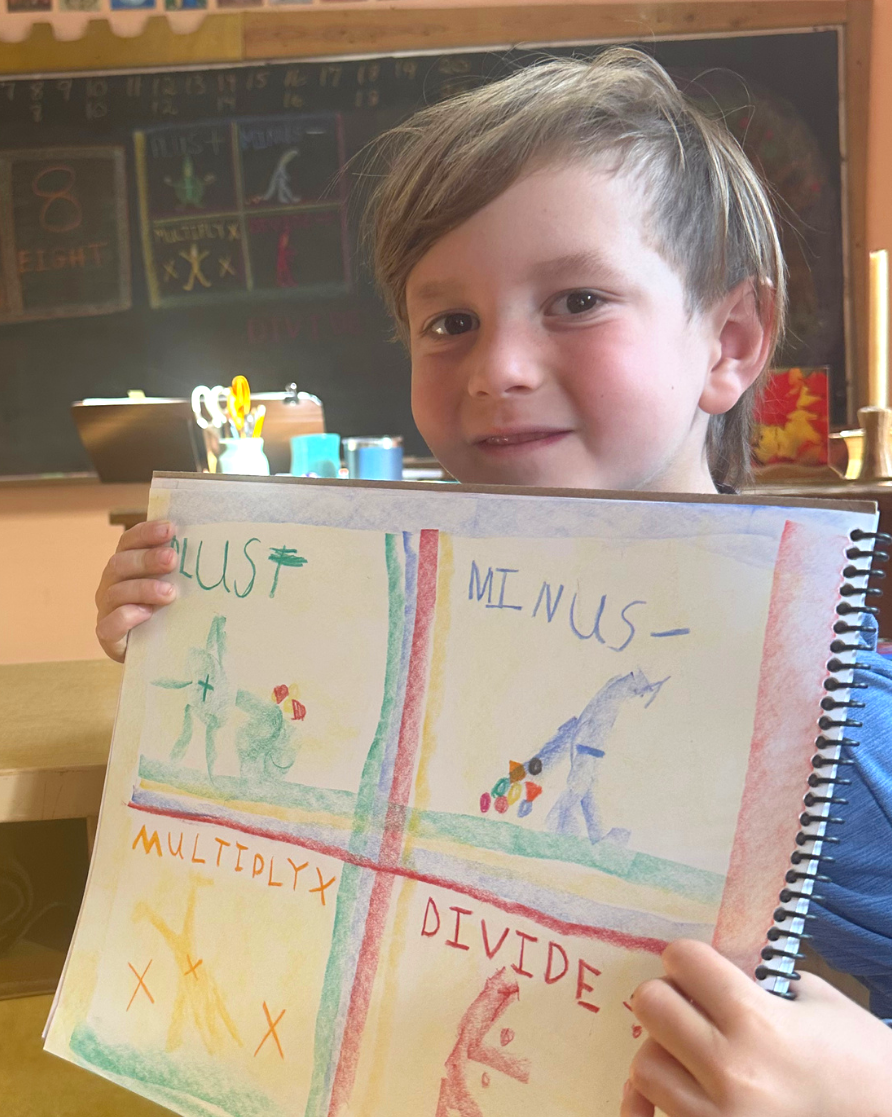
Waldorf Curriculum
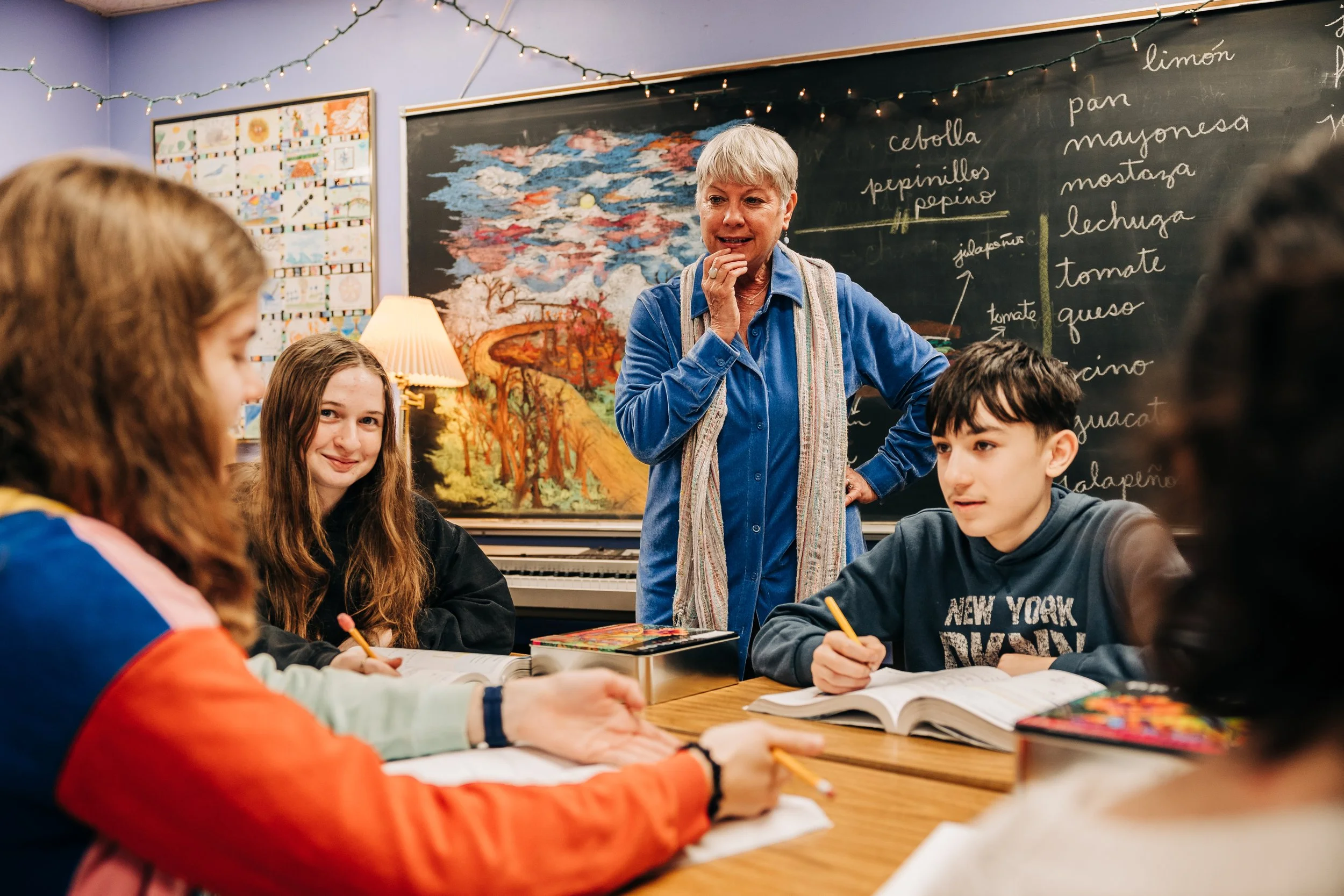
Waldorf Teachers

WSD Festivals
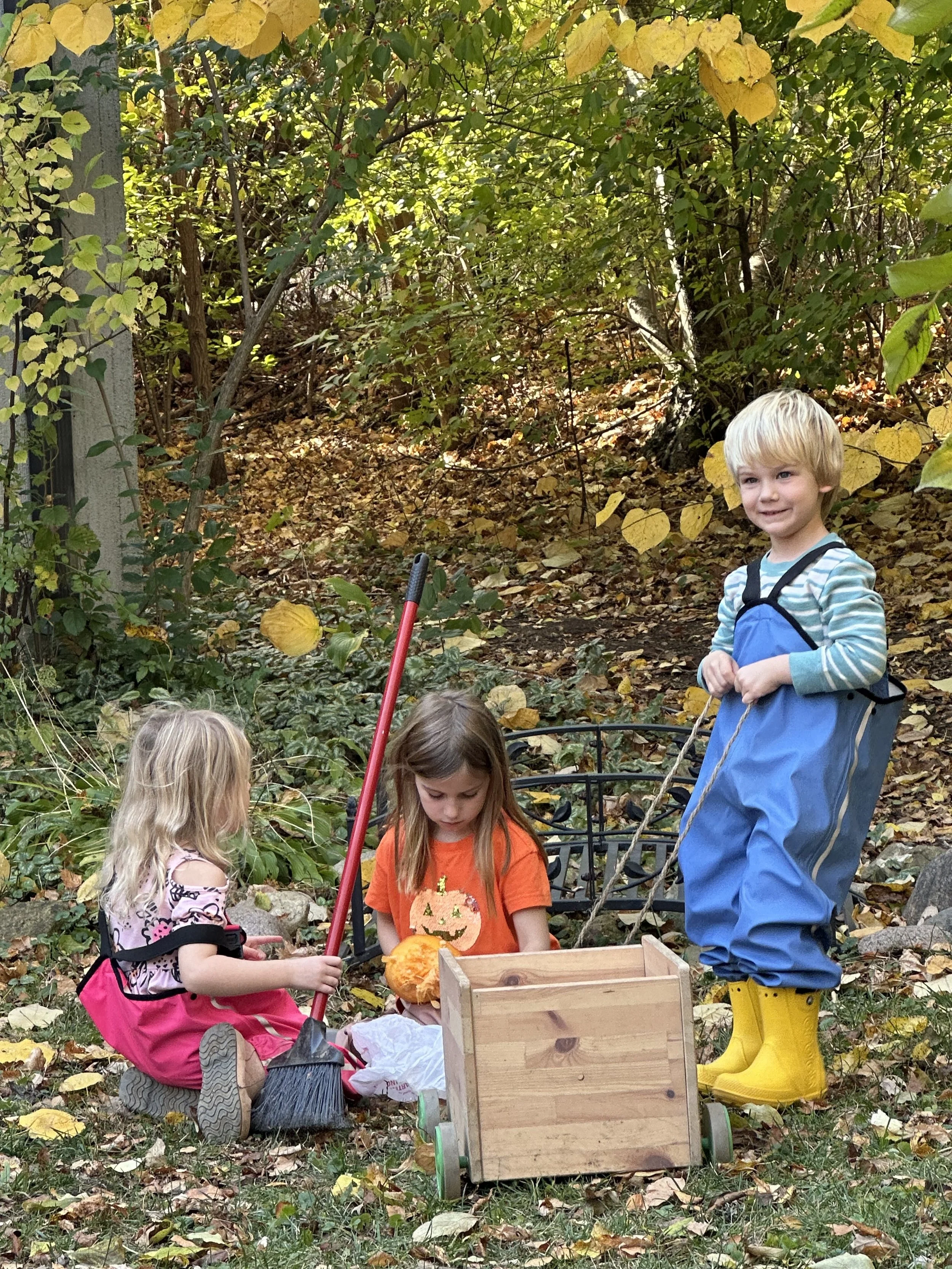
Early Childhood

Upper Grades
