
The Windrose Journal
A Waldorf Blog
The Windrose Journal is a grounded, thoughtful space where stories, reflections, and insights from the Waldorf School of DuPage community come together—past, present, and future. Like a compass rose, it helps orient families, educators, and alumni as we navigate the evolving world of Waldorf education and child development. Here, you’ll find a meaningful blend of tradition and innovation, sharing voices that illuminate the heart of our school. Whether you're seeking inspiration, perspective, or connection, The Windrose Journal offers guidance rooted in experience and purpose.
You can explore posts by topic or simply scroll down to see our most recent content. Happy reading!

What Schools Don’t Use Technology? A Parent’s Guide to Low-Tech Education
Discover which schools limit or avoid technology, including Waldorf, Montessori, and nature-based programs. Learn the benefits of low-tech education and whether it’s right for your child.

Creating a Home That Invites Independent Play
When the environment is set up with intention, children don’t need to ask what to do or wait for direction. They begin on their own and stay longer. Less screen time doesn’t come from restrictions at this age. It comes from a space that quietly says, “You can start here.”

Rethinking Rigor, Part 2: How Waldorf Education Delivers Deep, Joyful Academic Rigor in Grade School
Families exploring private school education often ask: Is Waldorf rigorous? While it may look different from traditional models, Waldorf grade schools cultivate deep academic rigor through immersion, synthesis, disciplined thinking, and meaningful challenge. Here’s how rigor, joy, and beauty work together to build strong, capable learners.

Rethinking Rigor: A Different Story Than the One We’ve Been Told
When parents hear the word “rigor,” they often picture heavy textbooks and long homework hours. But true academic rigor isn’t defined by volume or speed. It’s rooted in how students think — how they analyze, question, revise, and apply what they learn. If we want children to develop lasting skills like critical thinking and creative problem-solving, we must rethink what rigor really means.

Candlemas: Holding the Light Between Winter and Spring
Candlemas marks a quiet turning of the year, when winter still surrounds us but the returning light can finally be felt. This gentle festival of light supports children during late winter, nurturing patience, inner warmth, and trust in the rhythms of nature.

Why a Spiral Curriculum Matters for Your Child
Waldorf education uses a spiral curriculum, meaning children return to important ideas again and again as they grow; each time with deeper understanding. This developmentally informed approach supports confidence, curiosity, and lasting learning for children and families world-wide, including the Chicago suburbs.

Life Skills for 6th Graders: Screen-Free Ways to Build Confidence and Connection
While it’s important to foster independence in middle schoolers, they still deeply need structure, warmth, and connection with trusted adults. The goal isn’t to push them away — it’s to give them opportunities to stretch while knowing you’re right there cheering them on.

Developmentally Appropriate Education Matters
Understanding what developmentally appropriate education looks like in the elementary years can make all the difference when choosing an educational path for your child. This post explores how honoring children’s natural growth in grades 1-5 supports academic success, emotional well-being, and a lifelong love of learning.

Developmentally Appropriate Education Supports Students Through Middle School (Grades 6–8)
Middle school is a time of rapid growth: academically, emotionally, and physically. For families in the Chicago suburbs, choosing the right educational environment for Grades 6–8 can shape a child’s confidence, curiosity, and readiness for high school. This post explores how developmentally appropriate education meets the unique needs of early adolescents and helps students thrive through the middle school years.

Why Waldorf Schools Introduce Formal Academics in First Grade
Why do Waldorf schools begin formal academics in first grade? At The Waldorf School of DuPage, this intentional, developmentally driven approach supports children’s readiness, confidence, and long-term academic success. Learn how play, imagination, and foundational skills in early childhood prepare students to thrive when formal learning begins.
Explore Posts by Topic
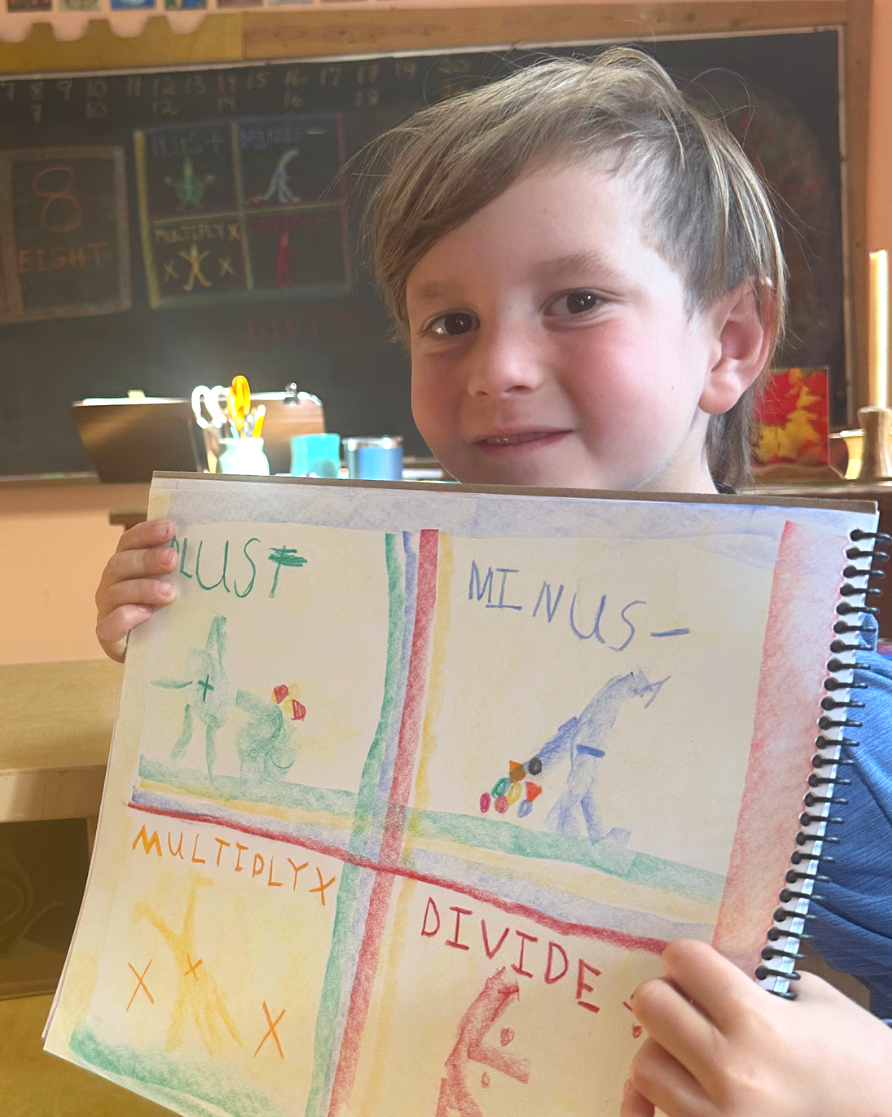
Waldorf Curriculum
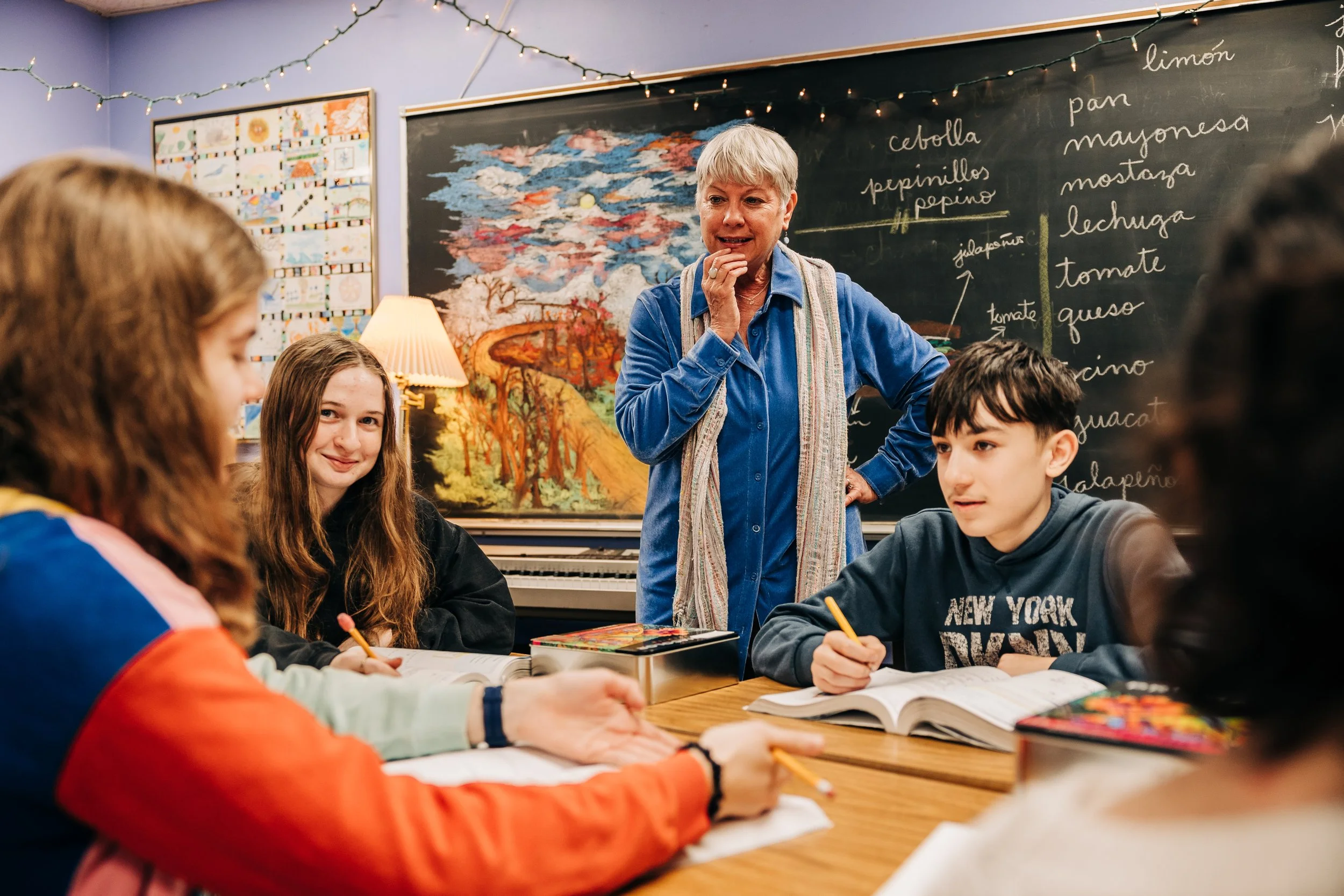
Waldorf Teachers

WSD Festivals
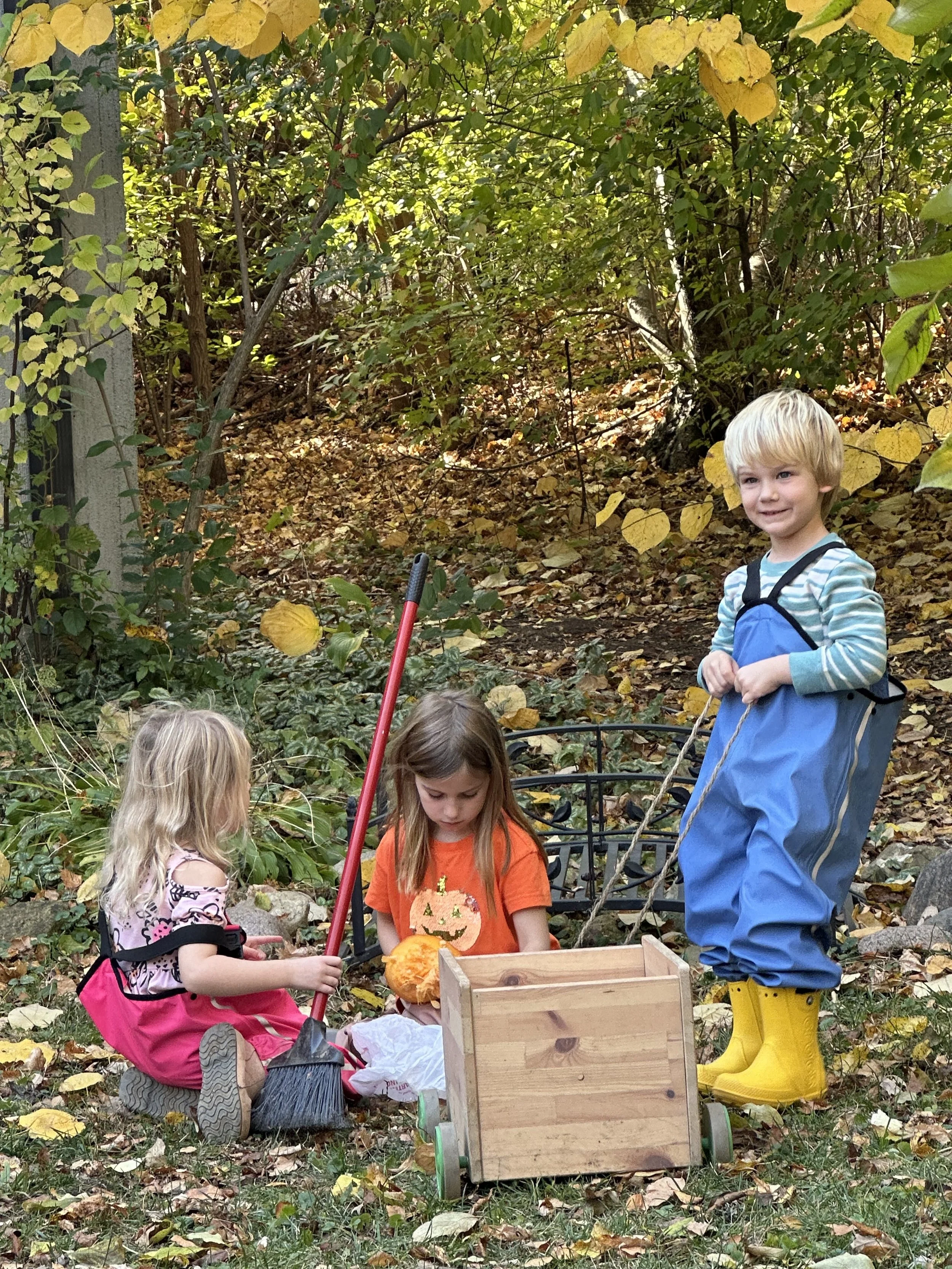
Early Childhood

Upper Grades
