
Candlemas: Holding the Light Between Winter and Spring
In the Waldorf tradition, Candlemas is a quiet but deeply meaningful festival. Celebrated on February 2nd, Candlemas marks the subtle turning point of the year when winter still surrounds us, yet the returning light can finally be felt. Unlike more outwardly joyful festivals, Candlemas does not announce itself with excitement or spectacle. Instead, it lives in mood and gesture. It asks us to notice something small but profound: the light is growing again. Not dramatically, not all at once, but faithfully.
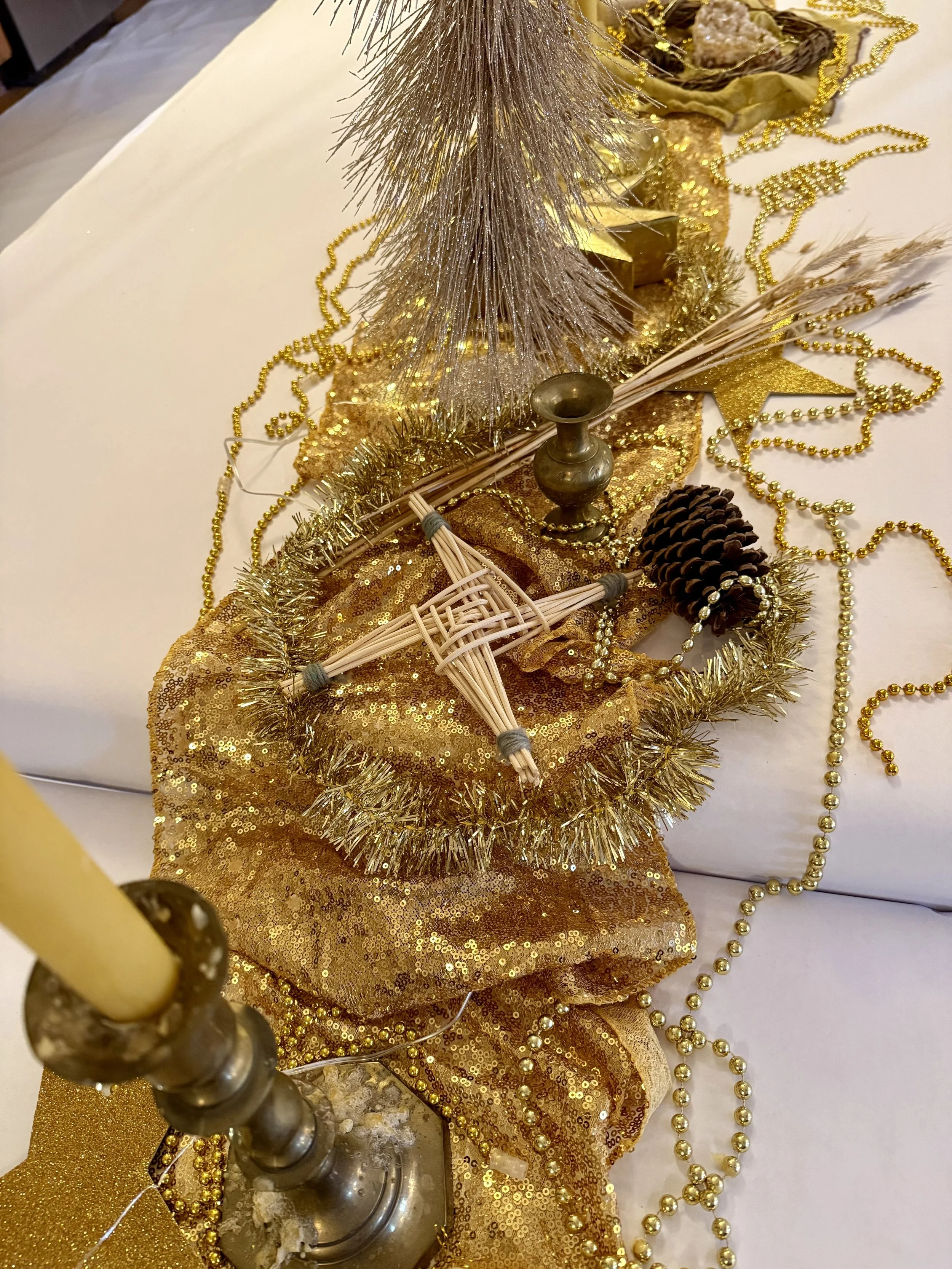
Candlemas is less about outward celebration and more about nurturing inner warmth, patience, and trust in the rhythms of nature. It offers a gentle way to support children (and ourselves) during one of the longest, darkest stretches of the year.
Candlemas as a Seasonal Festival of Light
Candlemas has its roots in both Christian tradition and ancient seasonal observances, but in Waldorf education, it is approached primarily as a seasonal festival of light. It reflects the moment when the days begin to grow noticeably longer and the earth quietly prepares for spring. What makes Candlemas unique among Waldorf festivals is its restraint. Rather than marking a dramatic change, Candlemas honors gradual transformation. It acknowledges that meaningful change often begins invisibly.
This quality makes Candlemas especially appropriate for young children, who experience the world through sensory impressions, repetition, and rhythm rather than abstract explanations. Children do not need to be told that winter is turning toward spring; they feel it through warmth, light, and atmosphere.
Why Candlemas Is Important for Children
Late winter can be a challenging time for children. The excitement of the winter holidays has passed, outdoor play may still be limited, and spring feels far away. Many children experience restlessness, fatigue, or a sense of disorientation during this time. Candlemas meets children exactly where they are.
Children receive reassurance through simple, repeated gestures—lighting a candle, hearing a familiar verse, seeing a flame glowing against the darkness. The message is not spoken directly, but it is deeply felt: the light is growing, even if we cannot yet see it clearly.
This experience supports children on multiple levels:
Emotionally, it provides comfort and stability during a season that can feel long and uncertain.
Physically, it works with children’s sensitivity to light, warmth, and rhythm.
Developmentally, it reinforces trust in process, something essential to healthy growth.
Candlemas offers children an important message: change unfolds in its own time, and waiting has value.
How Waldorf Schools Celebrate Candlemas
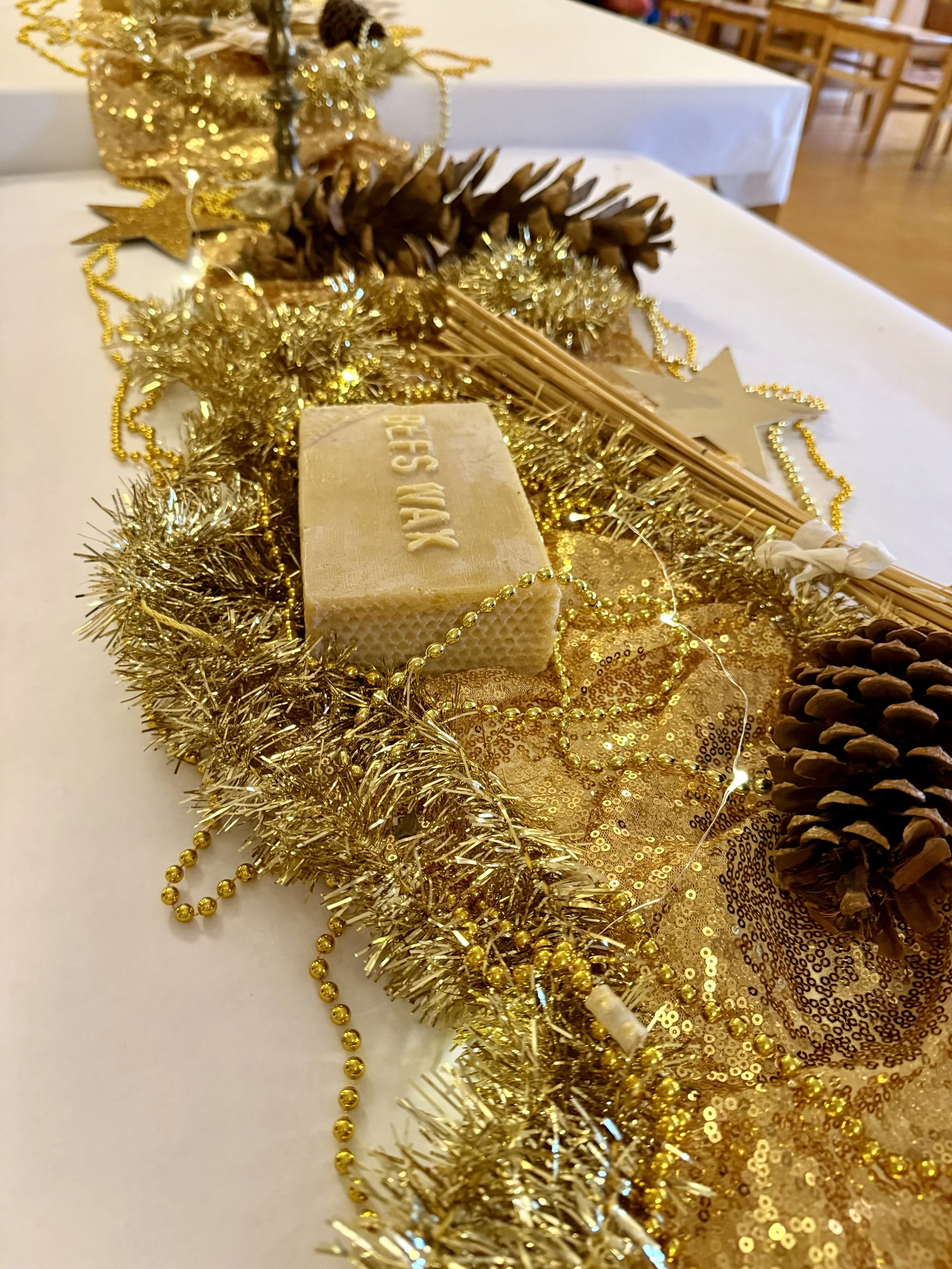
In Waldorf schools, Candlemas is typically observed as a school-wide or class-based festival, held with a mood of quiet reverence. While details vary by school and age group, the essence remains the same. Children may gather in dimmed rooms or halls, where candlelight becomes the central image. Familiar verses, songs, or simple stories are shared allowing familiarity and repetition to deepen the experience. The lighting of candles, sometimes one by one, makes visible the idea of growing light.
Importantly, Candlemas is not performative. It is not about presenting something to an audience, but about participation. Children are invited to be present, to listen, to watch, and to feel the atmosphere of warmth and calm.
For older children, Candlemas can also carry a quiet sense of responsibility and awareness. They may help prepare the space, make the candles, or support younger children, reinforcing the idea that light is something we tend and protect together.
Carrying the Meaning Forward
Candlemas reminds us that even in the depths of winter, change is already underway and that sometimes the most important shifts happen quietly. That is its gift to the children. And, often, to us as well.
