The Windrose Journal
A Waldorf Blog
The Windrose Journal is a grounded, thoughtful space where stories, reflections, and insights from the Waldorf School of DuPage community come together—past, present, and future. Like a compass rose, it helps orient families, educators, and alumni as we navigate the evolving world of Waldorf education and child development. Here, you’ll find a meaningful blend of tradition and innovation, sharing voices that illuminate the heart of our school. Whether you're seeking inspiration, perspective, or connection, The Windrose Journal offers guidance rooted in experience and purpose.
You can explore posts by topic or simply scroll down to see our most recent content. Happy reading!

St. Nicholas Day: A Gentle Waldorf Winter Tradition Rooted in Childhood
Discover how Waldorf schools celebrate St. Nicholas Day with simple, meaningful traditions that support child development and honor the winter season. Learn why this gentle festival—rooted in kindness, rhythm, and natural beauty—plays an important role in the Waldorf curriculum.
Growing Toward the Future: Learning, Listening, and Leading Together
We are proud of how far we’ve come and grateful for the trust and partnership of everyone who walks this path with us. Together, we are cultivating a school that not only educates children with heart and purpose, but also models the same values of growth, courage, and community that we hope to inspire in them.
Building Strong Foundations: Structure in Service of Community
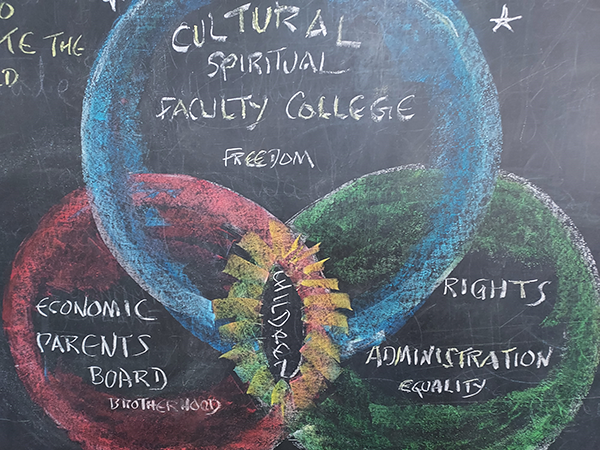
As the old saying reminds us, “good contracts make good friends.” Clear agreements create space for trust, for generosity, and for genuine partnership. They help each of us know where we stand, so that we can focus our energy on what matters most: nurturing the children.
Roots and Renewal: Learning as a Living Process
Every organization, like every human being, grows in stages. Like many schools, we’ve faced moments where our ideals outpaced our structures.

The Waldorf Lantern Walk: A Festival of Light in the Darkness
The Lantern Walk honors the seasonal turning point when we begin to move inward. In Waldorf education, festivals mirror the changing seasons, helping children feel connected to the earth’s cycles. The Lantern Walk often coincides with Martinmas (St. Martin’s Day, November 11), a festival celebrating generosity, warmth, and inner light.

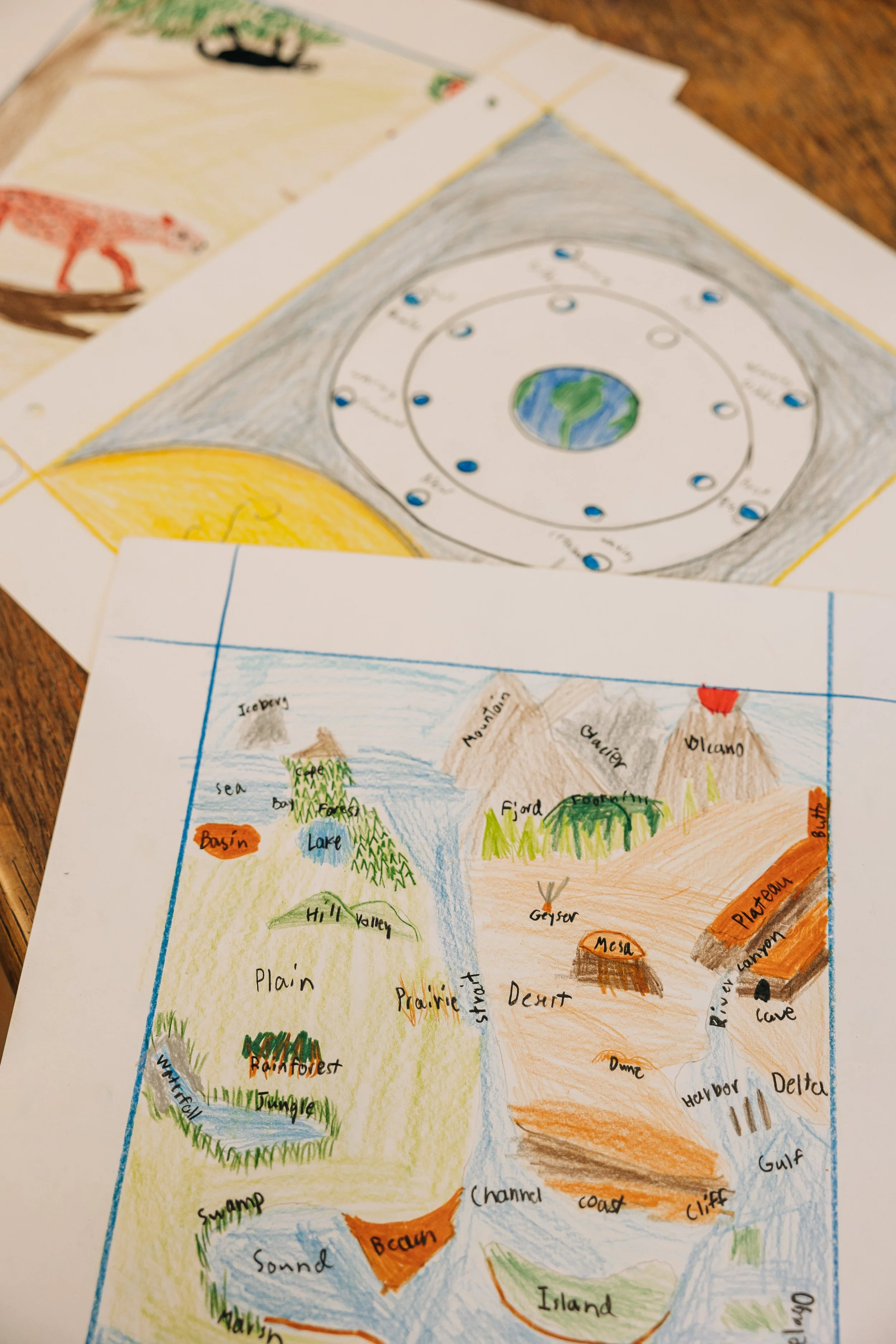
Main Lesson Books: Where Beauty Meets Deep Learning in Waldorf Education
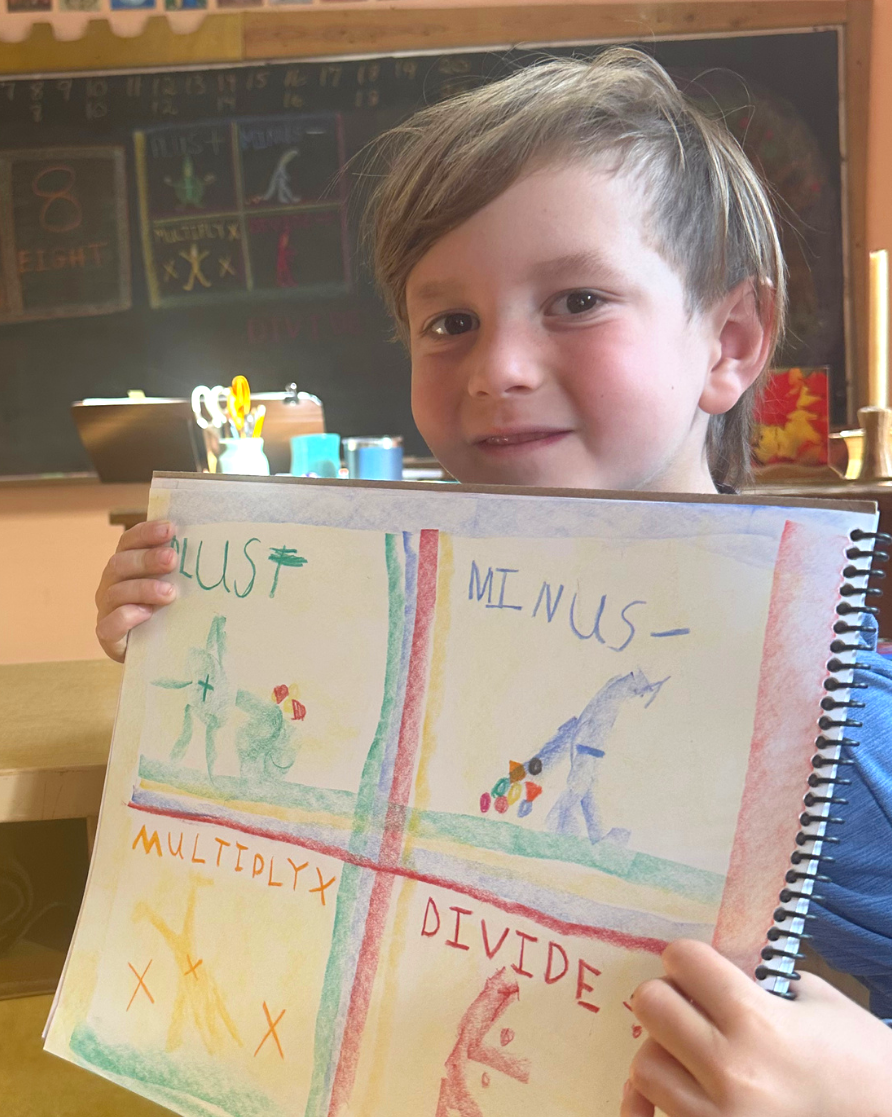
Main Lesson Books serve as a dynamic record of each child’s academic journey. Rather than assessing learning solely through tests or quizzes, teachers can see how students internalize concepts through the work they produce. Every page offers insight into a child’s comprehension, reasoning, and ability to apply knowledge creatively.
The Power of Hands-On Learning: Reflections on Waldorf Education
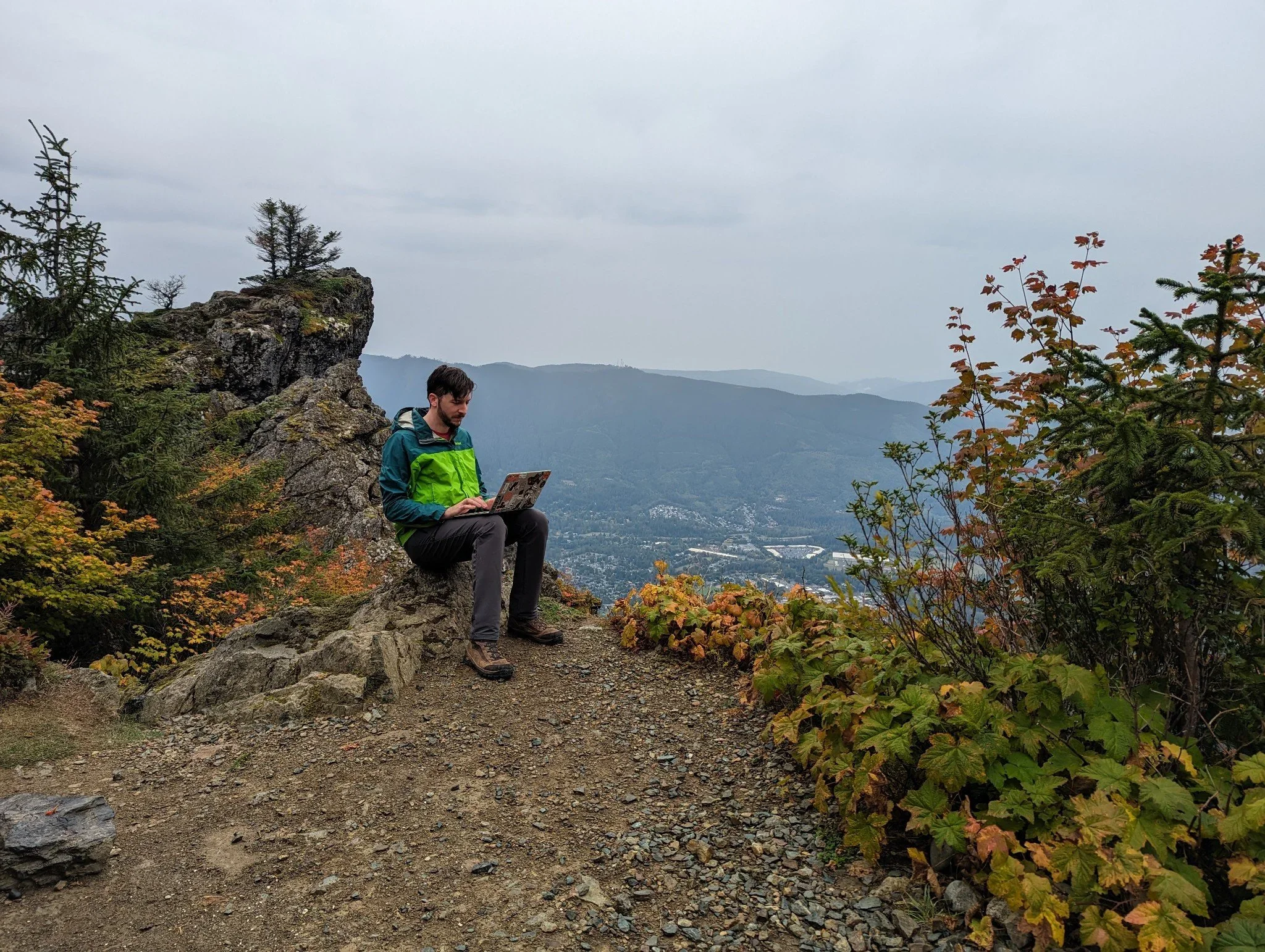
As a Senior Software Engineer at Amazon Web Services, my work now revolves around solving complex real world problems through theoretical knowledge and practical implementation… The school gave me the mindset to approach challenges with curiosity and creativity. It encouraged me to deconstruct problems and figure out how things work—a mindset that was essential when I transitioned to high school and beyond.

Why We Chose Waldorf Education — An Open Letter
Waldorf schools often introduce academic content at a developmentally attuned pace, later in some areas than in many mainstream schools, but with much greater depth and integration.
The Waldorf Approach to Homework: Creating Space for Balance and Connection
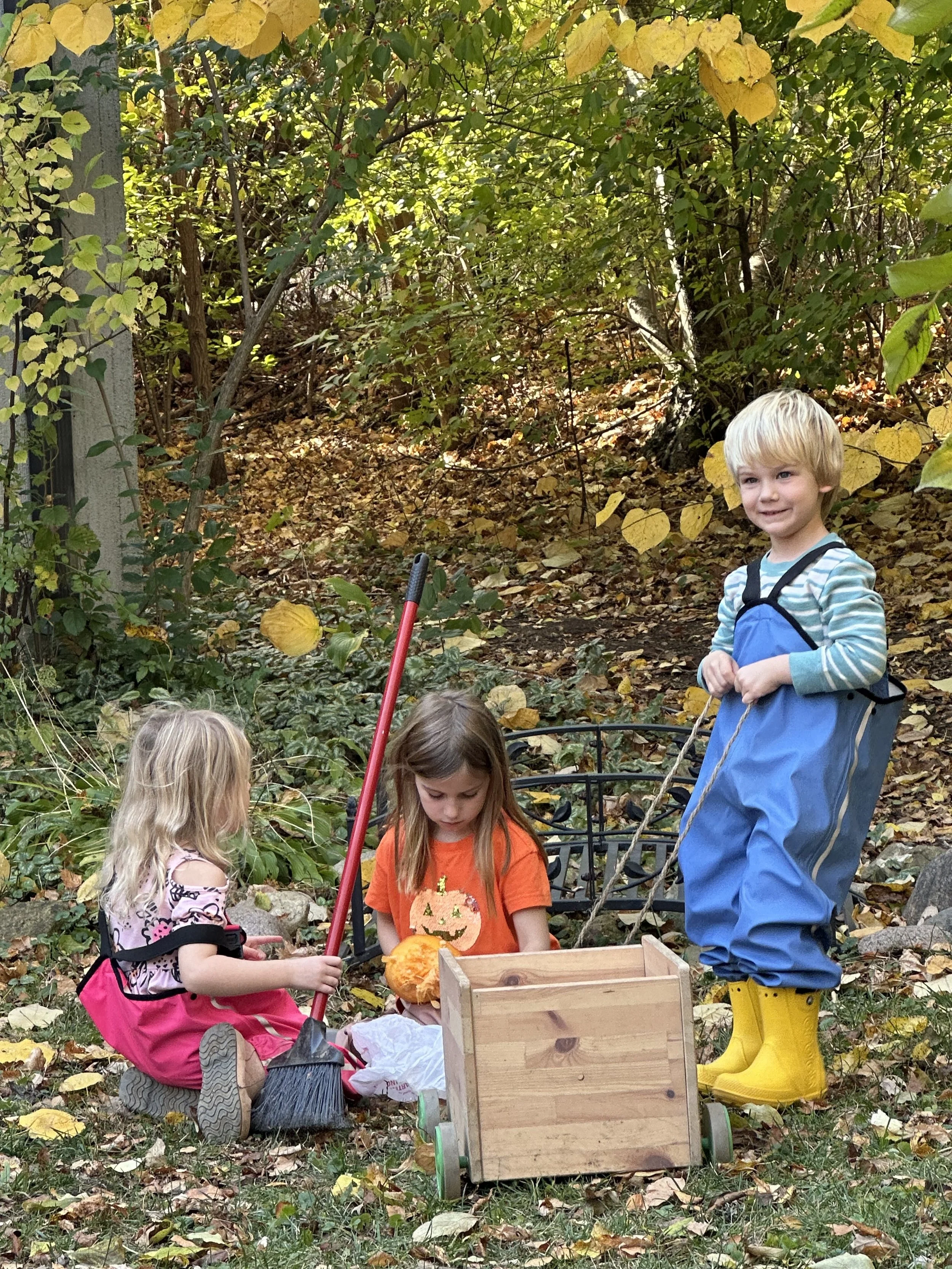
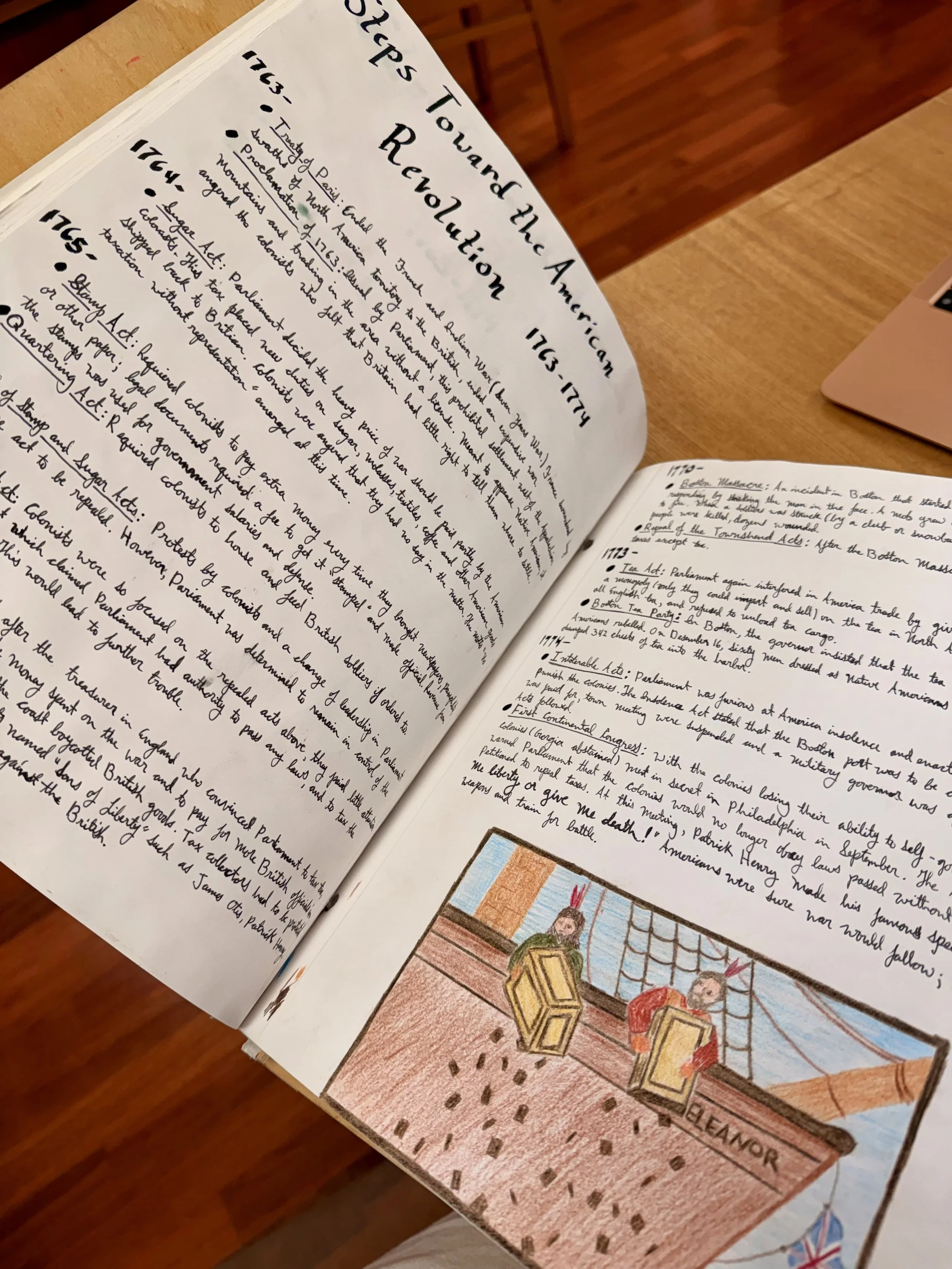
Our approach to homework is grounded in a deep respect for the meaningful, rigorous work students engage in throughout the school day. Waldorf classrooms are alive with focused academic learning, artistic expression, and hands-on discovery. Students work hard with deep thinking, solving problems, creating, and collaborating. Because the school day is so rich and intentional, we believe that evenings should offer a different kind of nourishment: time for rest, unstructured play, and meaningful connection at home.
How Waldorf Teachers Assess Without Tests
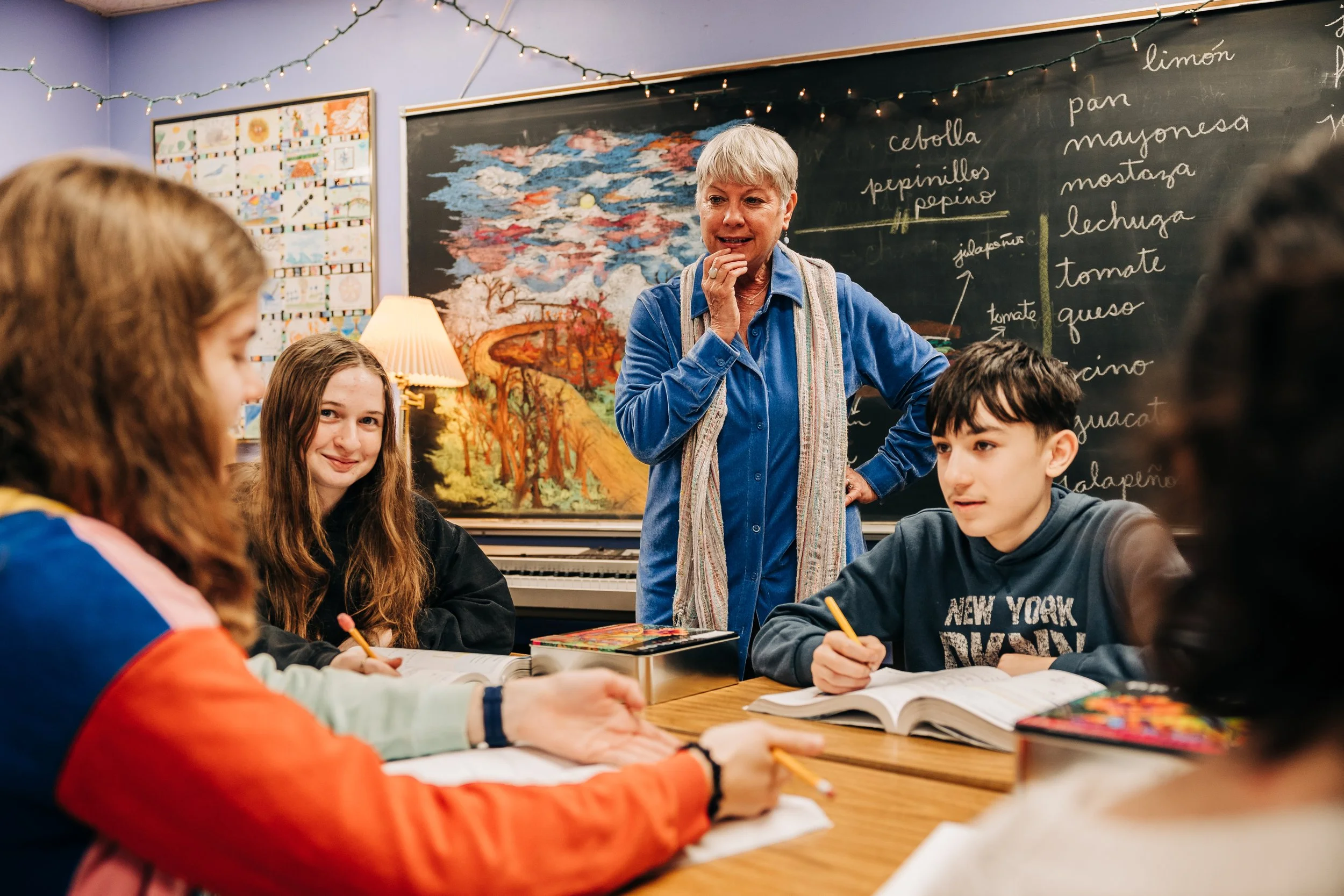
In many educational systems, assessment boils down to answers: Was it right or wrong? In Waldorf education, teachers are interested in how a child is thinking. Did the child grasp the process behind the answer? Did they show perseverance? Are they developing creative or flexible thinking?
These are the qualities that fuel real-world success; and they don’t always show up on a test.