
The Windrose Journal
A Waldorf Blog
The Windrose Journal is a grounded, thoughtful space where stories, reflections, and insights from the Waldorf School of DuPage community come together—past, present, and future. Like a compass rose, it helps orient families, educators, and alumni as we navigate the evolving world of Waldorf education and child development. Here, you’ll find a meaningful blend of tradition and innovation, sharing voices that illuminate the heart of our school. Whether you're seeking inspiration, perspective, or connection, The Windrose Journal offers guidance rooted in experience and purpose.
You can explore posts by topic or simply scroll down to see our most recent content. Happy reading!

RIGOR BY DESIGN: How a Waldorf Education Builds Deep, Lasting Thinking — A Look Through Bloom's Taxonomy
Storytelling, handwork, and art are easy to spot in a Waldorf classroom — but where's the rigor? Using Bloom's Taxonomy, the same framework schools worldwide use to measure depth of thinking, we walk through how Waldorf education moves students from simple recall all the way to original, independent creative work.
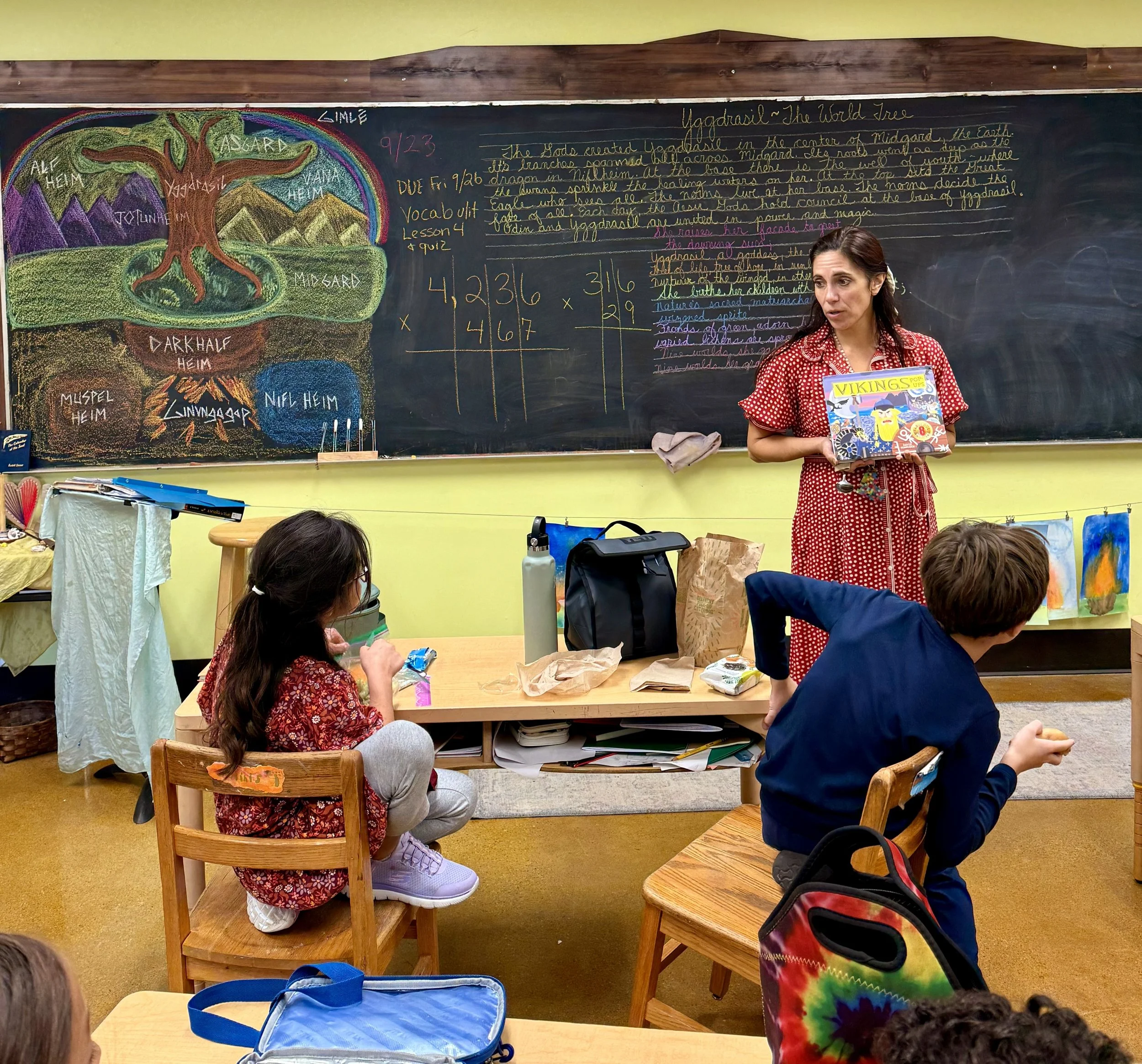
What Waldorf Education Has in Common With Finland's World-Renowned Education System
Finland's education system is celebrated around the world for its focus on equity, student well-being, and academic success. While it was not built on Waldorf principles, the two approaches share many core values, including respect for child development, creativity, play-based learning, and educating the whole child. Discover what these internationally respected models have in common—and where they differ.
The Lost Art of Summer Boredom
In a world filled with constant entertainment and digital stimulation, boredom has become something many parents try to avoid. But unstructured, unscheduled time is often where creativity, independence, and imagination begin. This article explores why boredom still matters and how it can lead to richer, more meaningful childhood summers.
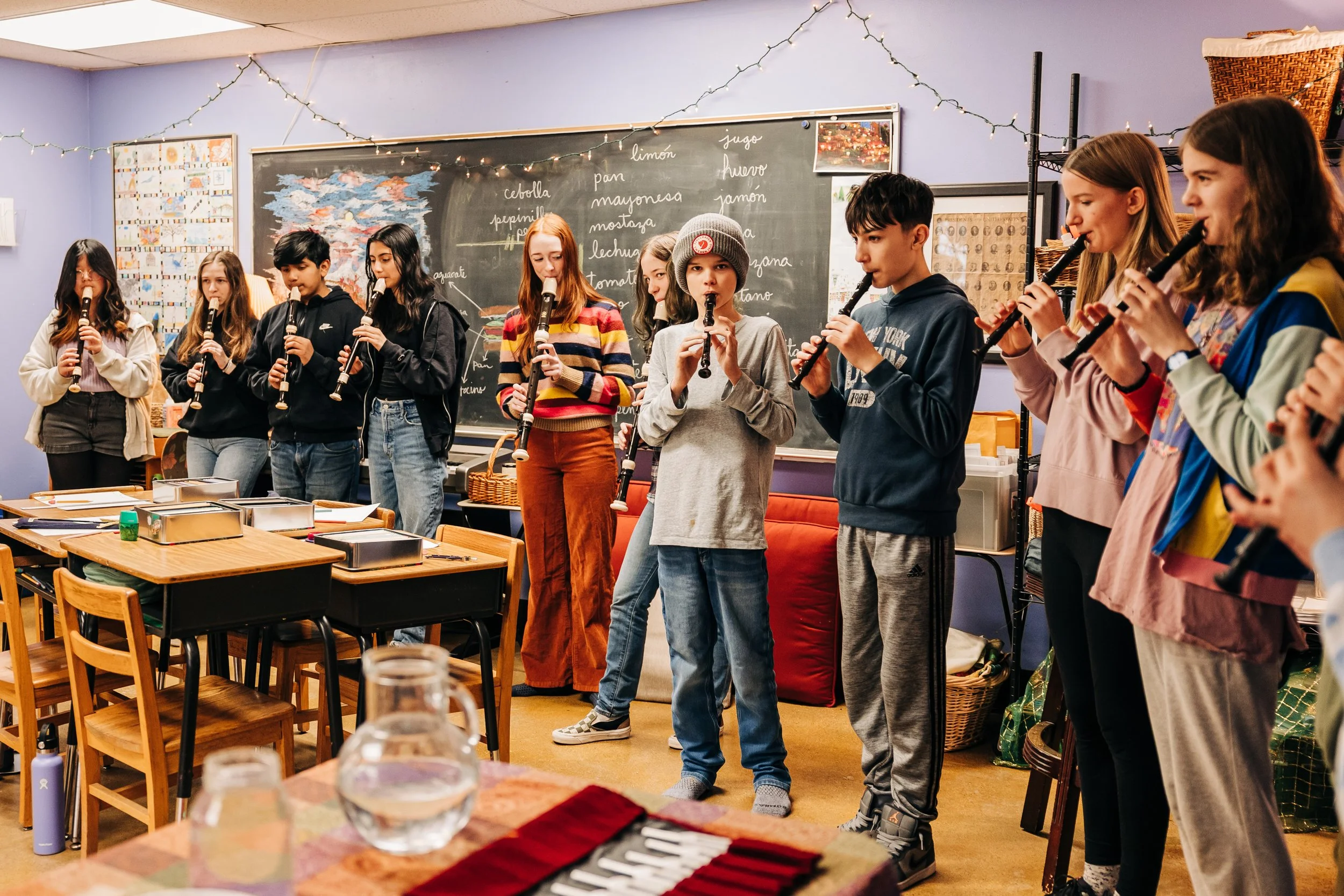
The Benefits of a Middle School Cohort
Middle school is about more than academics. Discover how a blended grade cohort model helps students develop confidence, leadership, meaningful relationships, and lifelong collaboration skills. Families exploring a private middle school near Warrenville, IL can learn why relationship-centered learning creates an environment where students feel supported, challenged, and prepared for the future.
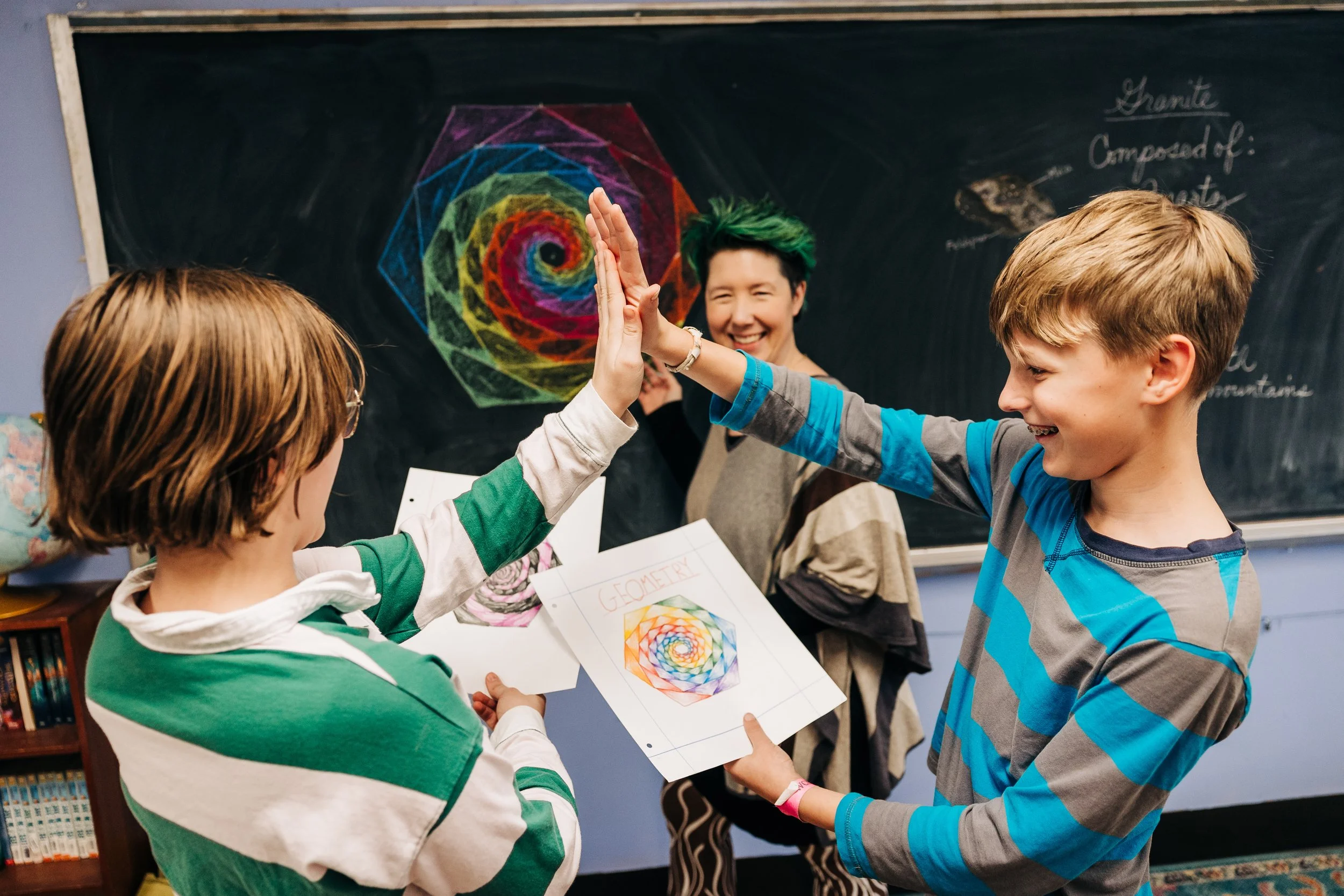
Why Blended Grades Benefit Students in Grades 1–8
What if school helped students build confidence instead of simply keeping up? Learn how a blended grade cohort model supports academic growth, leadership, meaningful friendships, and social-emotional development. Families exploring a nurturing private school near Warrenville, IL can discover why this innovative approach helps students thrive during the important school years.

How to Balance Technology and Connection in Family Life
Modern families are more connected than ever, but many parents are longing for a home life that feels calmer and less digitally overwhelming. This article explores simple, realistic ways to create healthier technology boundaries while still balancing the demands of modern life.
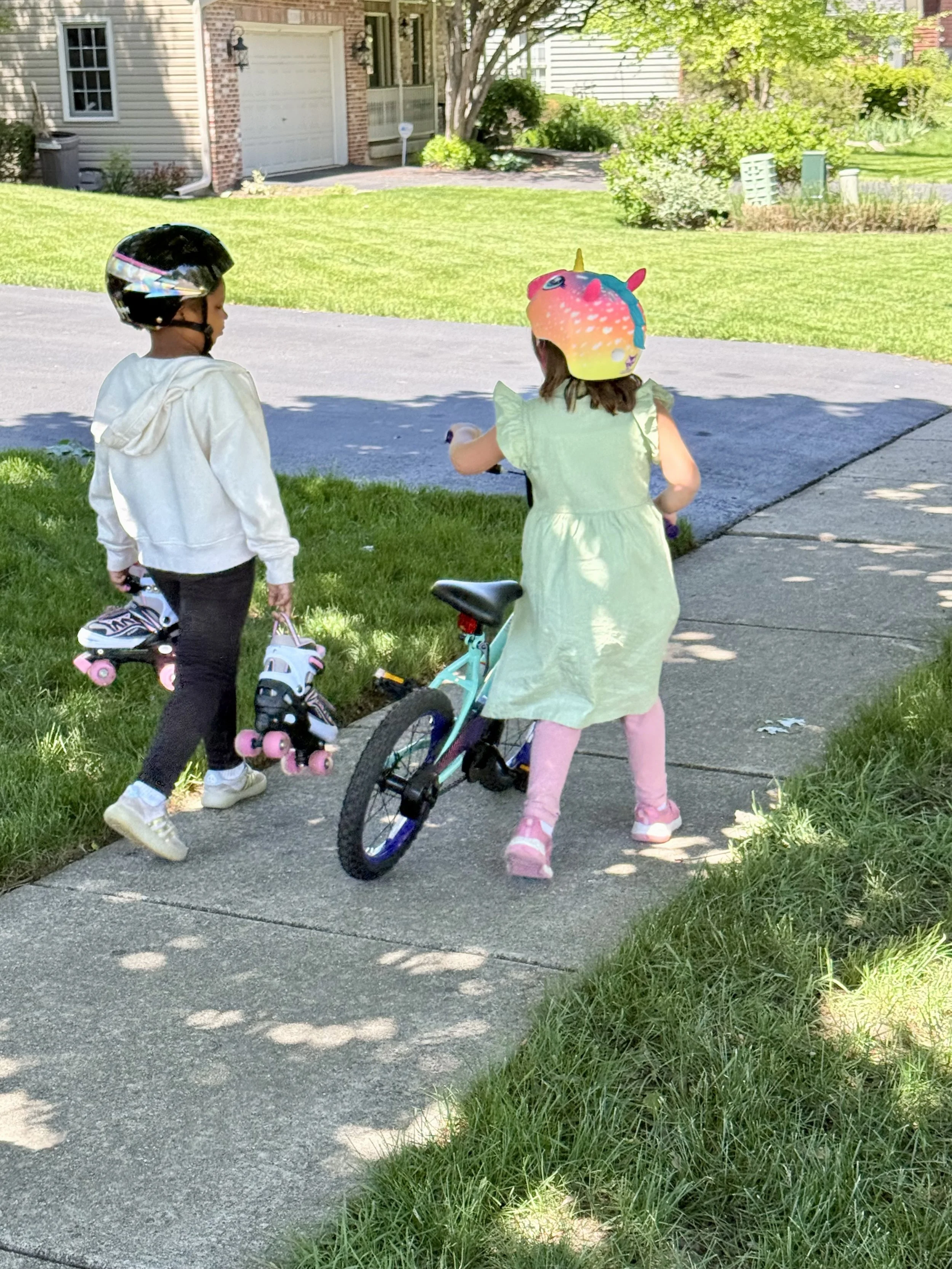
The Childhood We Miss (and Why It Still Matters)
Parents today are not trying to recreate the past. They’re simply looking for ways to preserve the parts of childhood that still matter most. In a fast-paced digital world, children continue to thrive on slower rhythms, outdoor play, imagination, connection, and the simple moments that make home feel memorable.

Presence Is Enough: A Gentle Reminder for Summer Parenting
In a world filled with summer bucket lists and pressure to constantly entertain children, it can be easy for parents to feel overwhelmed. But young children do not need perfectly planned days to thrive. This Waldorf-inspired reflection explores how presence, rhythm, simplicity, and slowness create the kinds of summer memories children carry for a lifetime.
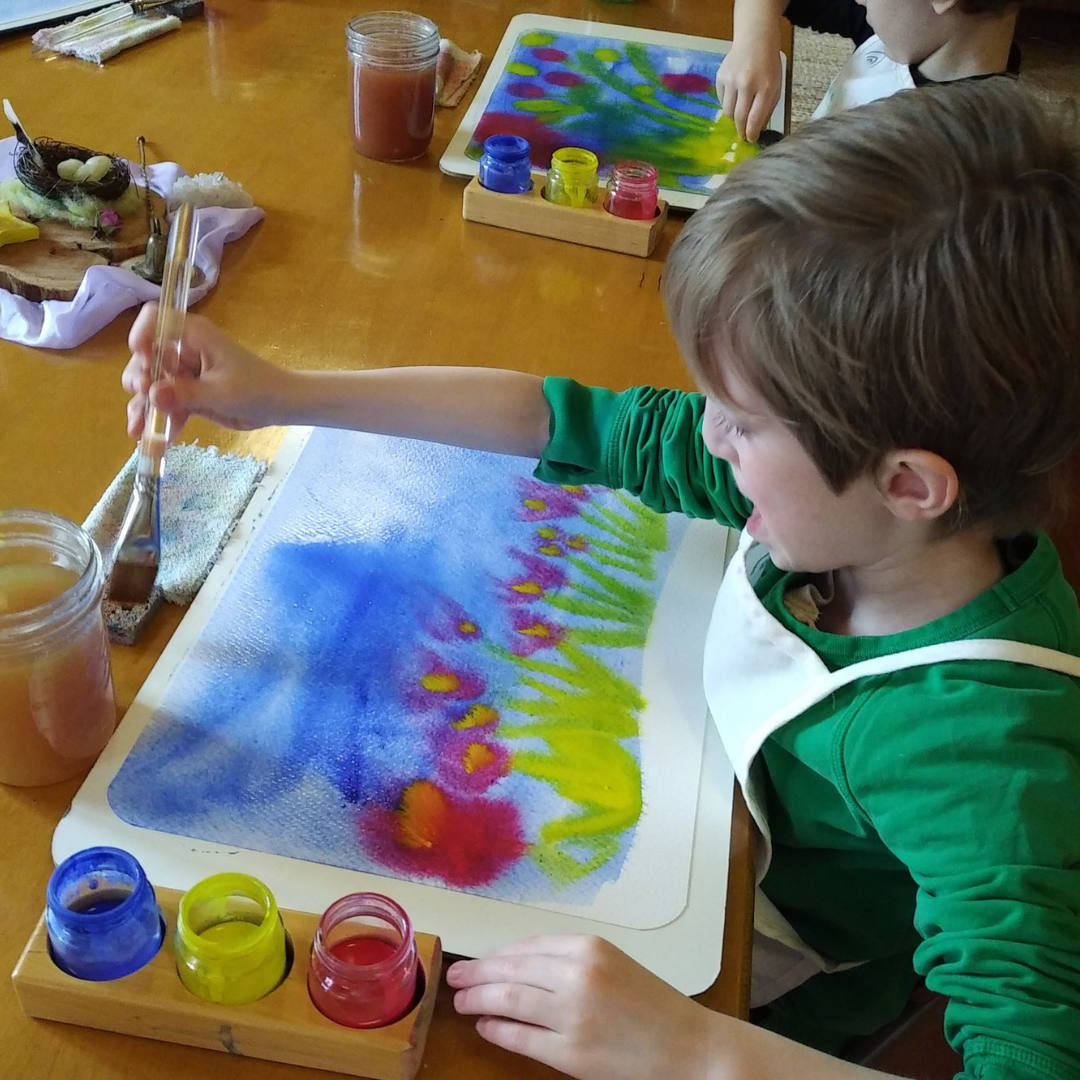
What the Research Says About Play-Based Learning
Will a play-based preschool prepare your child? Decades of research say yes.
Children develop essential skills like focus, self-regulation, problem-solving, and creativity through meaningful play—skills that support long-term academic success. In this article, we explore what developmental science says about play-based learning and how The Waldorf School of DuPage helps children build a strong foundation for first grade and beyond.
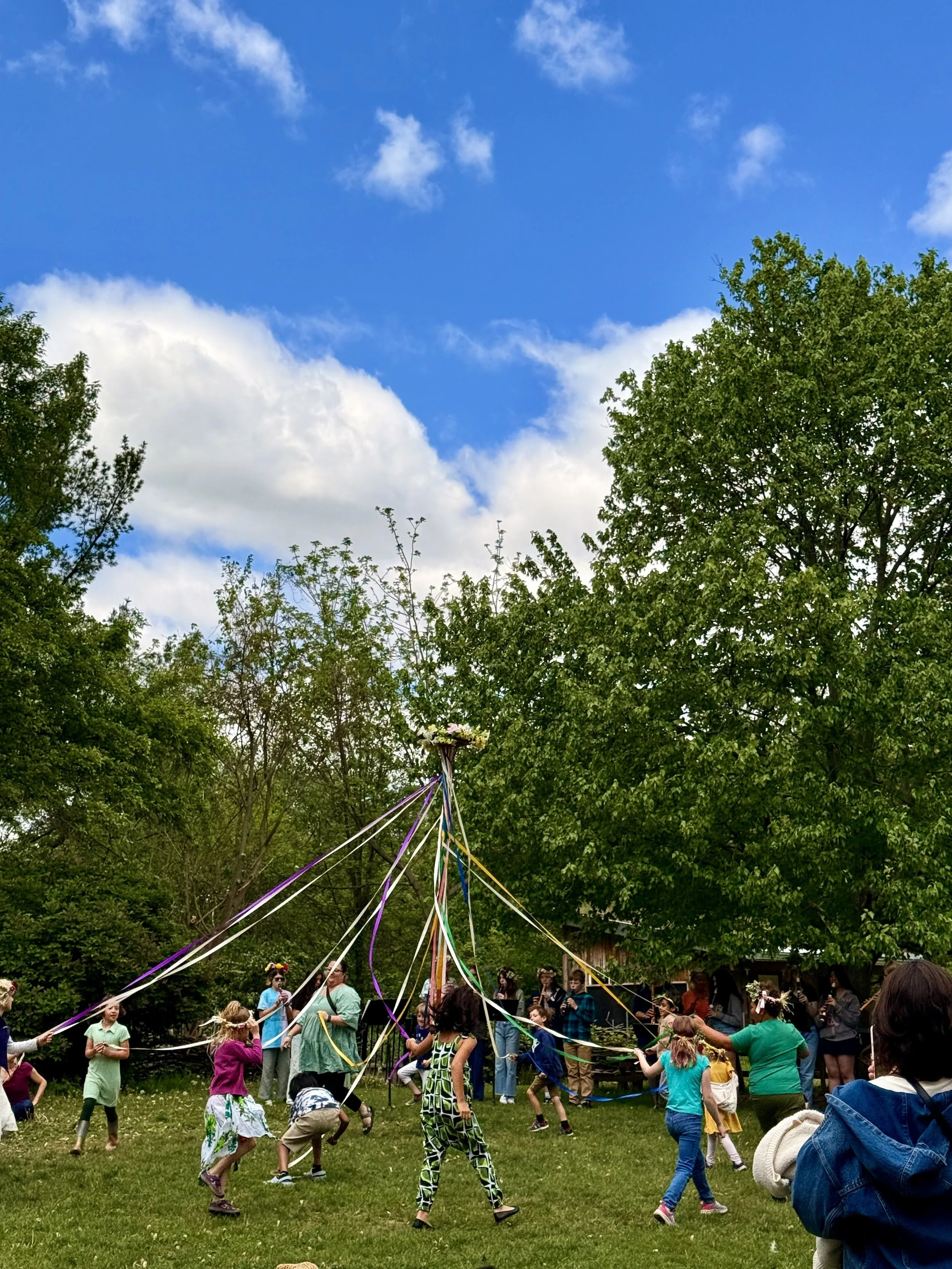
Dancing Into Spring: The Meaning Behind the Waldorf Mayfaire Celebration
It can be tempting to see Mayfaire as a charming seasonal event; but within Waldorf education, festivals are an essential part of the curriculum. They provide a living rhythm to the year, helping children feel grounded in time and place. In a fast-paced, often fragmented world, these recurring celebrations offer something increasingly rare: continuity. Children remember the feeling of Mayfaire; the music, the movement, the warmth of the sun. Over the years, those memories build a quiet inner stability. They come to expect that after winter, spring will return. That joy follows dormancy. That they are part of something cyclical and enduring.
Explore Posts by Topic
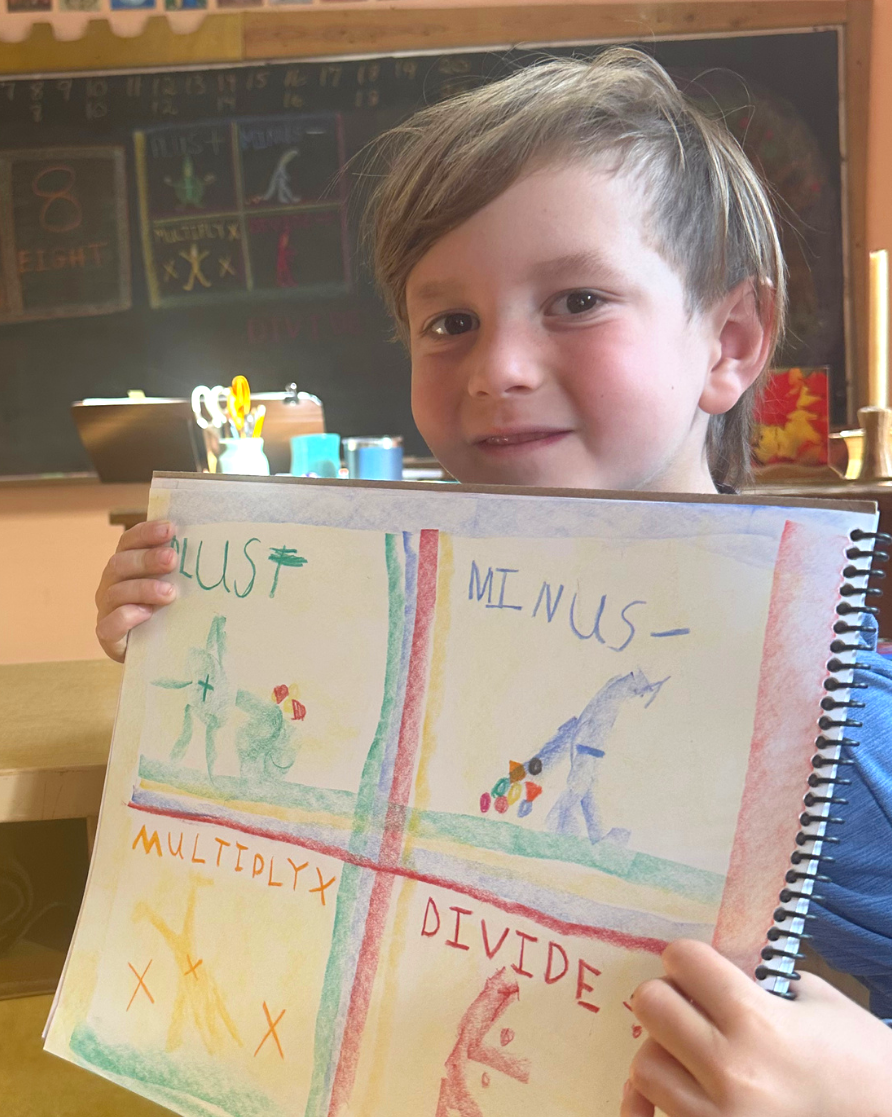
Waldorf Curriculum
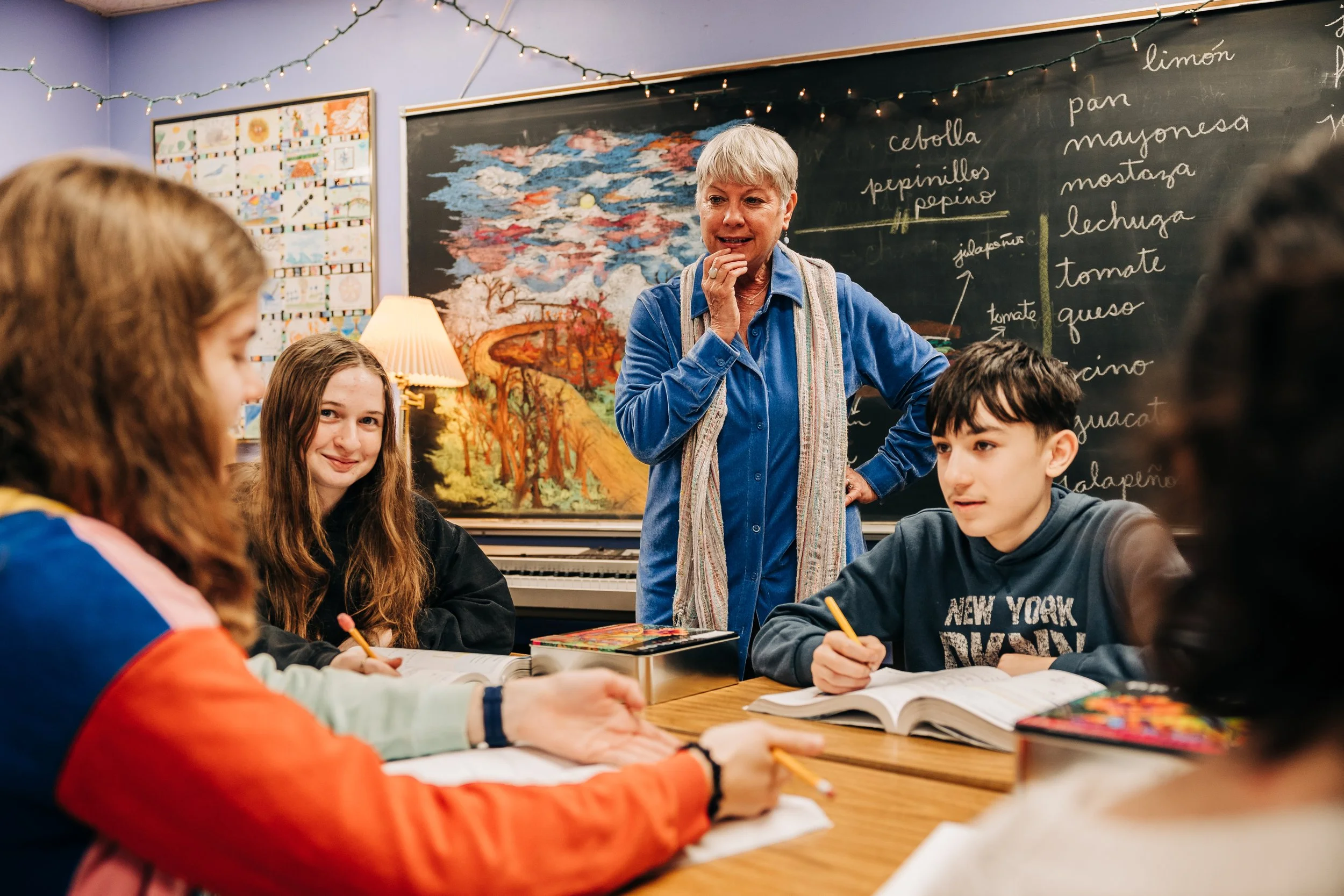
Waldorf Teachers

WSD Festivals
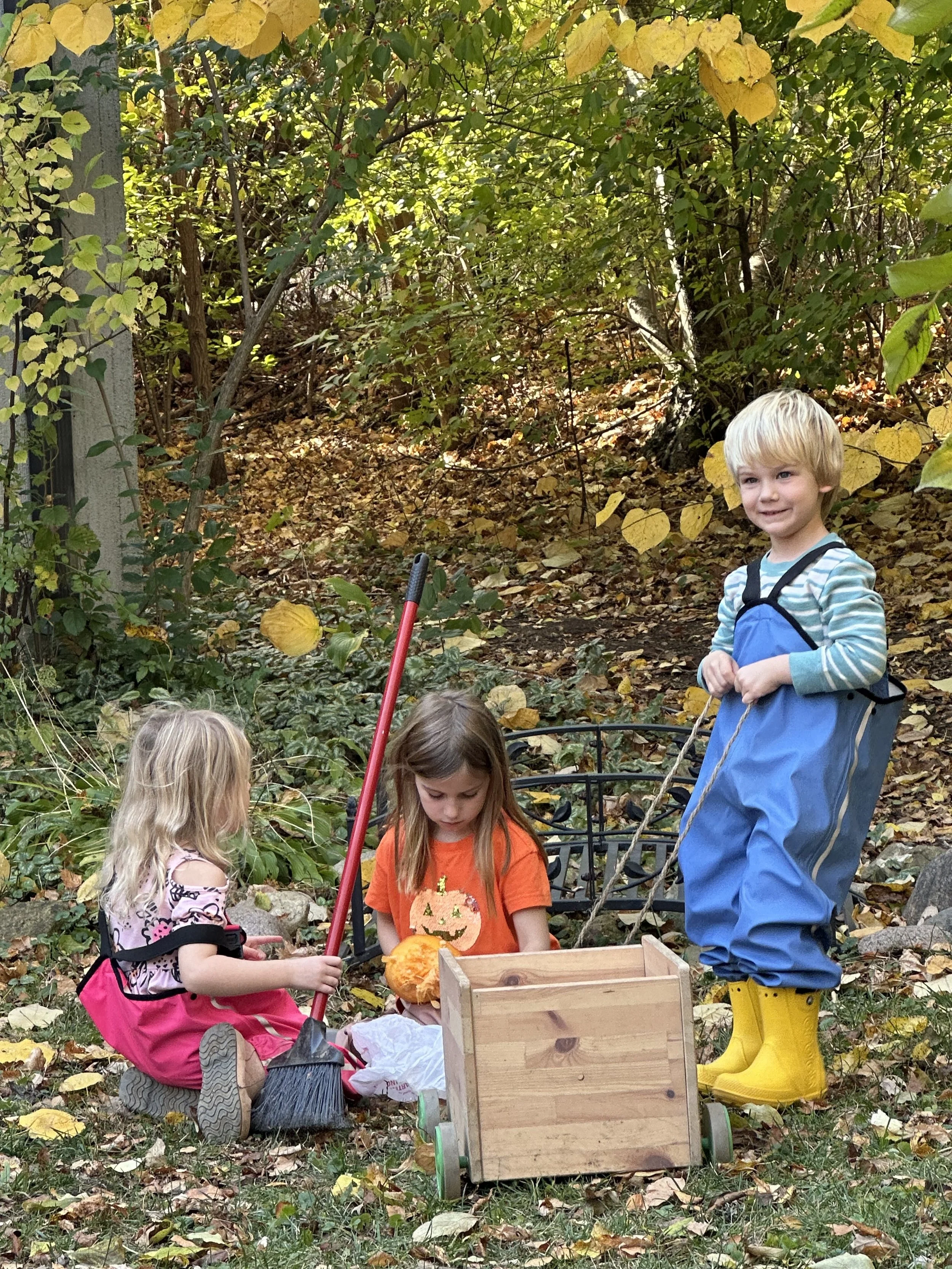
Early Childhood

Upper Grades
