
The Windrose Journal
A Waldorf Blog
The Windrose Journal is a grounded, thoughtful space where stories, reflections, and insights from the Waldorf School of DuPage community come together—past, present, and future. Like a compass rose, it helps orient families, educators, and alumni as we navigate the evolving world of Waldorf education and child development. Here, you’ll find a meaningful blend of tradition and innovation, sharing voices that illuminate the heart of our school. Whether you're seeking inspiration, perspective, or connection, The Windrose Journal offers guidance rooted in experience and purpose.
You can explore posts by topic or simply scroll down to see our most recent content. Happy reading!
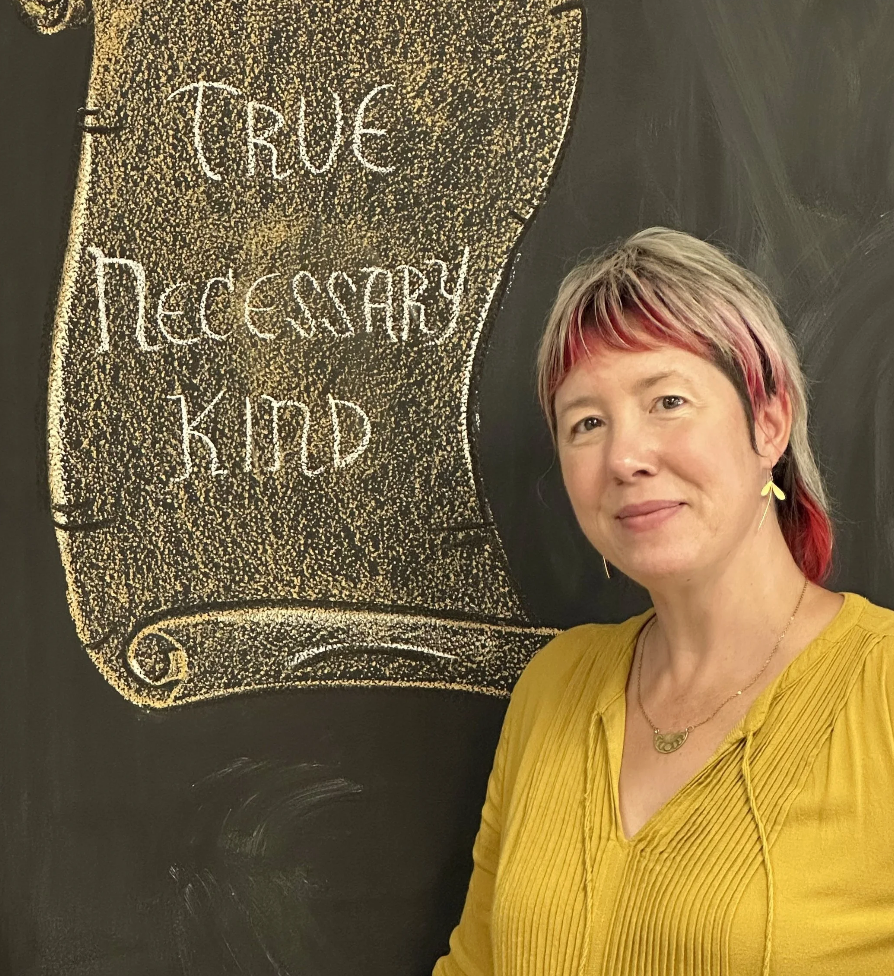
Meet Ms. McLachlan: A Teacher Who Sees the World with New Eyes
From early childhood assistant to master Waldorf teacher, Ms. McLachlan has spent over a decade bringing warmth, wonder, and wisdom to WSD classrooms. Get to know the teacher families can't stop talking about.
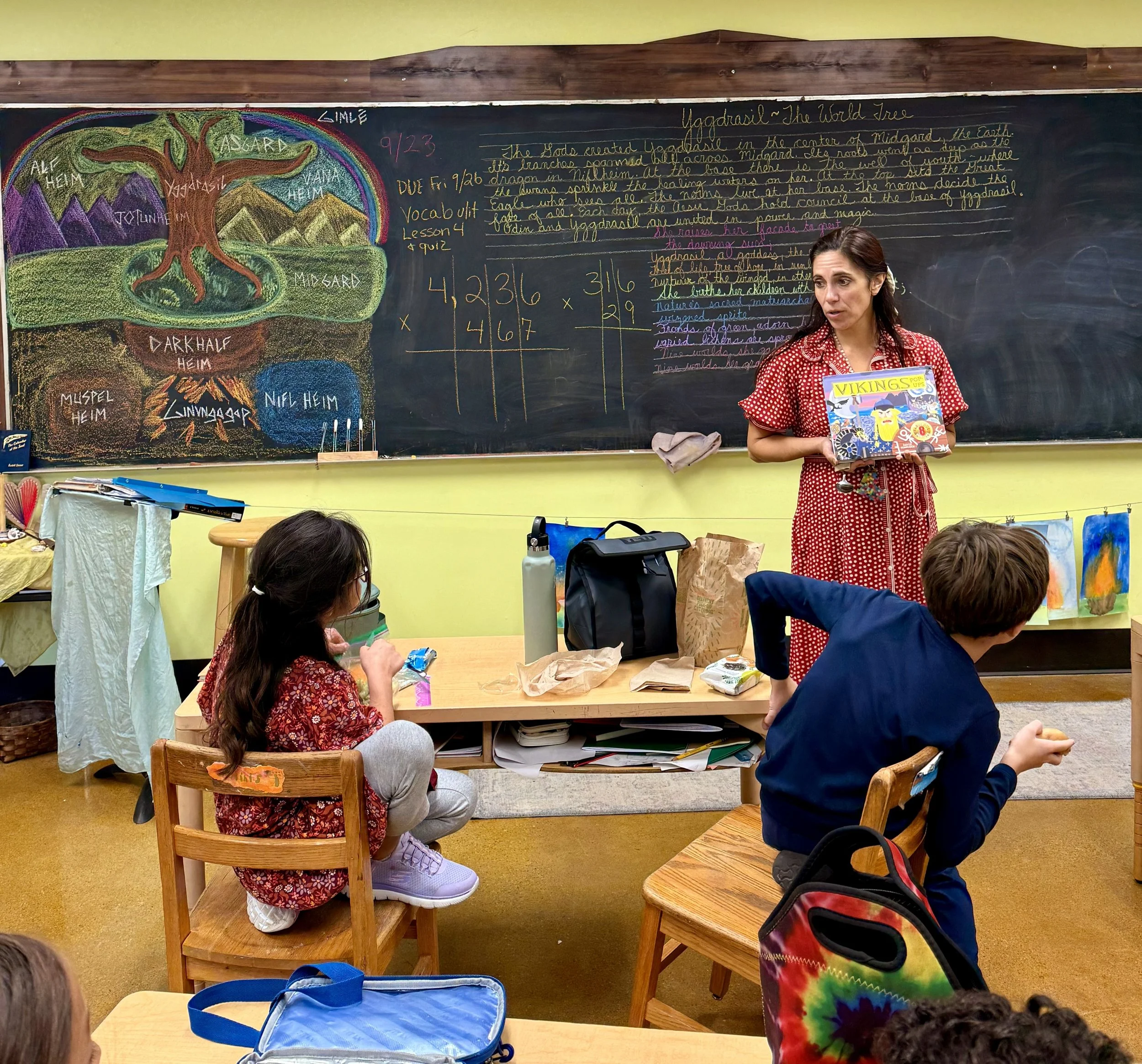
What Waldorf Education Has in Common With Finland's World-Renowned Education System
Finland's education system is celebrated around the world for its focus on equity, student well-being, and academic success. While it was not built on Waldorf principles, the two approaches share many core values, including respect for child development, creativity, play-based learning, and educating the whole child. Discover what these internationally respected models have in common—and where they differ.
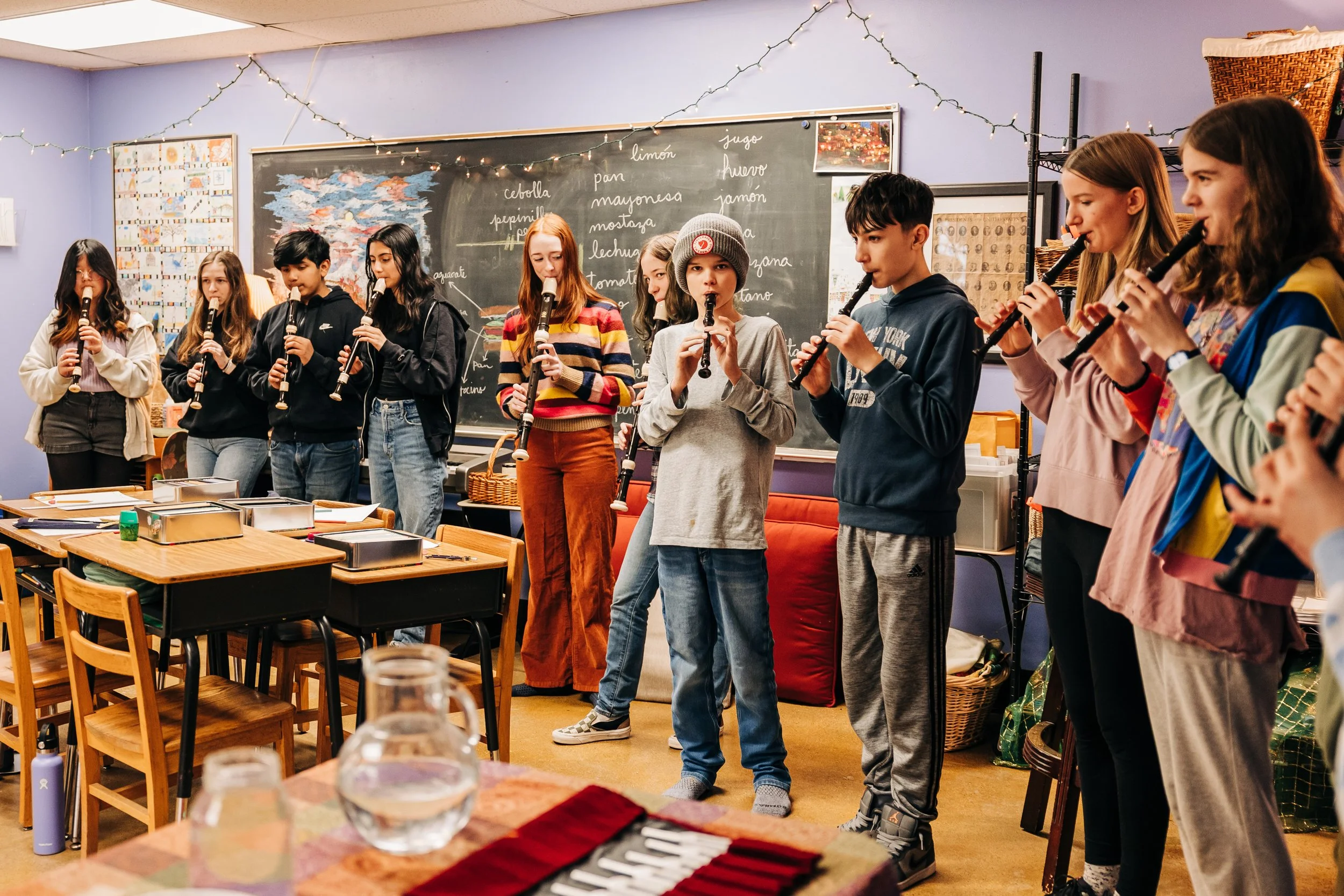
The Benefits of a Middle School Cohort
Middle school is about more than academics. Discover how a blended grade cohort model helps students develop confidence, leadership, meaningful relationships, and lifelong collaboration skills. Families exploring a private middle school near Warrenville, IL can learn why relationship-centered learning creates an environment where students feel supported, challenged, and prepared for the future.
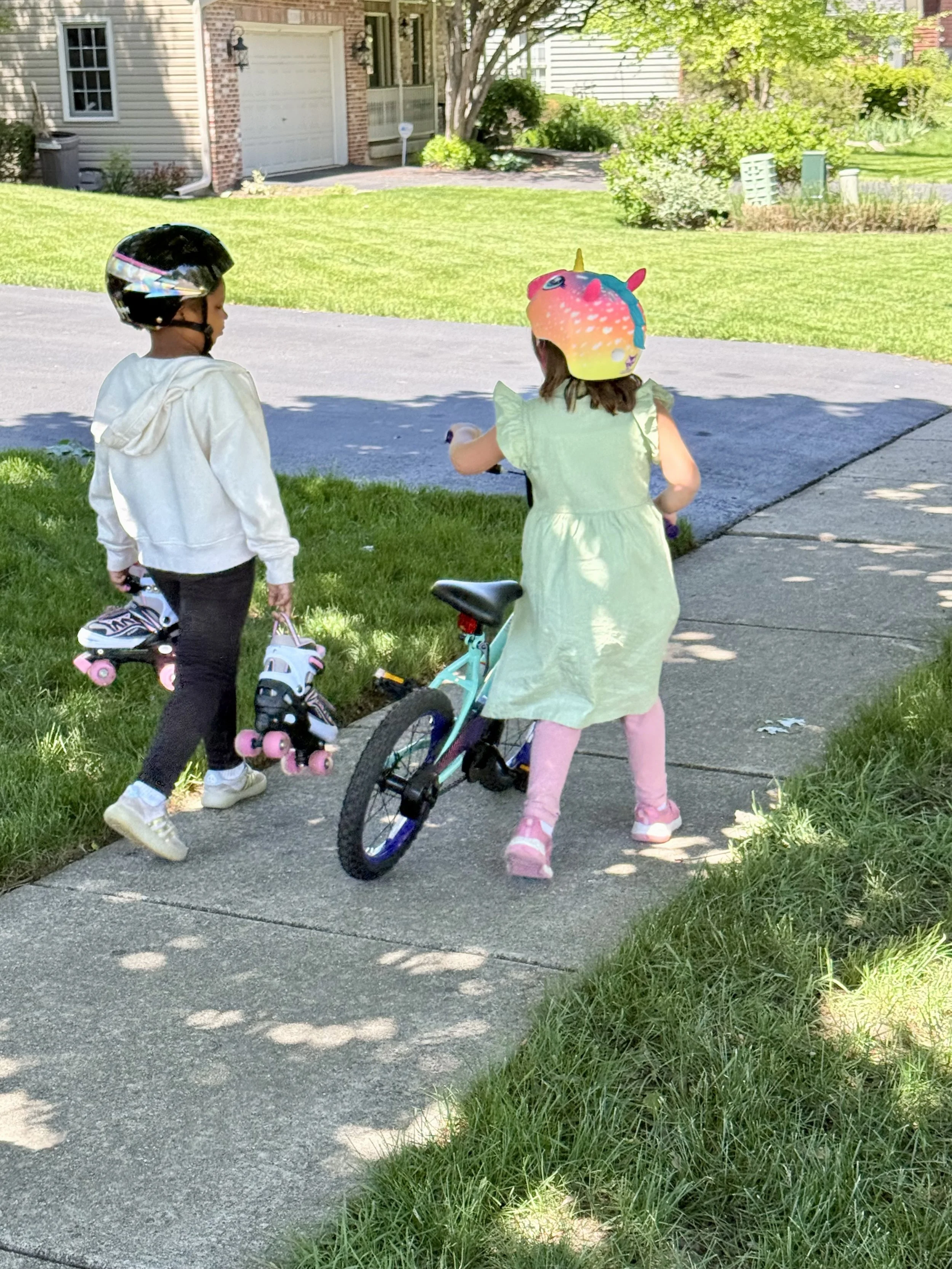
The Childhood We Miss (and Why It Still Matters)
Parents today are not trying to recreate the past. They’re simply looking for ways to preserve the parts of childhood that still matter most. In a fast-paced digital world, children continue to thrive on slower rhythms, outdoor play, imagination, connection, and the simple moments that make home feel memorable.
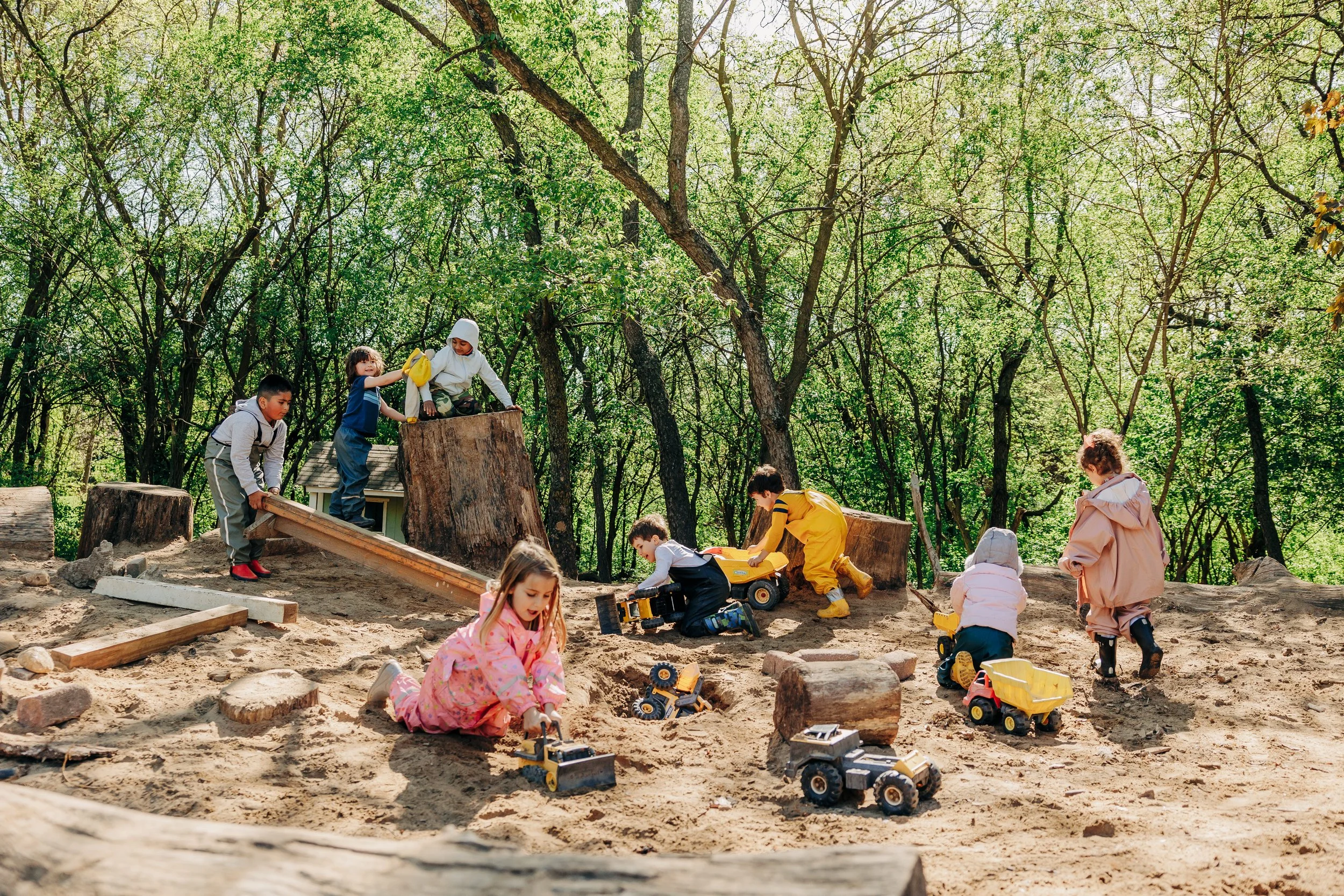
The Gift of an Unhurried Childhood: Why Early Childhood Should Be Filled with Wonder, Movement, and Play
In today's world of early academics, many parents wonder if play-based preschool is enough. At The Waldorf School of DuPage, we believe that an unhurried childhood builds the foundation for lifelong learning. Discover how imagination, movement, and meaningful play help children develop the confidence, focus, and resilience they need to thrive in first grade and beyond.
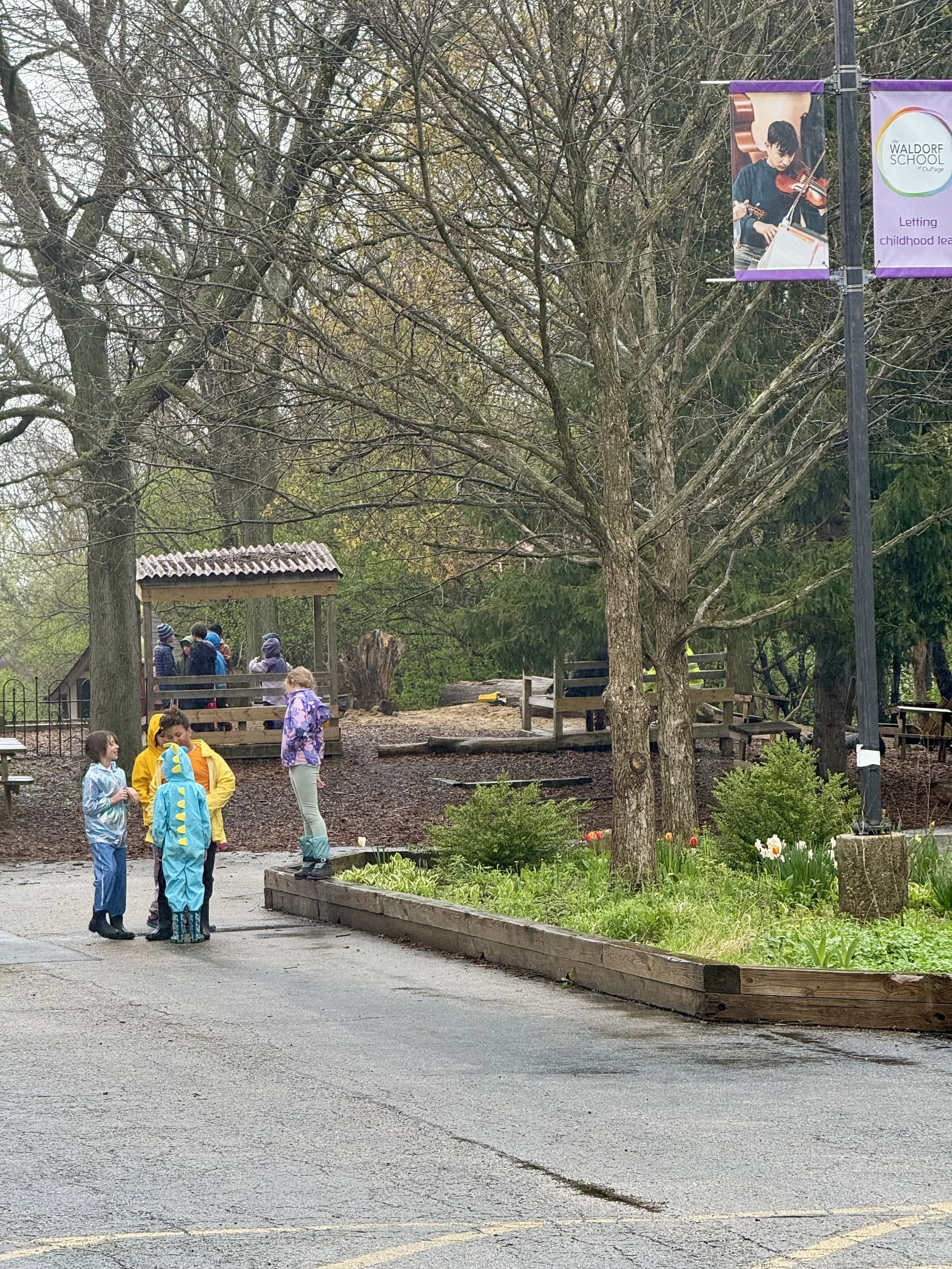
What Schools Don’t Use Technology? A Parent’s Guide to Low-Tech Education
Discover which schools limit or avoid technology, including Waldorf, Montessori, and nature-based programs. Learn the benefits of low-tech education and whether it’s right for your child.
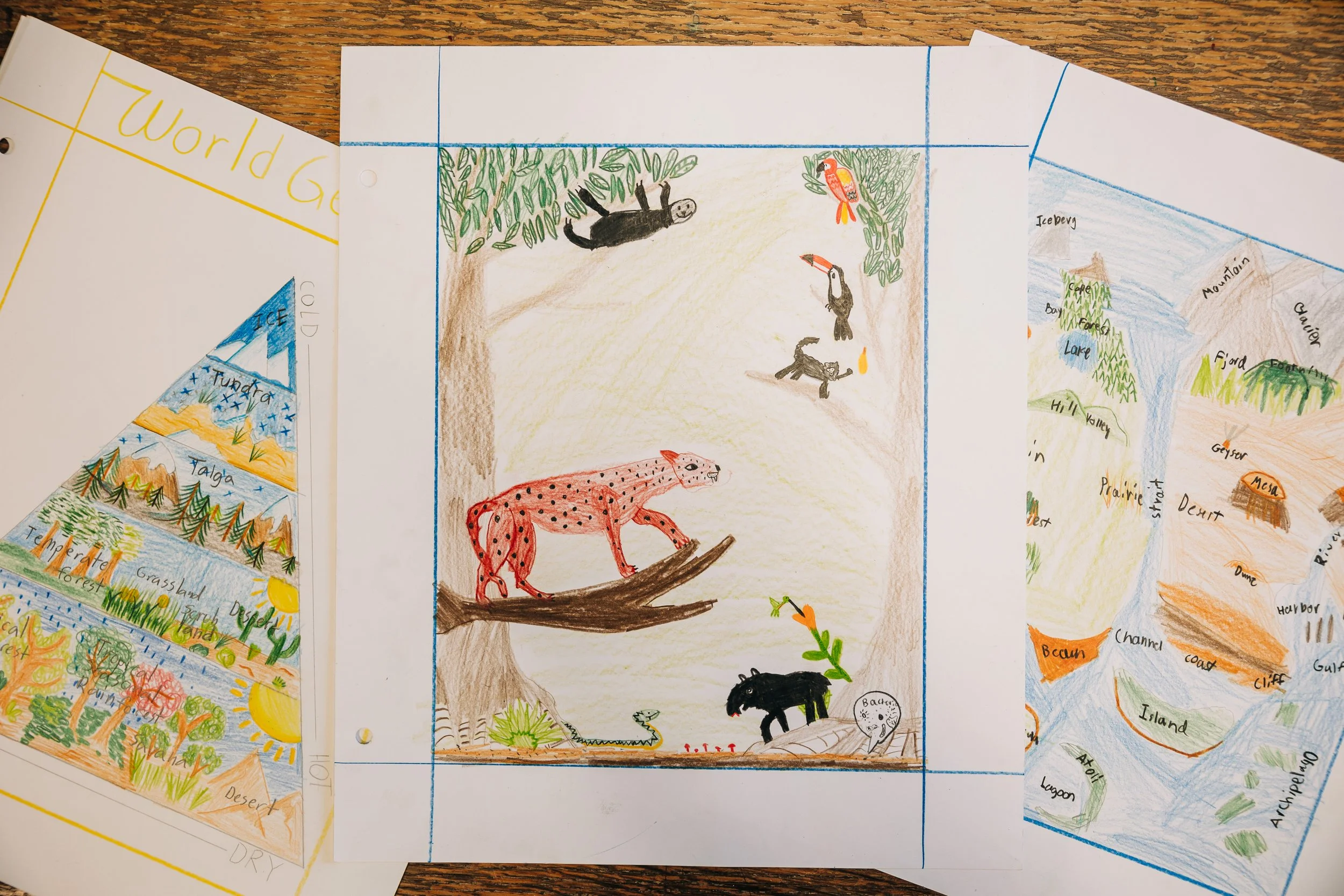
Why a Spiral Curriculum Matters for Your Child
Waldorf education uses a spiral curriculum, meaning children return to important ideas again and again as they grow; each time with deeper understanding. This developmentally informed approach supports confidence, curiosity, and lasting learning for children and families world-wide, including the Chicago suburbs.

Developmentally Appropriate Education Matters
Understanding what developmentally appropriate education looks like in the elementary years can make all the difference when choosing an educational path for your child. This post explores how honoring children’s natural growth in grades 1-5 supports academic success, emotional well-being, and a lifelong love of learning.
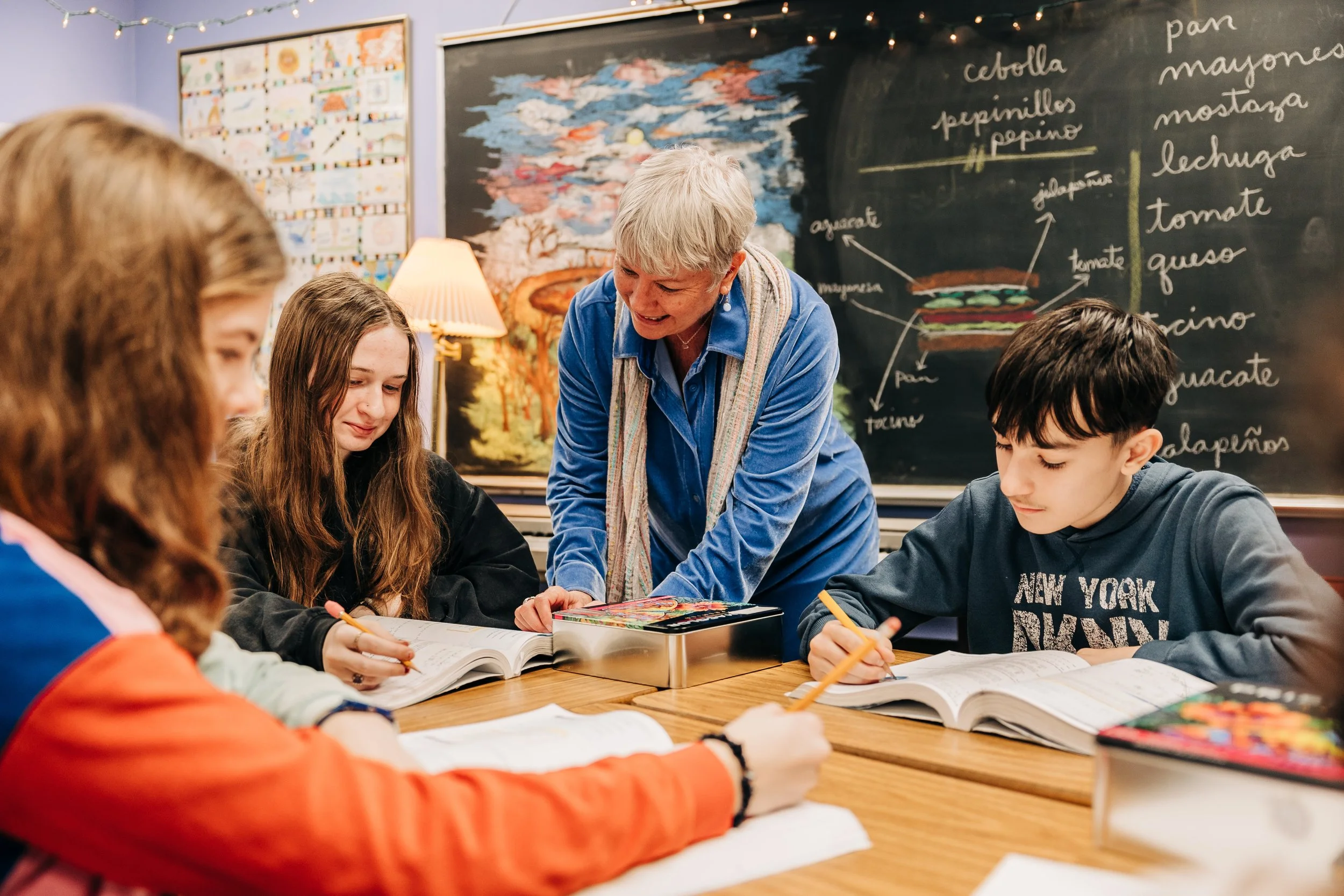
Developmentally Appropriate Education Supports Students Through Middle School (Grades 6–8)
Middle school is a time of rapid growth: academically, emotionally, and physically. For families in the Chicago suburbs, choosing the right educational environment for Grades 6–8 can shape a child’s confidence, curiosity, and readiness for high school. This post explores how developmentally appropriate education meets the unique needs of early adolescents and helps students thrive through the middle school years.

Main Lesson Books: Where Beauty Meets Deep Learning in Waldorf Education
Main Lesson Books serve as a dynamic record of each child’s academic journey. Rather than assessing learning solely through tests or quizzes, teachers can see how students internalize concepts through the work they produce. Every page offers insight into a child’s comprehension, reasoning, and ability to apply knowledge creatively.
Explore Posts by Topic
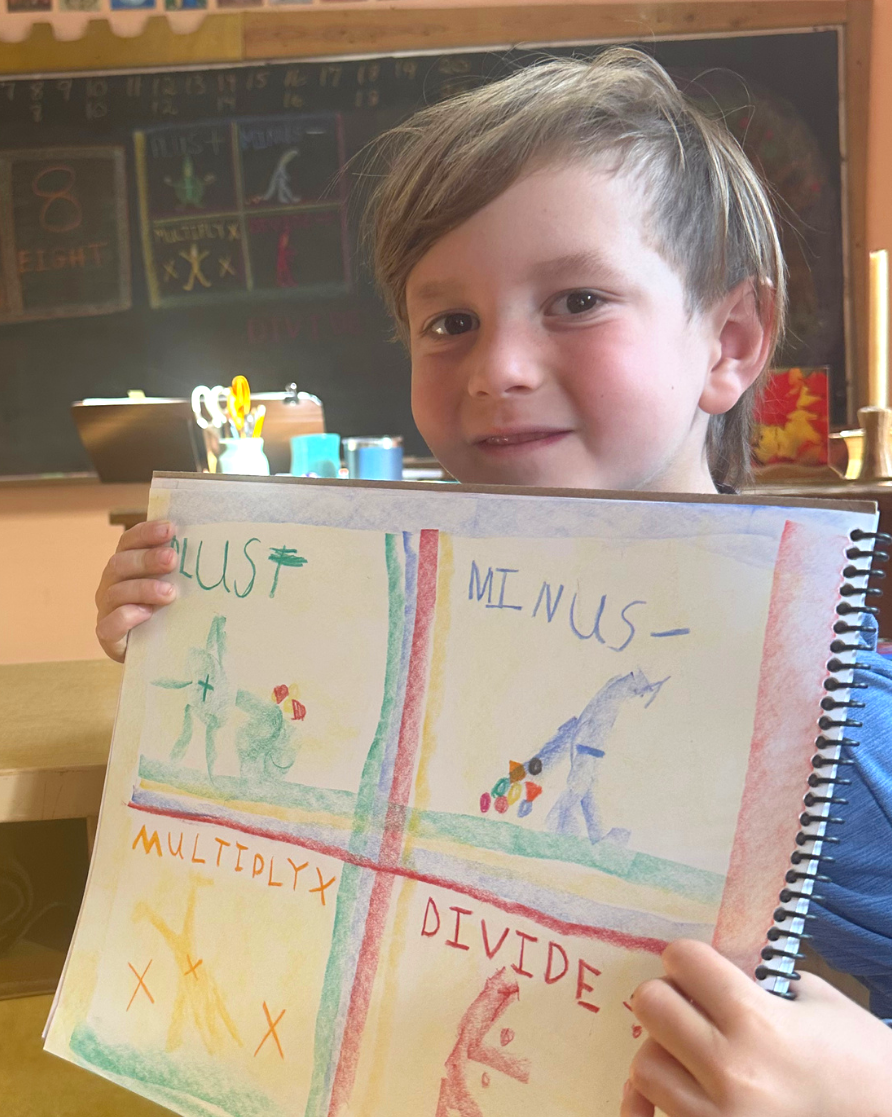
Waldorf Curriculum
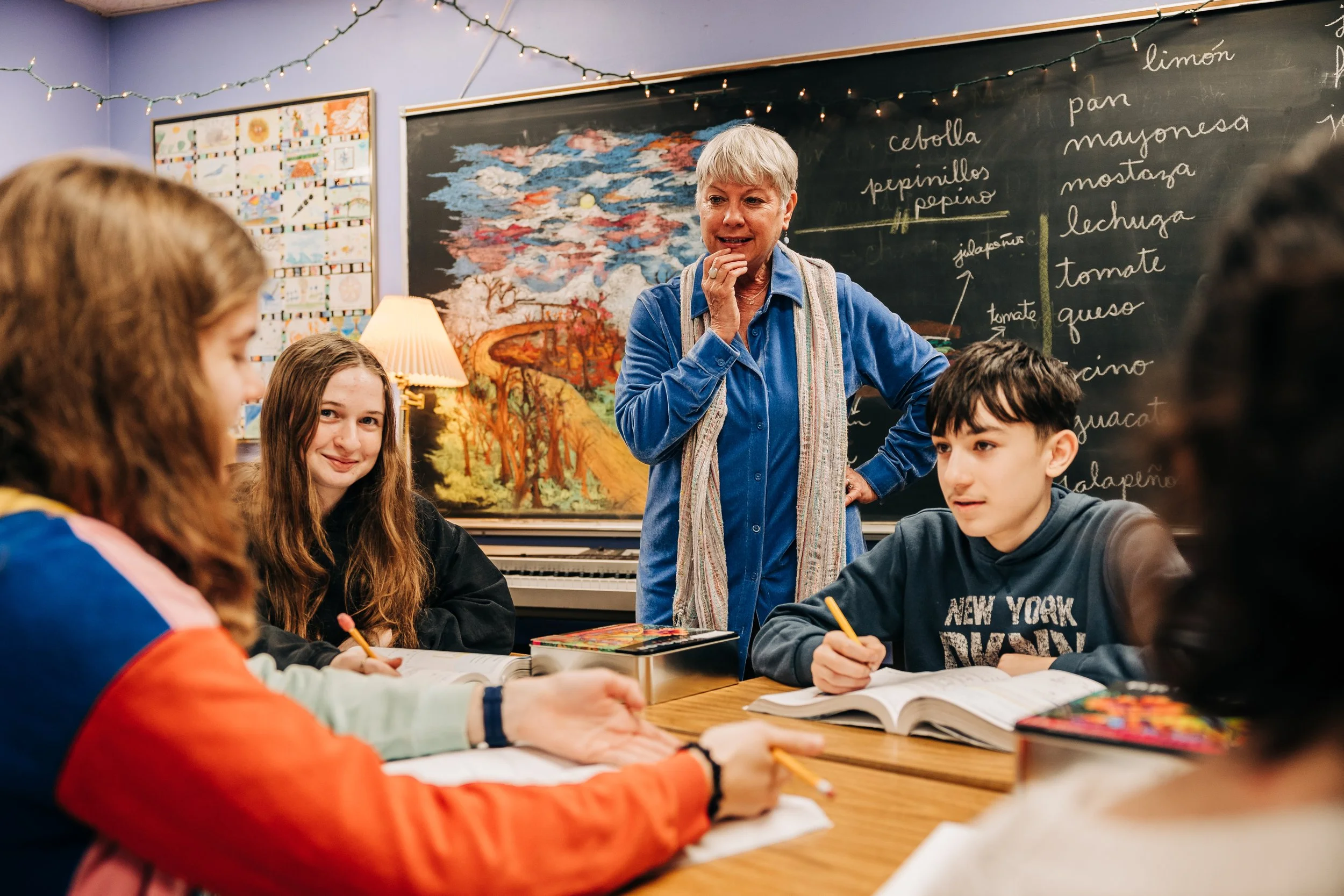
Waldorf Teachers

WSD Festivals
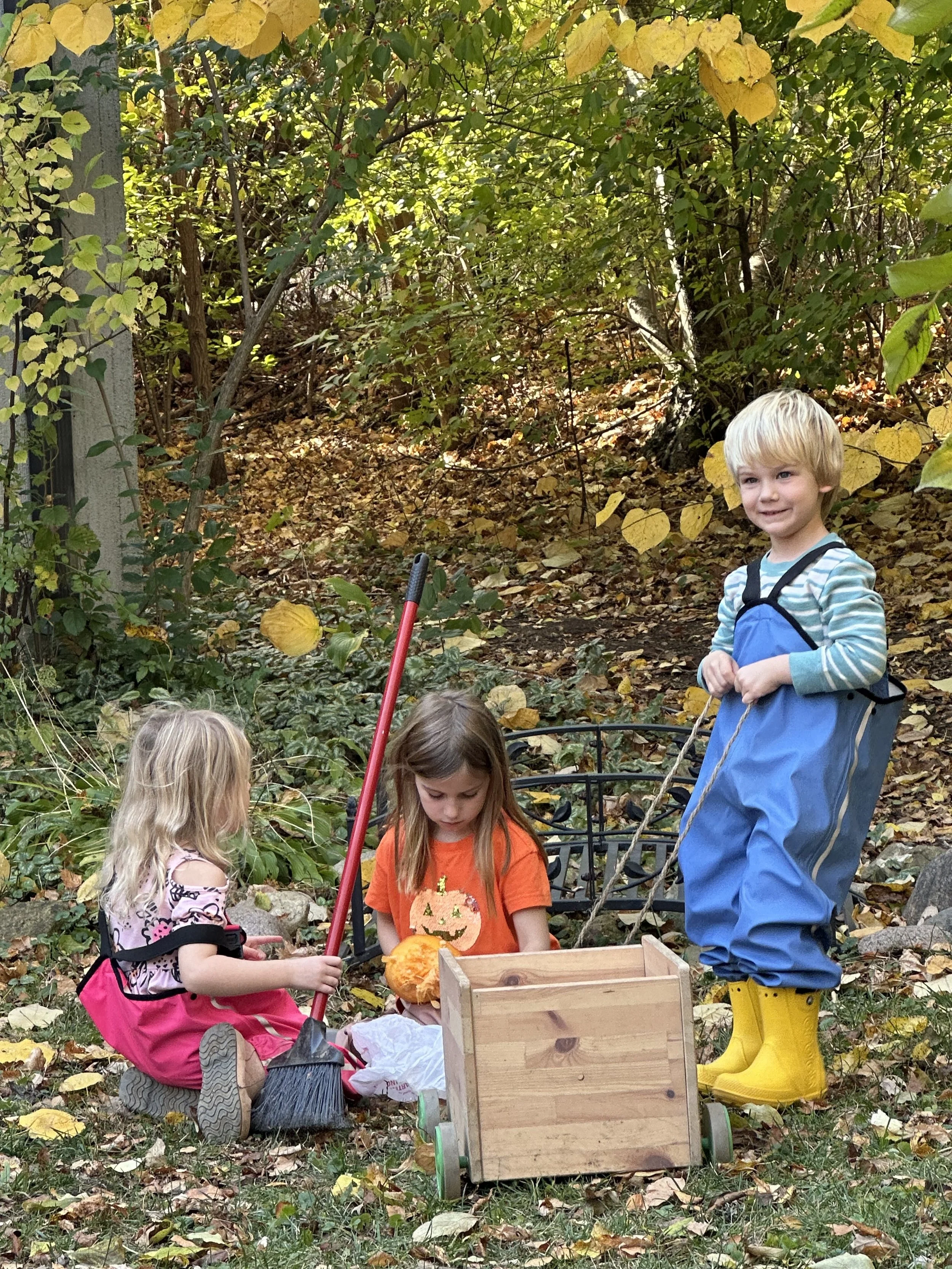
Early Childhood

Upper Grades
