
The Windrose Journal
A Waldorf Blog
The Windrose Journal is a grounded, thoughtful space where stories, reflections, and insights from the Waldorf School of DuPage community come together—past, present, and future. Like a compass rose, it helps orient families, educators, and alumni as we navigate the evolving world of Waldorf education and child development. Here, you’ll find a meaningful blend of tradition and innovation, sharing voices that illuminate the heart of our school. Whether you're seeking inspiration, perspective, or connection, The Windrose Journal offers guidance rooted in experience and purpose.
You can explore posts by topic or simply scroll down to see our most recent content. Happy reading!

Beyond the Test: How We Assess Learning in a Waldorf Main Lesson Block
Assessment in a Waldorf classroom goes beyond a single test. See how teachers observe, listen, and review student work to understand what each child knows, how they think, and where they’re headed next.
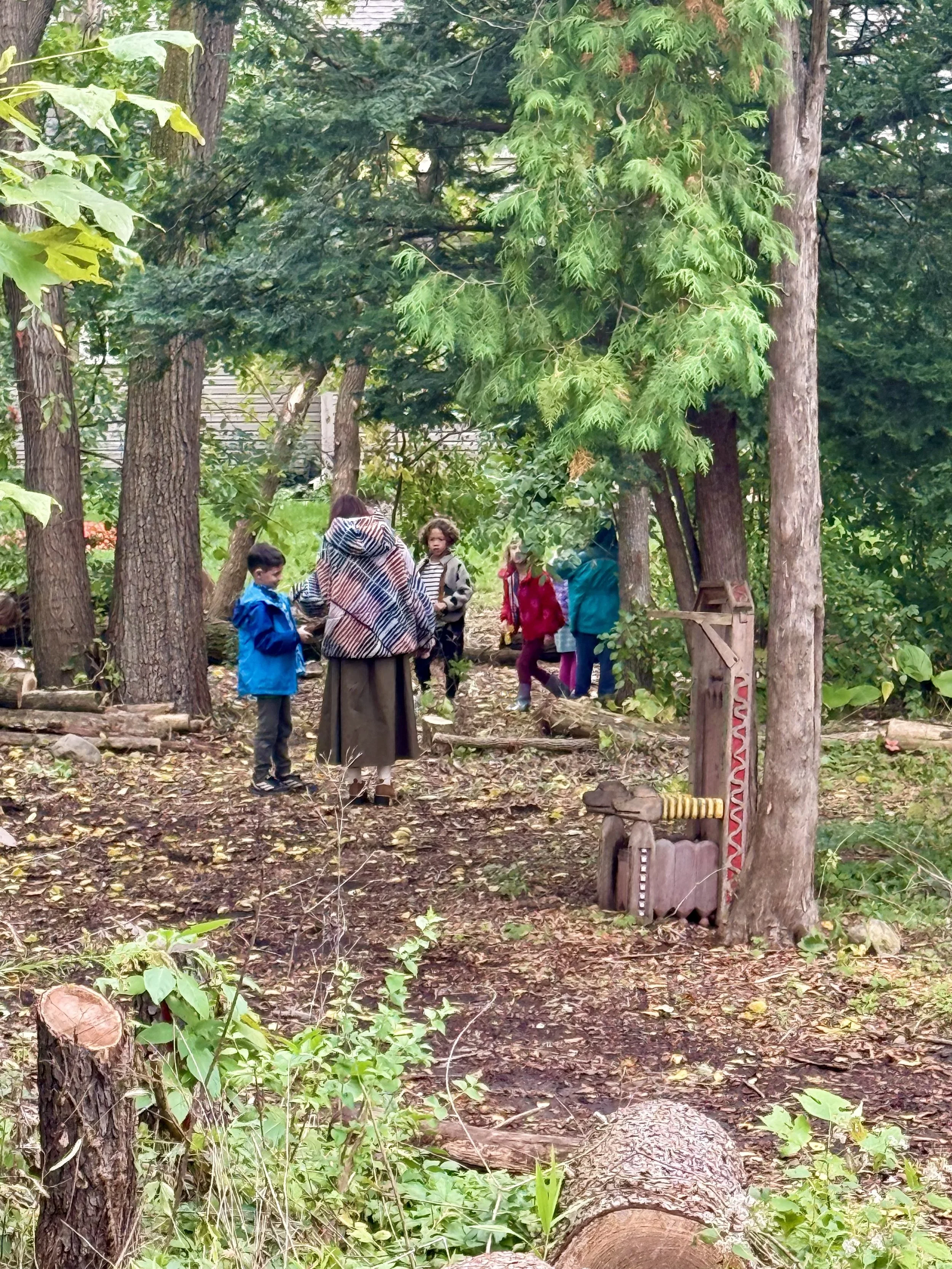
Why We Teach the Same Ideas Again and Again
Why do some subjects keep coming back in a Waldorf classroom? It’s by design. Discover how our spiral curriculum helps children build deeper, longer-lasting understanding, one return visit at a time.
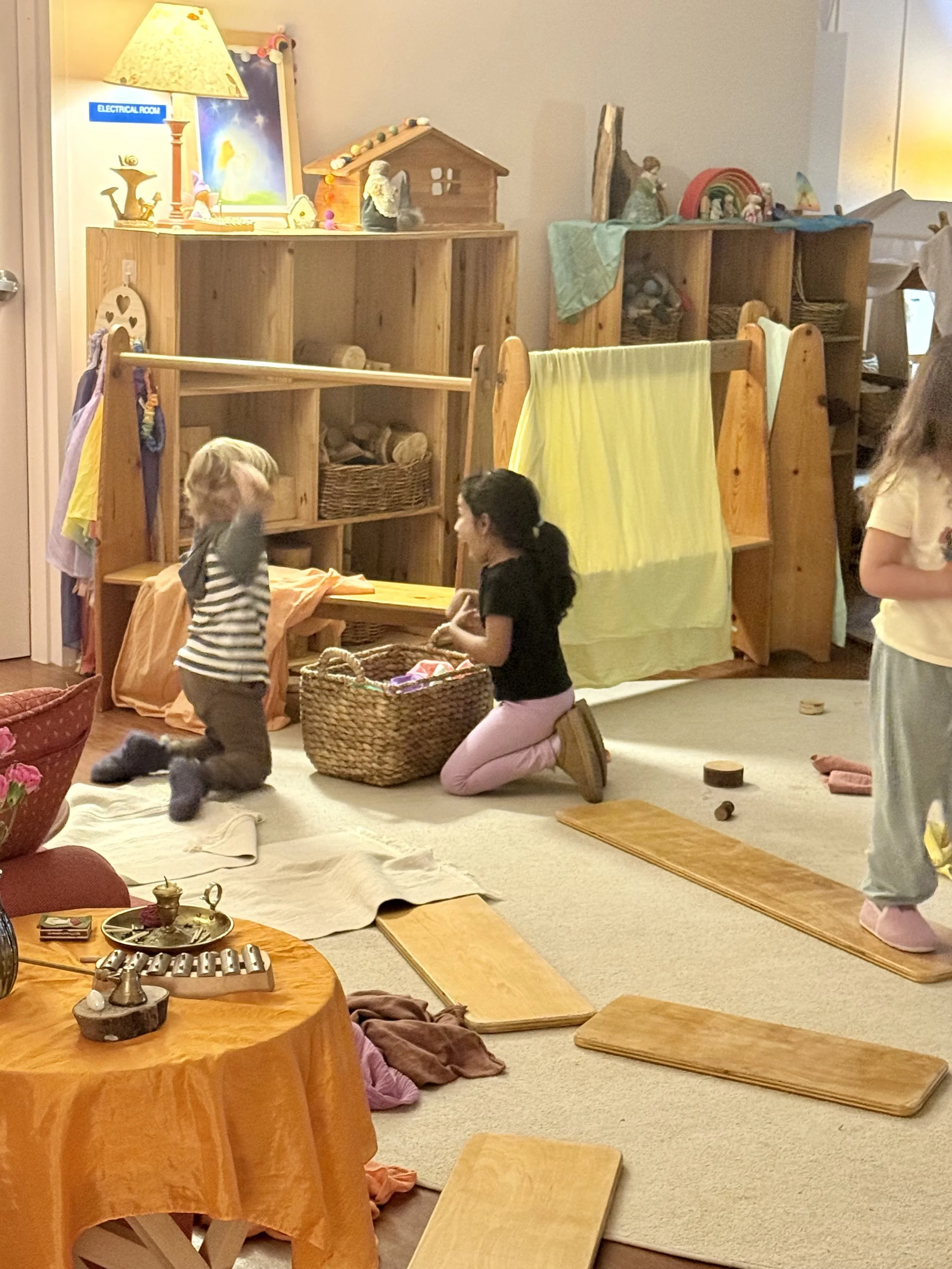
What Do Children Really Learn in a Waldorf Kindergarten? More Than You Might Think
What do children really learn in a play-based kindergarten? See how stories, songs, and play at The Waldorf School of DuPage build the foundation for a lifetime of learning.

RIGOR BY DESIGN: How a Waldorf Education Builds Deep, Lasting Thinking — A Look Through Bloom's Taxonomy
Storytelling, handwork, and art are easy to spot in a Waldorf classroom — but where's the rigor? Using Bloom's Taxonomy, the same framework schools worldwide use to measure depth of thinking, we walk through how Waldorf education moves students from simple recall all the way to original, independent creative work.

Meet Mrs. Bevard: Teaching Children to Long for the Sea
From teaching swimming lessons at sixteen to leading a Waldorf classroom today, Ms. Bevard has spent her life helping others discover something new. Get to know the teacher behind the philosophy — and the "endless immensity of the sea" she hopes to inspire in every child.

The Benefits of a Middle School Cohort
Middle school is about more than academics. Discover how a blended grade cohort model helps students develop confidence, leadership, meaningful relationships, and lifelong collaboration skills. Families exploring a private middle school near Warrenville, IL can learn why relationship-centered learning creates an environment where students feel supported, challenged, and prepared for the future.

Why Blended Grades Benefit Students in Grades 1–8
What if school helped students build confidence instead of simply keeping up? Learn how a blended grade cohort model supports academic growth, leadership, meaningful friendships, and social-emotional development. Families exploring a nurturing private school near Warrenville, IL can discover why this innovative approach helps students thrive during the important school years.

Rethinking Rigor, Part 2: How Waldorf Education Delivers Deep, Joyful Academic Rigor in Grade School
Families exploring private school education often ask: Is Waldorf rigorous? While it may look different from traditional models, Waldorf grade schools cultivate deep academic rigor through immersion, synthesis, disciplined thinking, and meaningful challenge. Here’s how rigor, joy, and beauty work together to build strong, capable learners.

Rethinking Rigor: A Different Story Than the One We’ve Been Told
When parents hear the word “rigor,” they often picture heavy textbooks and long homework hours. But true academic rigor isn’t defined by volume or speed. It’s rooted in how students think — how they analyze, question, revise, and apply what they learn. If we want children to develop lasting skills like critical thinking and creative problem-solving, we must rethink what rigor really means.

Why a Spiral Curriculum Matters for Your Child
Waldorf education uses a spiral curriculum, meaning children return to important ideas again and again as they grow; each time with deeper understanding. This developmentally informed approach supports confidence, curiosity, and lasting learning for children and families world-wide, including the Chicago suburbs.
Explore Posts by Topic
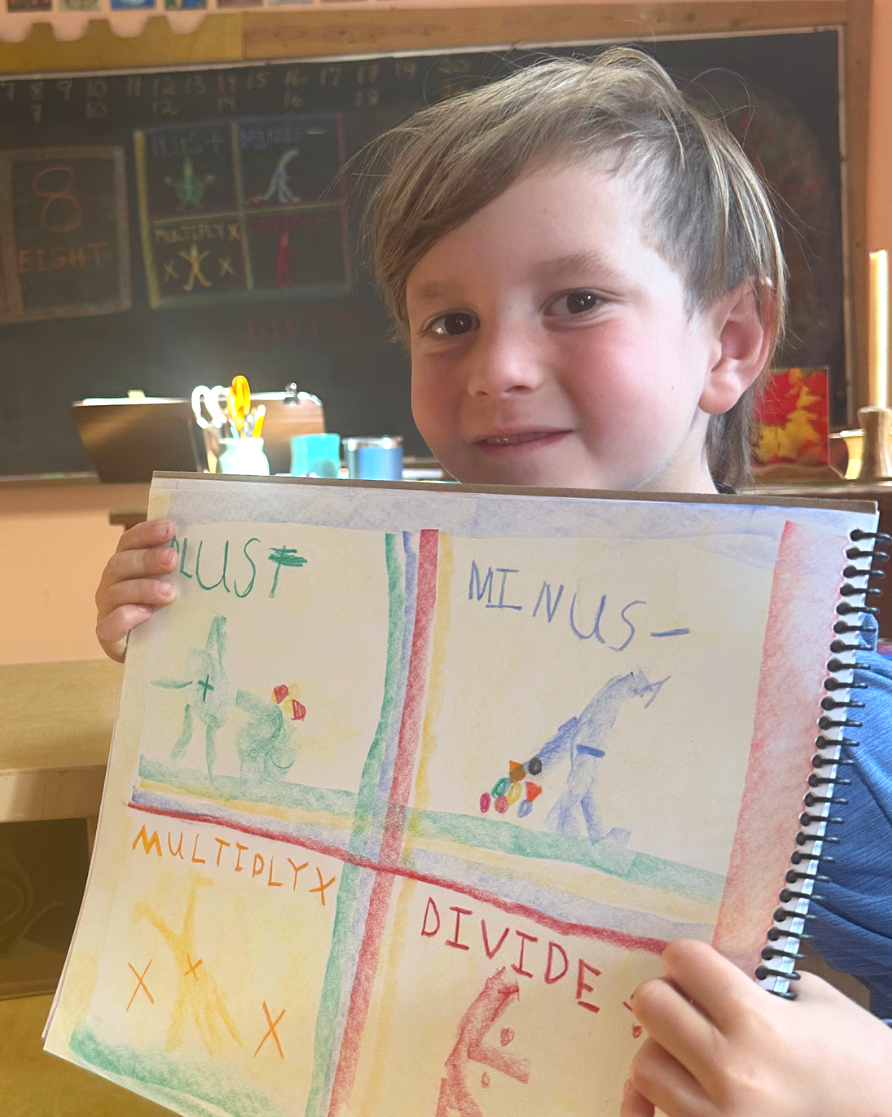
Waldorf Curriculum
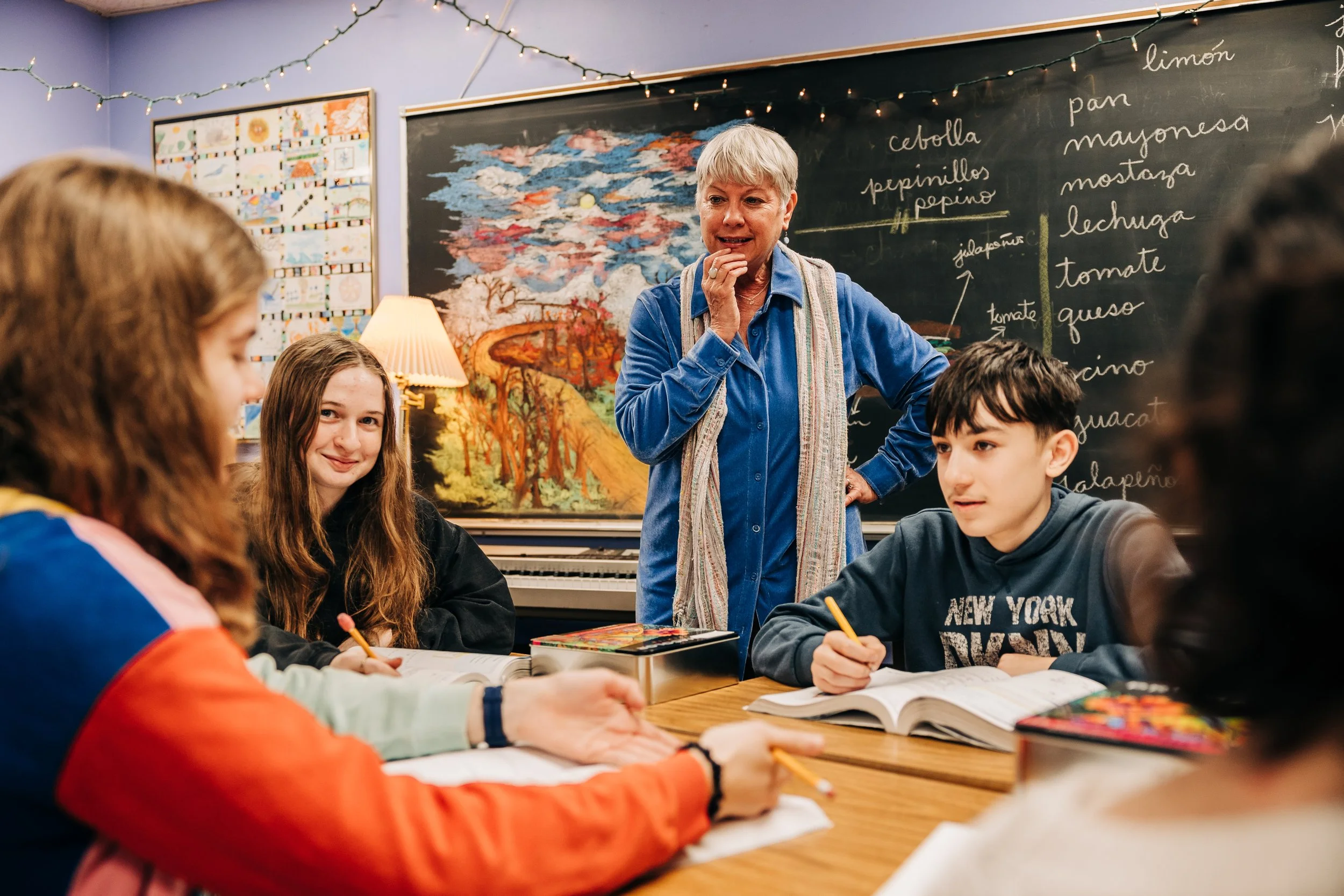
Waldorf Teachers

WSD Festivals
Early Childhood

Upper Grades
