
The Windrose Journal
A Waldorf Blog
The Windrose Journal is a grounded, thoughtful space where stories, reflections, and insights from the Waldorf School of DuPage community come together—past, present, and future. Like a compass rose, it helps orient families, educators, and alumni as we navigate the evolving world of Waldorf education and child development. Here, you’ll find a meaningful blend of tradition and innovation, sharing voices that illuminate the heart of our school. Whether you're seeking inspiration, perspective, or connection, The Windrose Journal offers guidance rooted in experience and purpose.
You can explore posts by topic or simply scroll down to see our most recent content. Happy reading!

What the Research Says About Play-Based Learning
Will a play-based preschool prepare your child? Decades of research say yes.
Children develop essential skills like focus, self-regulation, problem-solving, and creativity through meaningful play—skills that support long-term academic success. In this article, we explore what developmental science says about play-based learning and how The Waldorf School of DuPage helps children build a strong foundation for first grade and beyond.

Rethinking Rigor, Part 2: How Waldorf Education Delivers Deep, Joyful Academic Rigor in Grade School
Families exploring private school education often ask: Is Waldorf rigorous? While it may look different from traditional models, Waldorf grade schools cultivate deep academic rigor through immersion, synthesis, disciplined thinking, and meaningful challenge. Here’s how rigor, joy, and beauty work together to build strong, capable learners.

Rethinking Rigor: A Different Story Than the One We’ve Been Told
When parents hear the word “rigor,” they often picture heavy textbooks and long homework hours. But true academic rigor isn’t defined by volume or speed. It’s rooted in how students think — how they analyze, question, revise, and apply what they learn. If we want children to develop lasting skills like critical thinking and creative problem-solving, we must rethink what rigor really means.

Why a Spiral Curriculum Matters for Your Child
Waldorf education uses a spiral curriculum, meaning children return to important ideas again and again as they grow; each time with deeper understanding. This developmentally informed approach supports confidence, curiosity, and lasting learning for children and families world-wide, including the Chicago suburbs.

Developmentally Appropriate Education Matters
Understanding what developmentally appropriate education looks like in the elementary years can make all the difference when choosing an educational path for your child. This post explores how honoring children’s natural growth in grades 1-5 supports academic success, emotional well-being, and a lifelong love of learning.

Developmentally Appropriate Education Supports Students Through Middle School (Grades 6–8)
Middle school is a time of rapid growth: academically, emotionally, and physically. For families in the Chicago suburbs, choosing the right educational environment for Grades 6–8 can shape a child’s confidence, curiosity, and readiness for high school. This post explores how developmentally appropriate education meets the unique needs of early adolescents and helps students thrive through the middle school years.

Why How Children Learn Matters More Than Ever
In a digital-first world, research shows that how children learn matters more than ever. Discover why handwriting, cursive, and a low-screen Waldorf education support deeper thinking, stronger literacy, and long-term academic success.

Main Lesson Books: Where Beauty Meets Deep Learning in Waldorf Education
Main Lesson Books serve as a dynamic record of each child’s academic journey. Rather than assessing learning solely through tests or quizzes, teachers can see how students internalize concepts through the work they produce. Every page offers insight into a child’s comprehension, reasoning, and ability to apply knowledge creatively.

The Waldorf Approach to Homework: Creating Space for Balance and Connection
Our approach to homework is grounded in a deep respect for the meaningful, rigorous work students engage in throughout the school day. Waldorf classrooms are alive with focused academic learning, artistic expression, and hands-on discovery. Students work hard with deep thinking, solving problems, creating, and collaborating. Because the school day is so rich and intentional, we believe that evenings should offer a different kind of nourishment: time for rest, unstructured play, and meaningful connection at home.

How Revisiting Ideas Over Time Helps Kids Learn Better
Discover how Waldorf education uses layered learning to boost your child’s memory, focus, and love of learning—at every developmental stage.
Explore Posts by Topic
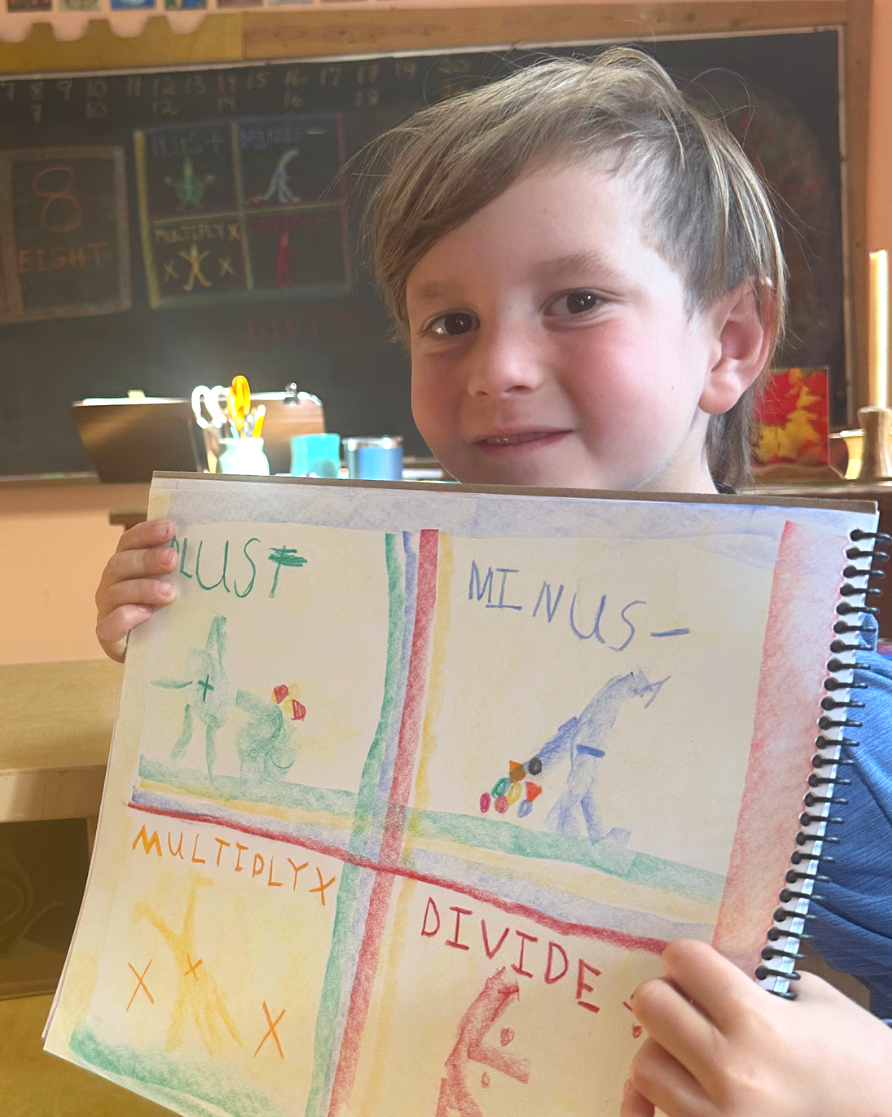
Waldorf Curriculum
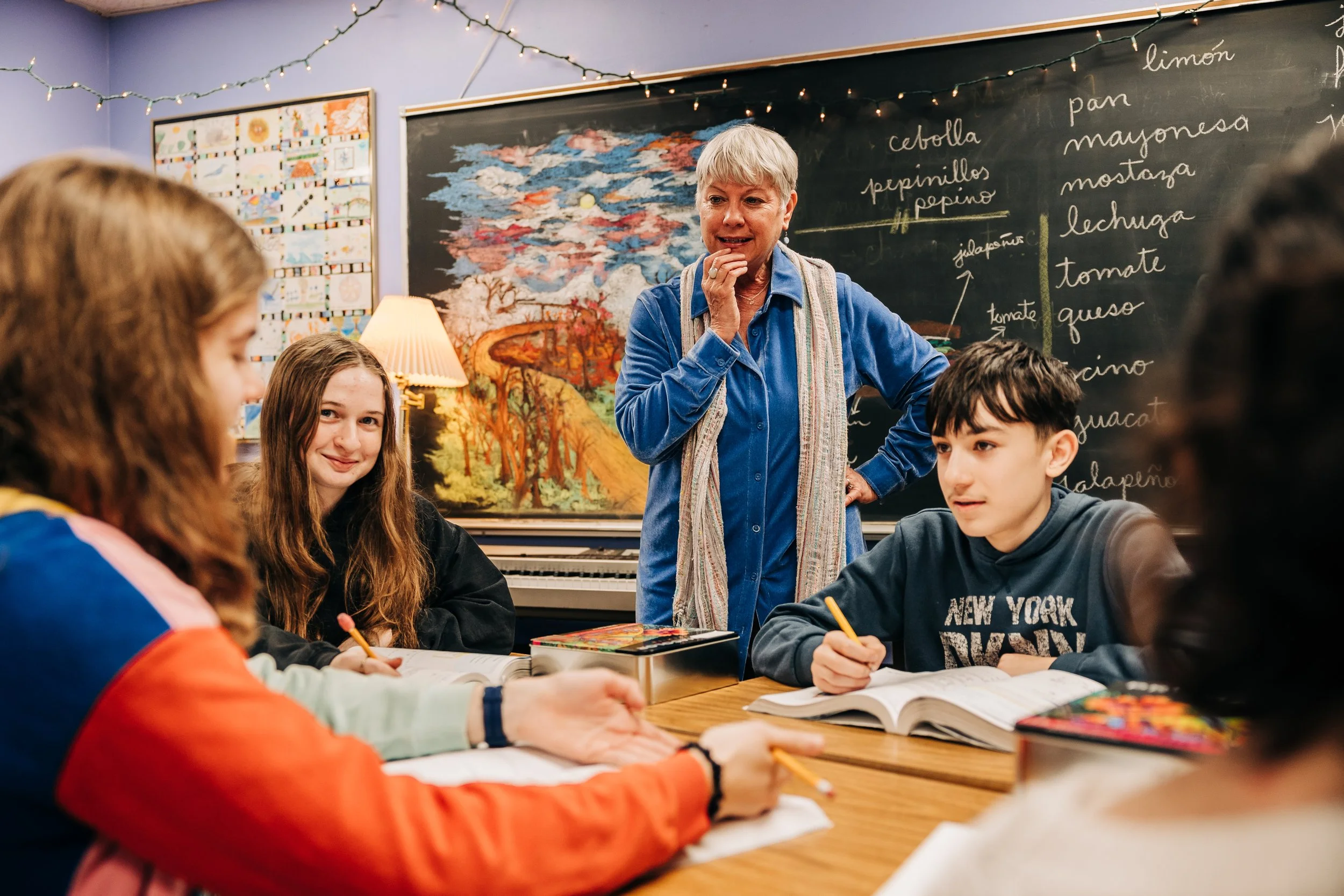
Waldorf Teachers

WSD Festivals
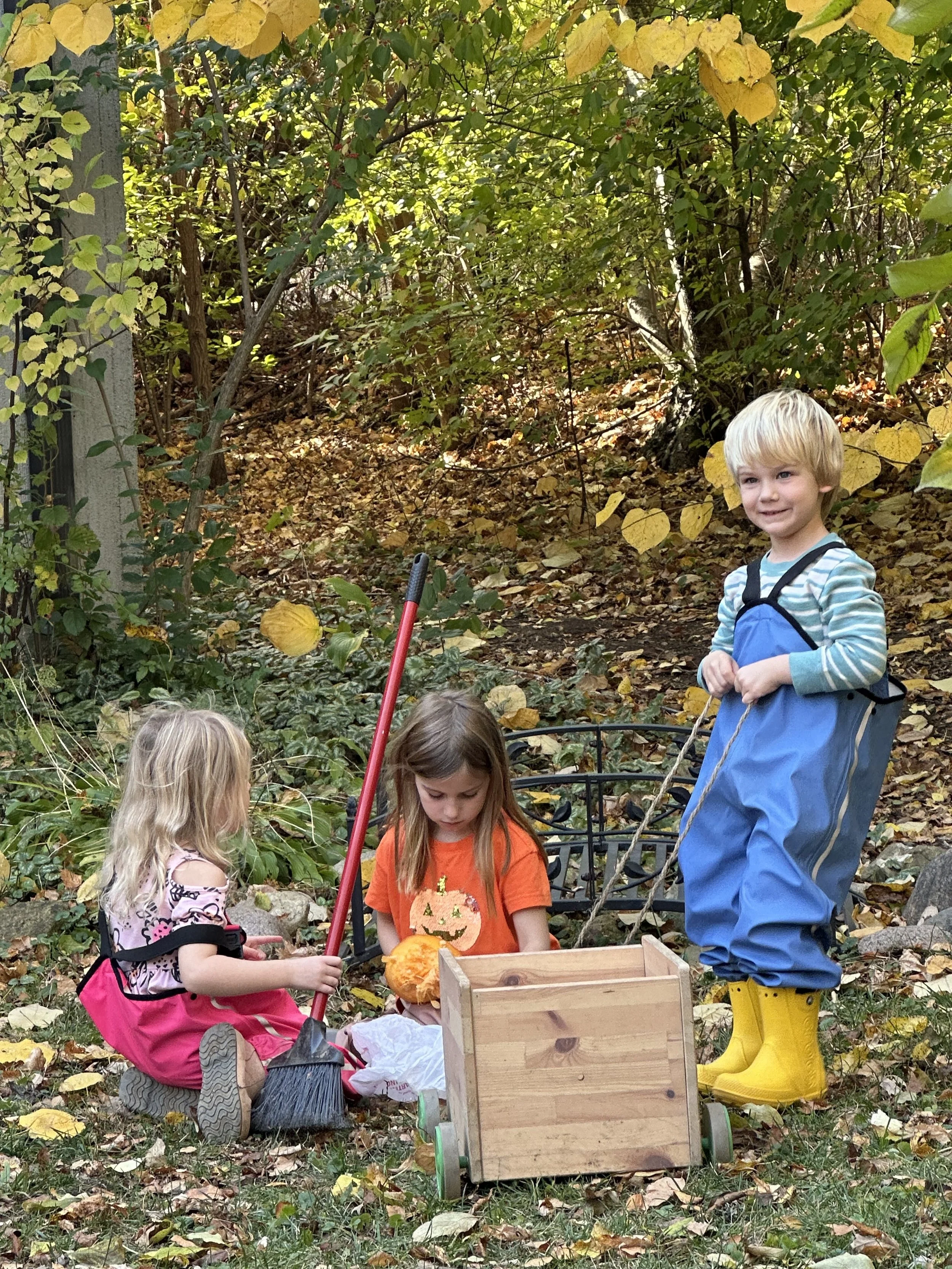
Early Childhood

Upper Grades
