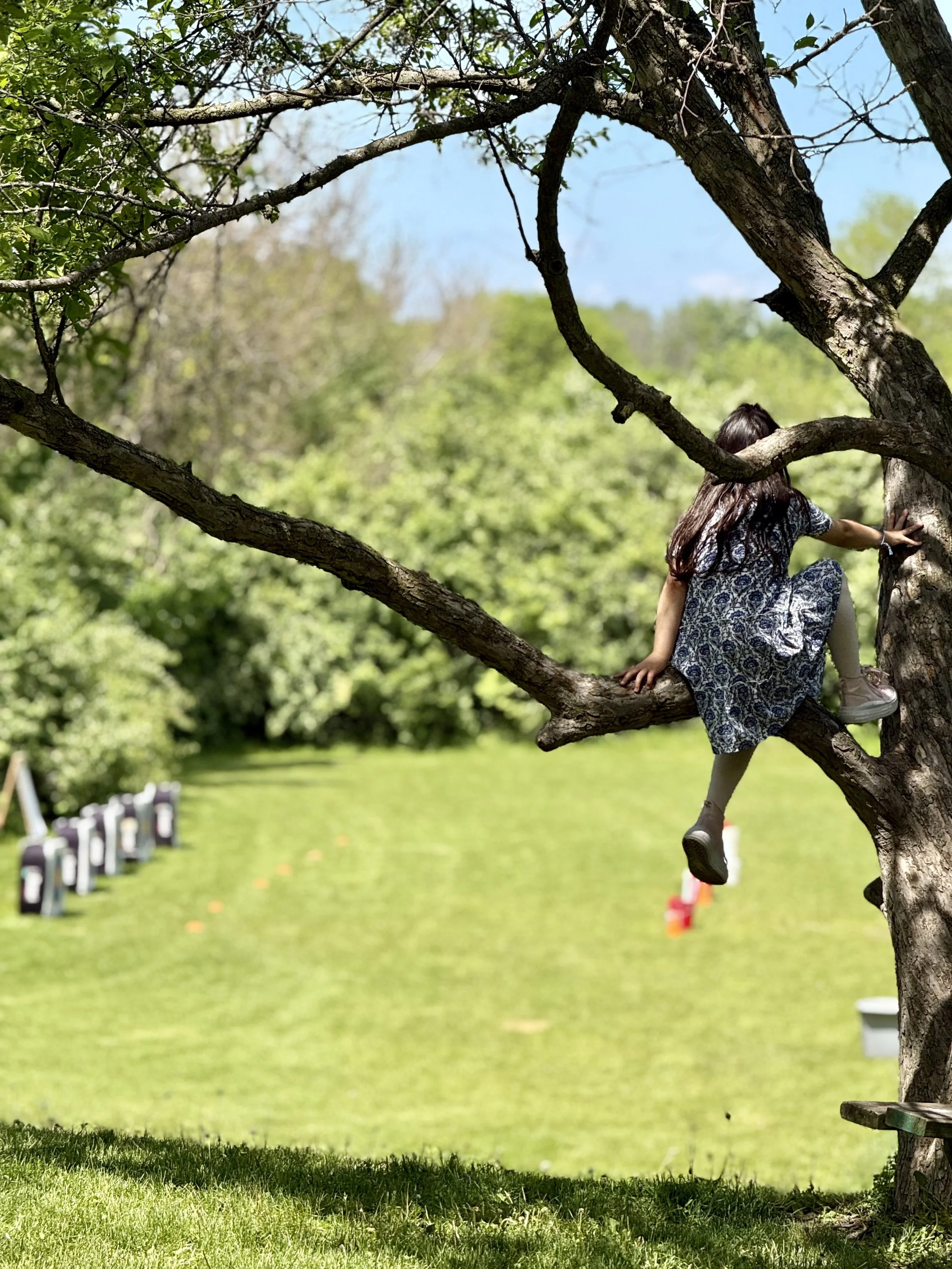
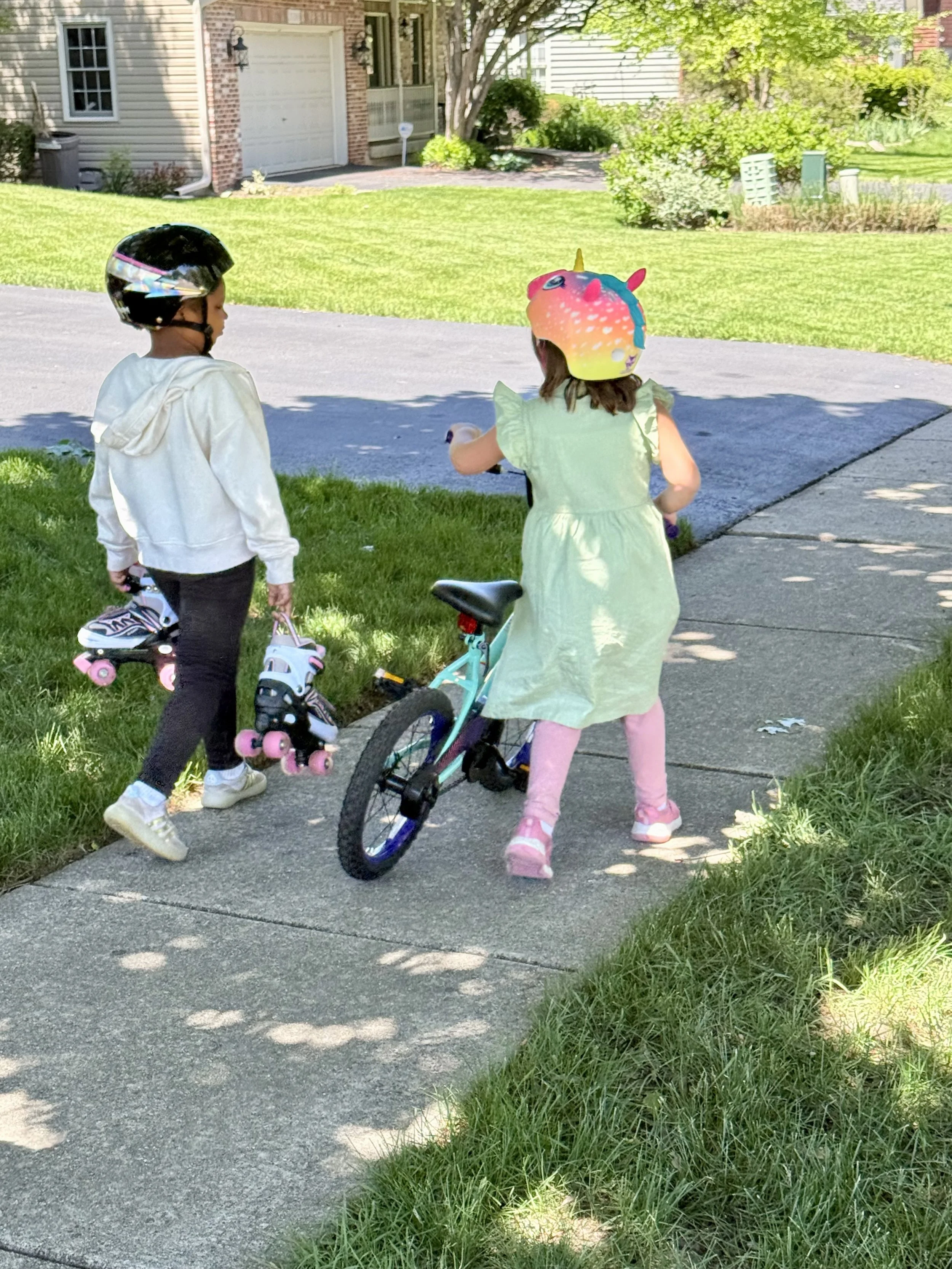
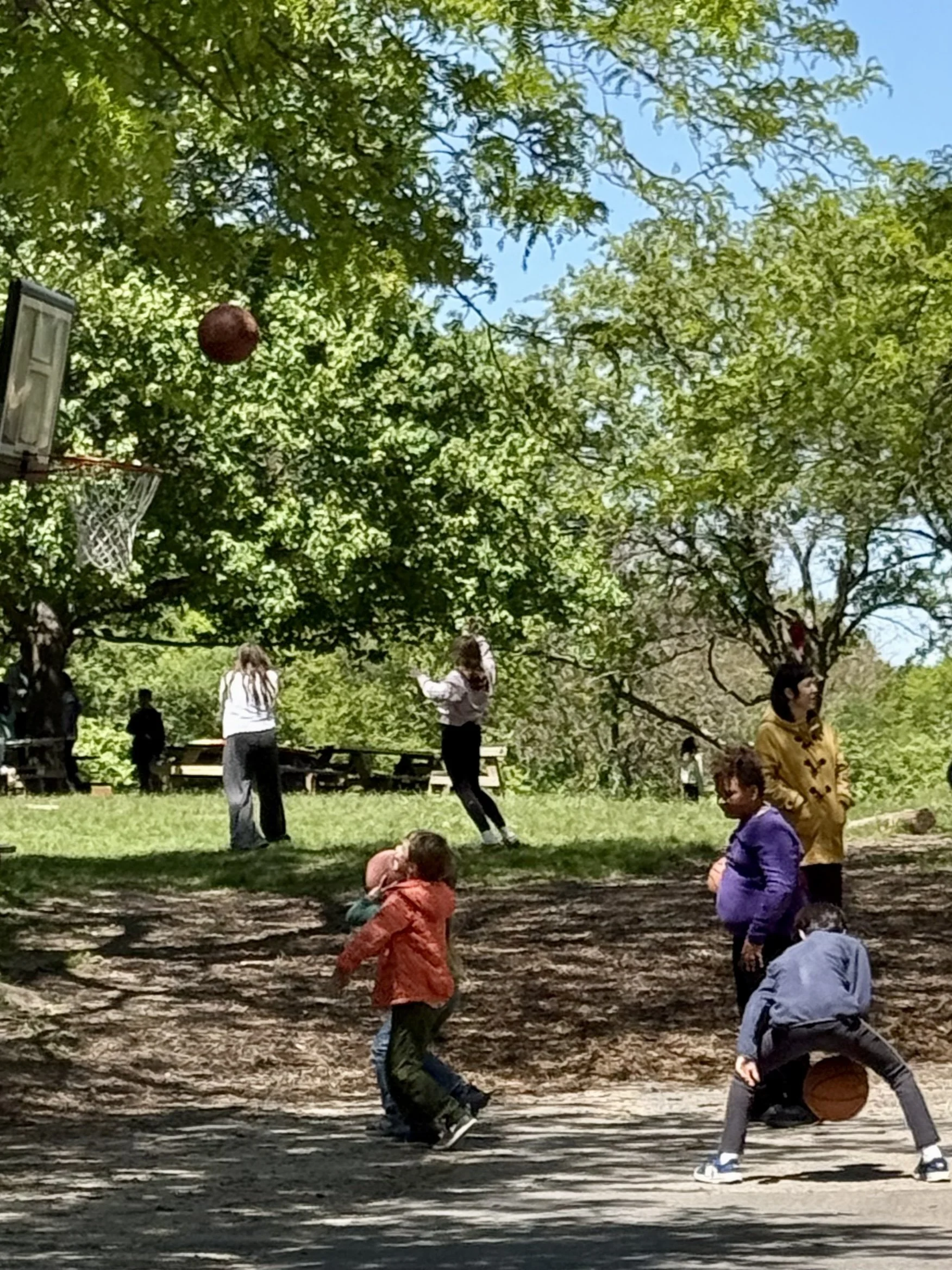
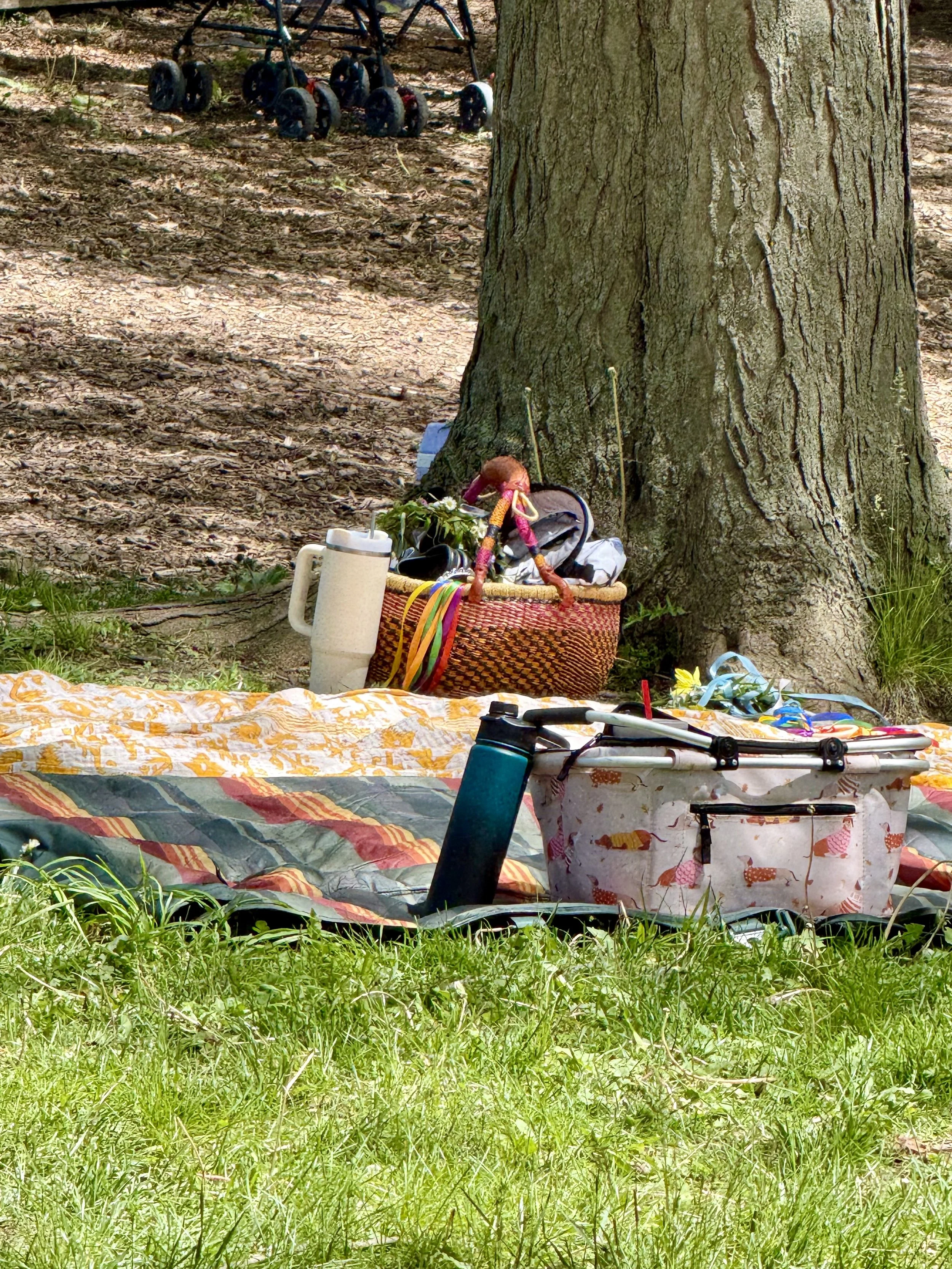
There’s a reason so many of us feel emotional watching children ride bikes at dusk or hearing the distant sound of an ice cream truck on a summer evening. A child running through a sprinkler, neighbors gathering outside after dinner, flashlight games after dark. It isn’t just nostalgia for the 1990s. It’s recognition of a kind of childhood that felt spacious.
Many parents today are not trying to recreate the past exactly. We understand that the world has changed. Technology has brought enormous benefits, modern families carry very real demands, and childhood itself looks different than it once did. But underneath all of that, many of us are asking the same question:
How do we preserve the parts of childhood that still matter most?
Because while the world has changed, children have not changed nearly as much as we think. Children still need long stretches of play that are uninterrupted by constant input. They still need room for imagination, movement, boredom, wonder, and connection. They still thrive when home feels calm enough for life to unfold slowly once in a while. Many of the things adults remember most fondly about childhood were surprisingly ordinary. Not elaborate vacations or perfectly planned activities (although those were and are fun!), but repeated rhythms and small rituals. Pancakes on Saturday mornings. Library trips. Watermelon on the porch. Riding bikes until the streetlights came on. Card games during thunderstorms. Reading before bed with the windows open on a warm night.
Those moments mattered because they created atmosphere and atmosphere shapes childhood in powerful ways.
Today’s families are navigating an extraordinary amount of stimulation. Notifications follow us everywhere. Entertainment is endless. Schedules fill quickly. Even adults often feel as though their attention is constantly fragmented. Children absorb that pace too. That’s why slower moments are so significant. They are balancing.
A child lying in the grass watching clouds or spending an hour building a fort may appear idle from the outside, but something important is happening internally. Imagination expands. The nervous system settles. Creativity begins to emerge naturally once there is enough space for it. Summer, especially, offers an opportunity to remember that childhood does not need to be optimized every moment of the day.
Sometimes the richest days are the ones that feel almost uneventful: a popsicle dripping down sticky fingers, a sprinkler running in the backyard, a blanket fort in the living room, a late evening walk after dinner. These experiences may seem small to adults, perhaps even mundane, but to children they become the texture of home and the emotional backdrop of growing up.
The goal is not to recreate another era. It is not to reject modern life or pretend we can completely step away from technology. The goal is simply to create homes where children still have room to experience the deeply human parts of childhood: wonder, freedom, connection, and the feeling that summer is slow enough to remember.
Some childhood experiences never go out of style.